

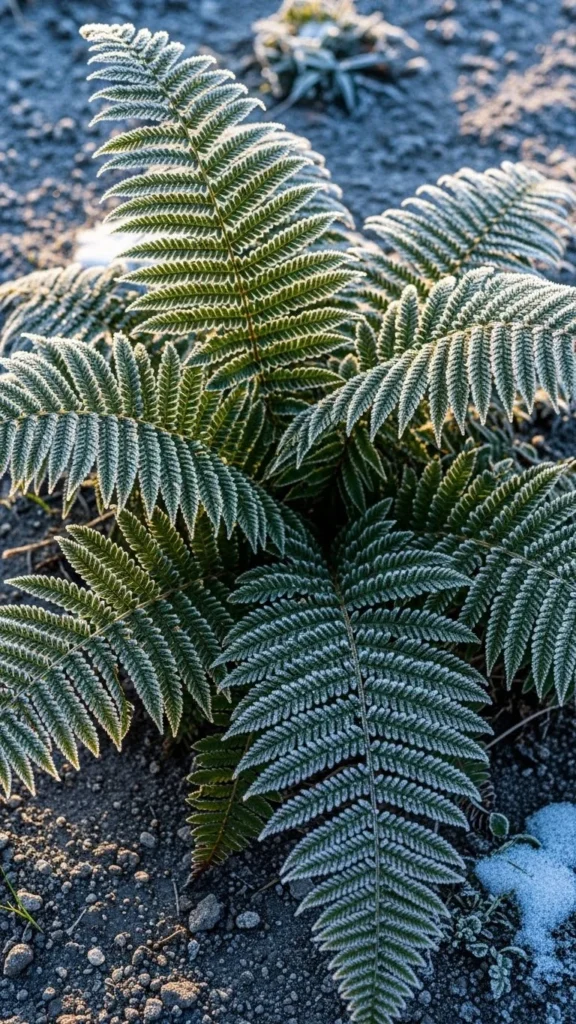
Winter gardens can feel flat fast, but ferns quietly change that. Their soft structure, cool shades, and arching fronds hold shape through cold months. They slip into shady corners, brighten bare beds, and add calm movement to winter spaces. This guide shares cold-tolerant varieties that work for small yards, porch pots, woodland paths, and low-maintenance beds—plus simple ideas for keeping each one thriving on a budget.
1. Christmas Fern
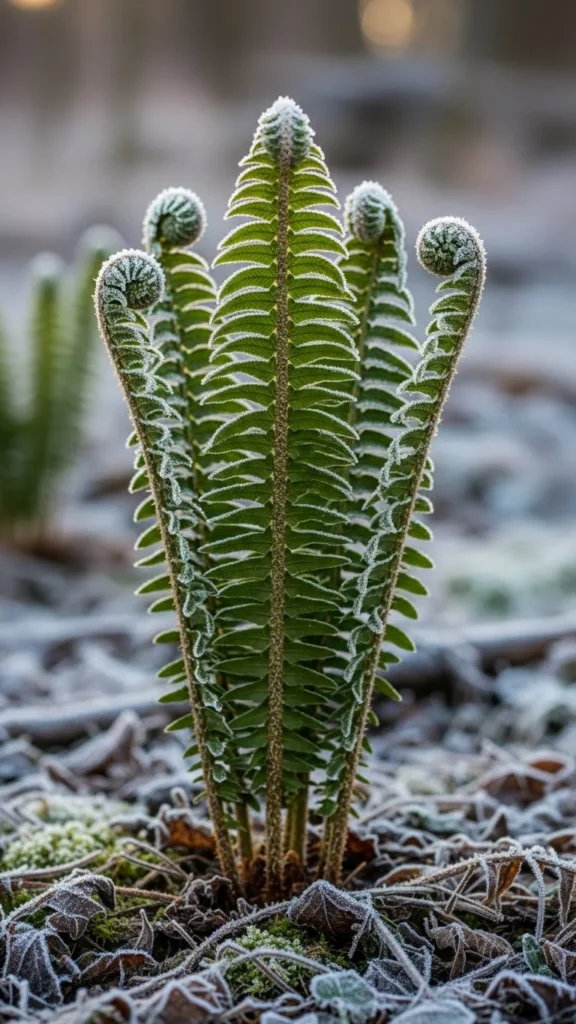
Christmas Fern is popular because it keeps its fronds through cold months. The arching shape brings life into empty beds and borders when other plants fade. It spreads slowly, so you can tuck small affordable plugs along pathways or at the base of trees. Keep soil lightly moist and add leaf mulch from your yard for simple winter protection. If you want a budget project, divide one mature plant every few years and replant the divisions around shady corners.
2. Lady Fern
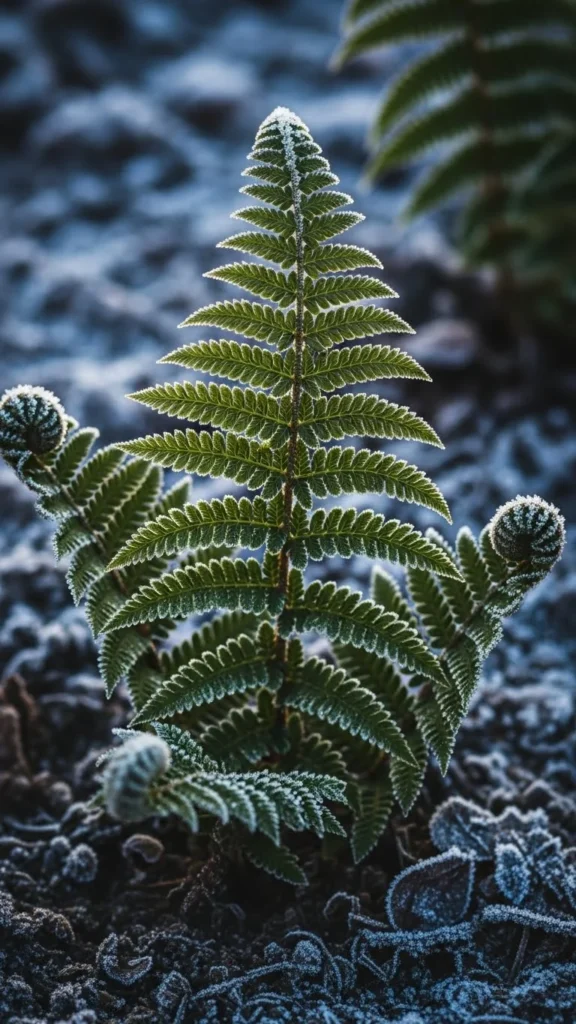
Lady Fern offers a light, airy look that softens hard edges. It adapts well to shade gardens where other plants struggle. For a cheap start, buy smaller pots instead of large ones—they grow steadily once settled. Add a thin layer of shredded leaves to help them handle temperature dips. If you want a DIY idea, plant them near rocks or stepping stones for gentle contrast without spending extra on decor pieces.
3. Hart’s Tongue Fern
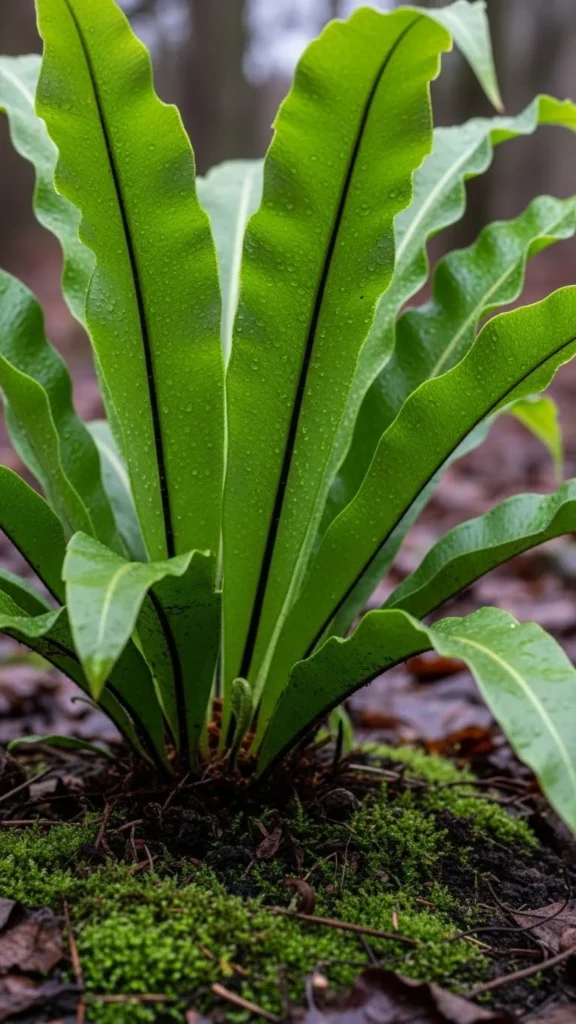
Hart’s Tongue Fern has smooth, glossy fronds that look like ribbons. It stays upright through winter, which keeps garden beds from appearing empty. It prefers rich soil, but you can improve poor soil yourself by mixing compost with fallen leaves. This fern shines in shady rock gardens. Try placing thrifted stoneware pots nearby for a charming winter corner without overspending.
4. Deer Fern
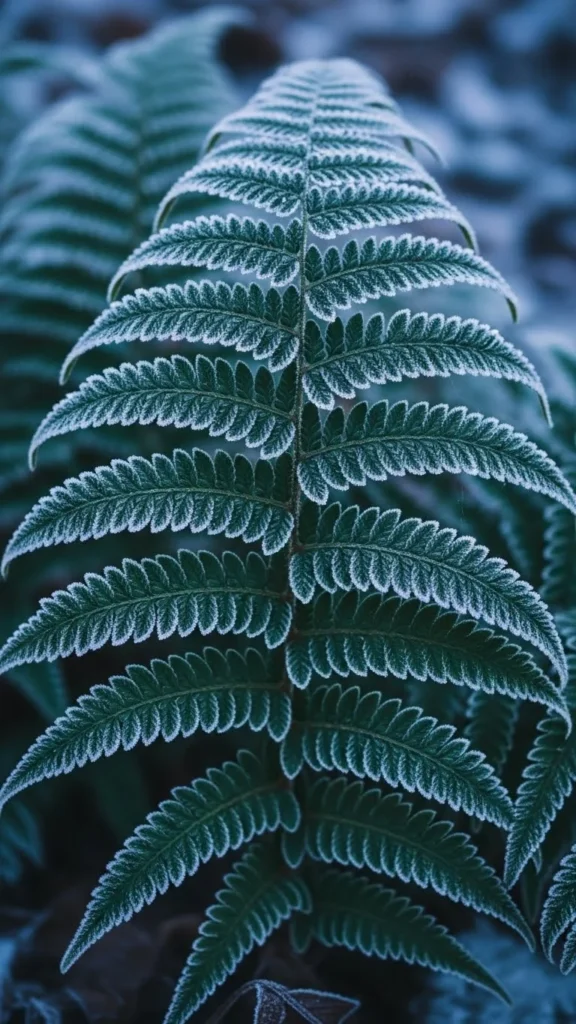
Deer Fern adds structure with its neat rosette shape. The fresh green color remains visible all winter, which helps fill gaps near evergreen shrubs. It handles damp soil well, so if you have a shady spot that stays moist, this is a perfect pick. Use homemade mulch to keep roots warm. For an easy DIY touch, plant two or three together for a natural woodland look.
5. Japanese Holly Fern
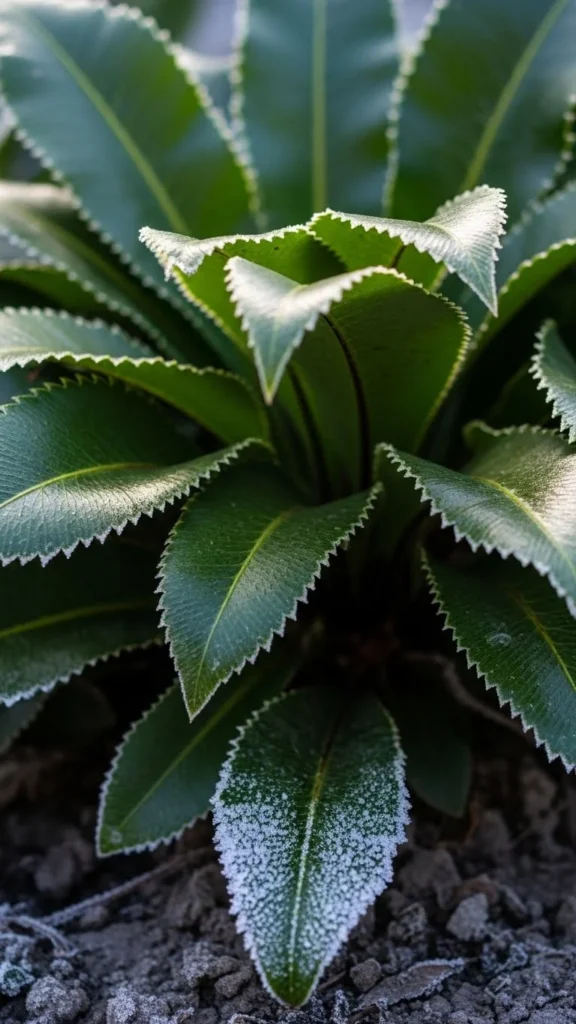
Japanese Holly Fern delivers bold texture thanks to its shiny, holly-like leaflets. It stands out in winter containers and shady borders. Save money by reusing old ceramic pots; this fern looks great with deep green or charcoal tones. Keep soil lightly damp, and add compost from your yard before winter for extra strength. Group several near shaded entryways for a polished, welcoming look.
6. Ostrich Fern
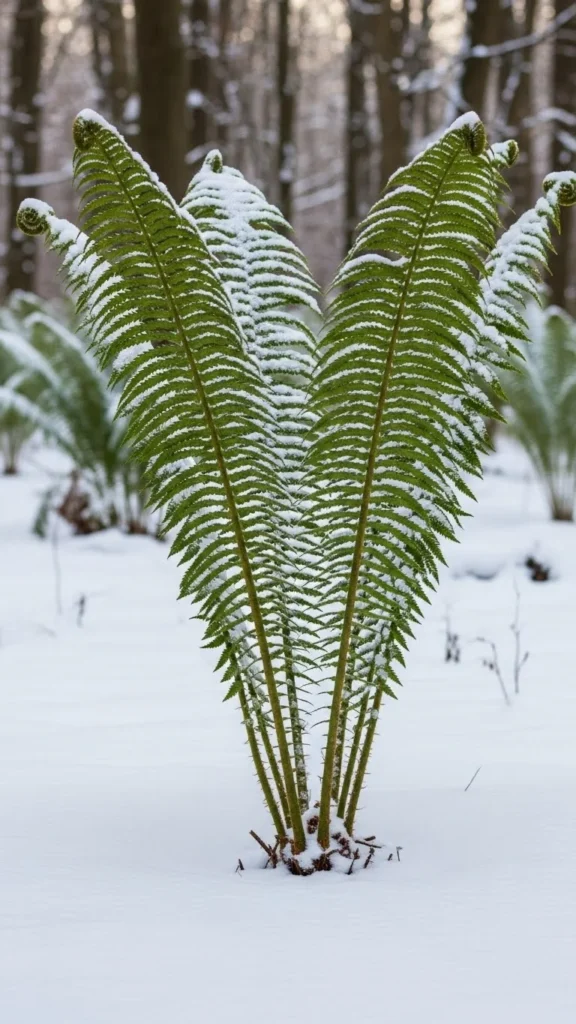
Ostrich Fern grows tall and creates a dramatic winter presence. Even when fronds fade, the sturdy crown adds shape to the garden. It spreads, so you can create large patches at no extra cost by dividing mature plants in early spring. Use it along fences or shady property lines to build a lush backdrop. Add chopped leaves to the soil for simple winter enrichment.
7. Shield Fern
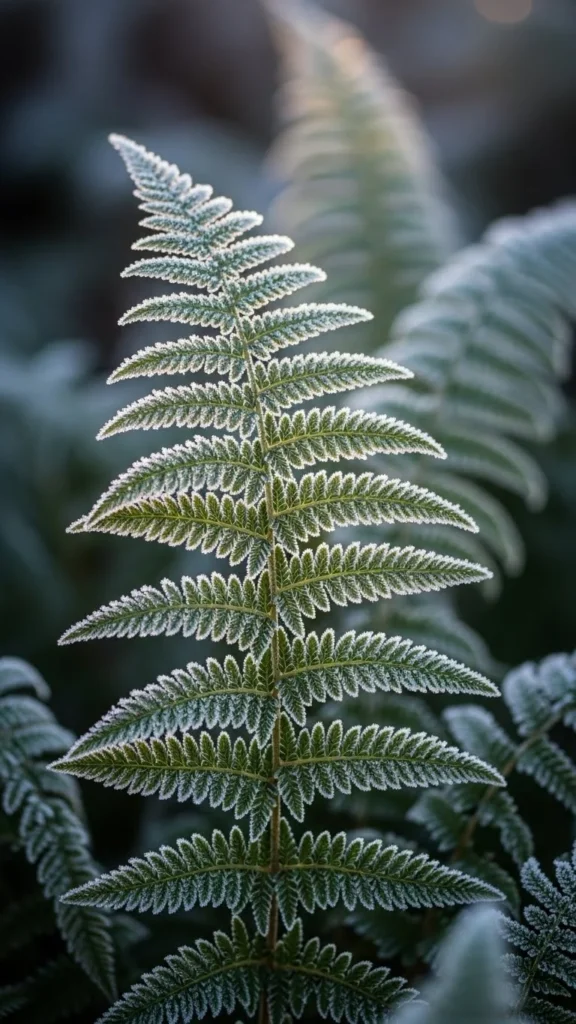
Shield Fern keeps its color through winter and handles cold shade well. It’s great for homeowners wanting an easy-care plant that still looks full in December. For a budget-friendly start, buy smaller bare-root pieces. Add leaf mulch from your yard to support the root system. Plant near dark stone pavers for a simple contrast that looks styled without extra effort.
8. Autumn Fern
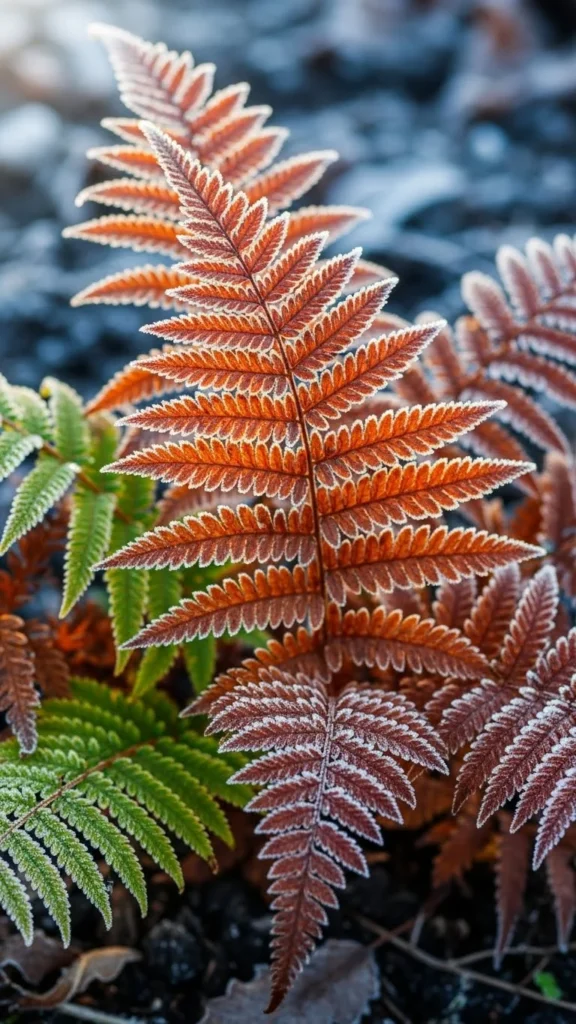
Autumn Fern offers warm-toned new fronds that stand out even when the weather cools. It slowly forms a tidy mound that stays visible through winter. If you want an affordable impact, plant three in a triangle shape for a fuller look. Use compost made from kitchen scraps and yard debris to improve soil. These ferns also brighten shaded patio containers without needing fancy pots.
9. Asparagus Fern (Cold-Hardy Varieties)
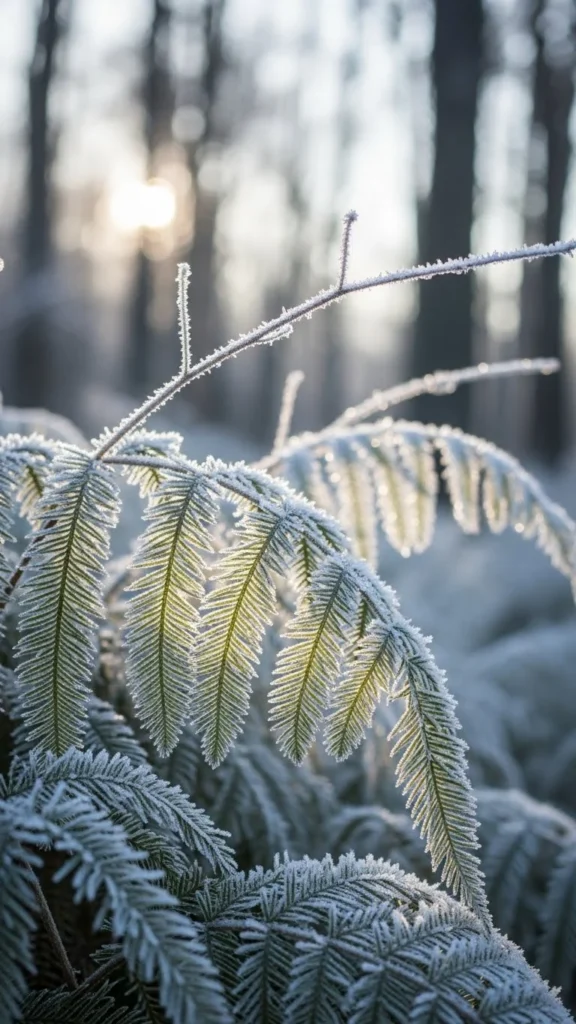
Some Asparagus Fern types can survive mild winter areas. Their airy texture brings softness to corners that feel too still in colder seasons. Keep them in sheltered spots, or place them in containers you can slide under cover during deep cold. For an easy low-cost project, repurpose old metal buckets as planters. Add a layer of straw from garden centers for simple insulation.
10. Male Fern
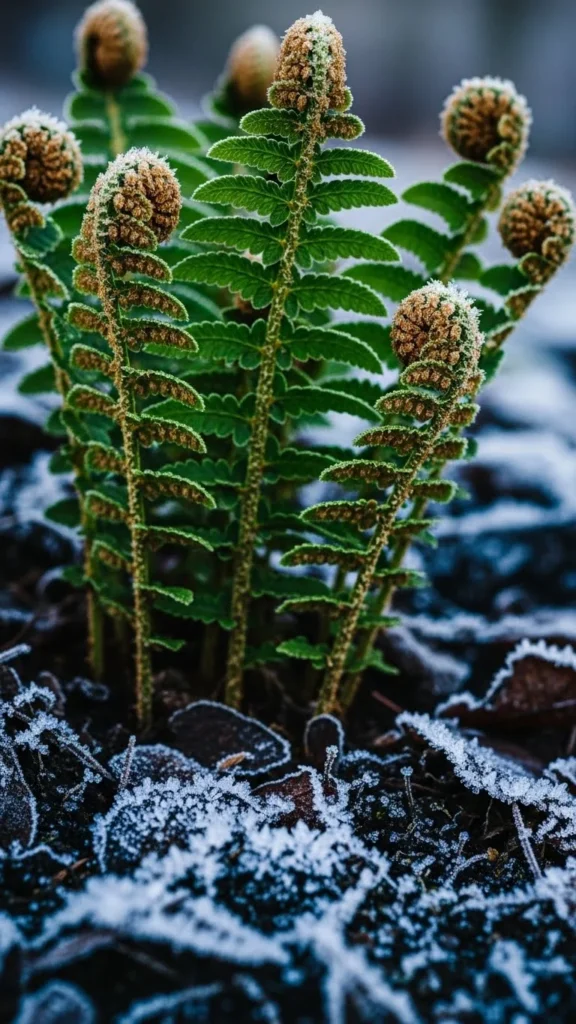
Male Fern adds sturdy texture and stands tall even in winter. It’s perfect for filling shady gaps along fences or sheds. Buy smaller nursery pots to save money—they grow well once planted. Keep soil damp but not waterlogged. Spread fallen leaves as organic mulch to help the plant settle during colder months. The wide fronds give beds a calm, structured look all winter.
11. Giant Chain Fern
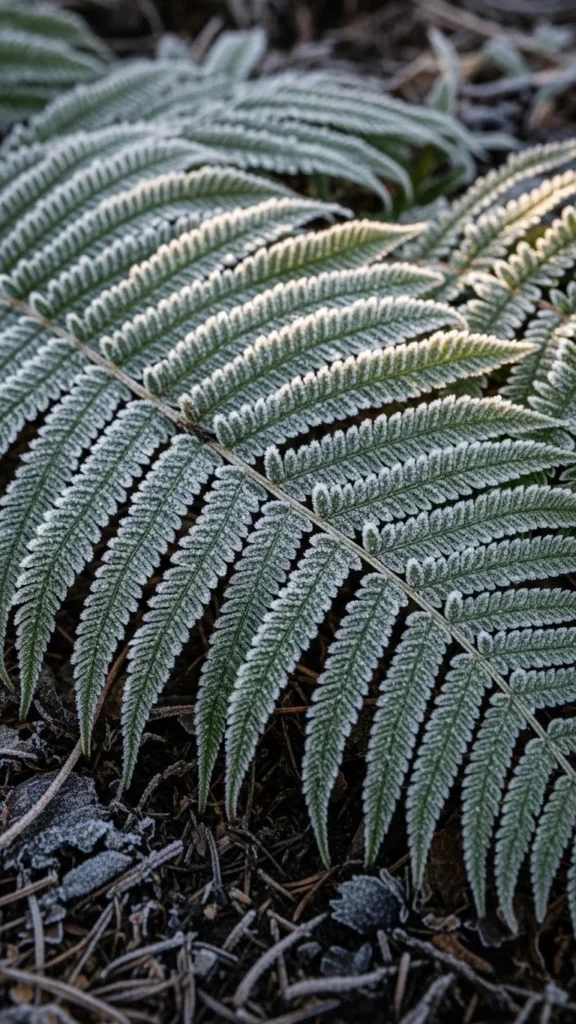
Giant Chain Fern creates a bold statement with long fronds that hold shape through cool months. It’s ideal for large gardens or wooded edges. To save money, start with younger plants—they grow steadily with moisture and shade. Add homemade compost to give them a strong base. Place them behind smaller ferns for a tiered look that feels balanced without extra decor.
12. Bracken Fern (Cold-Region Strains)
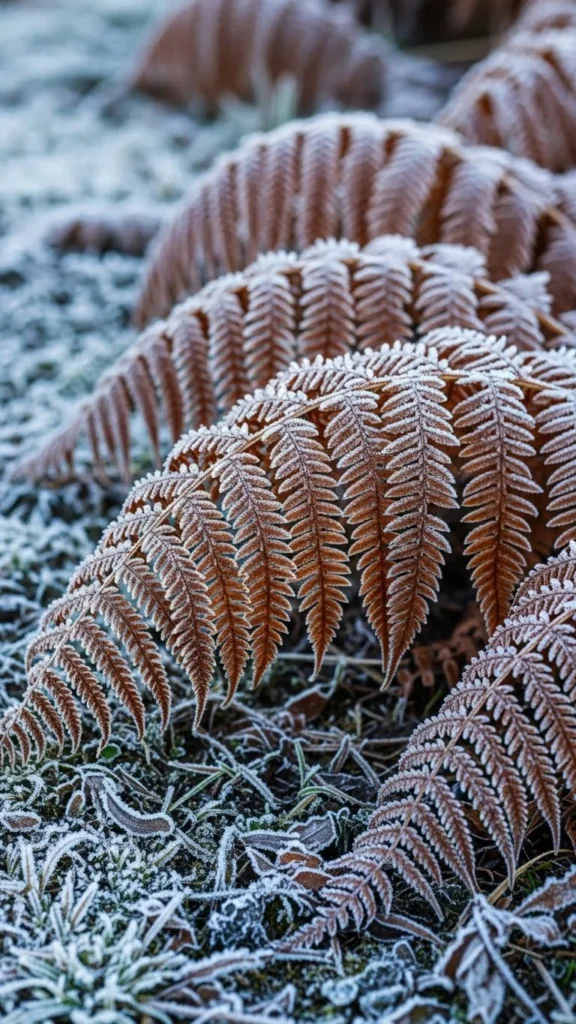
While many Bracken types die back, cold-region strains keep structure longer. Their tall fronds add soft movement to breezy winter spaces. Great for natural-style gardens. Plant them in groups for a full patch without buying many extras. Use fallen leaves as insulation and moisture control. These ferns thrive in open woodland edges where light and shade shift throughout the day.
13. Cinnamon Fern
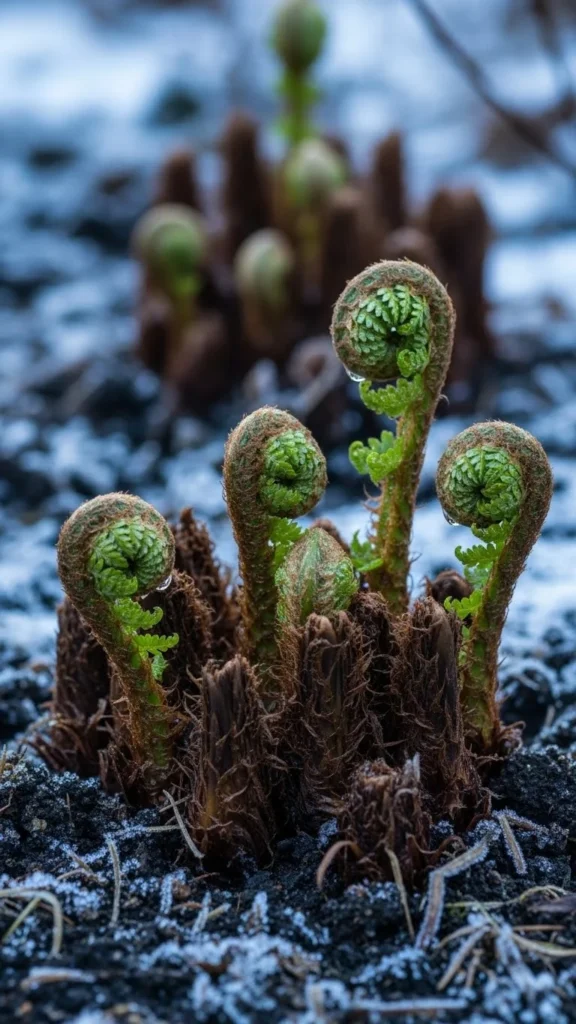
Cinnamon Fern grows large, graceful fronds that fill shady winter corners. The crowns stay visible even when temperatures dip, giving the garden a bit of structure. Keep soil damp and add your own mulch mix from yard trimmings. For a simple DIY idea, plant them along a curved path to create gentle movement as you walk by. They pair nicely with mossy stones.
14. Sensitive Fern
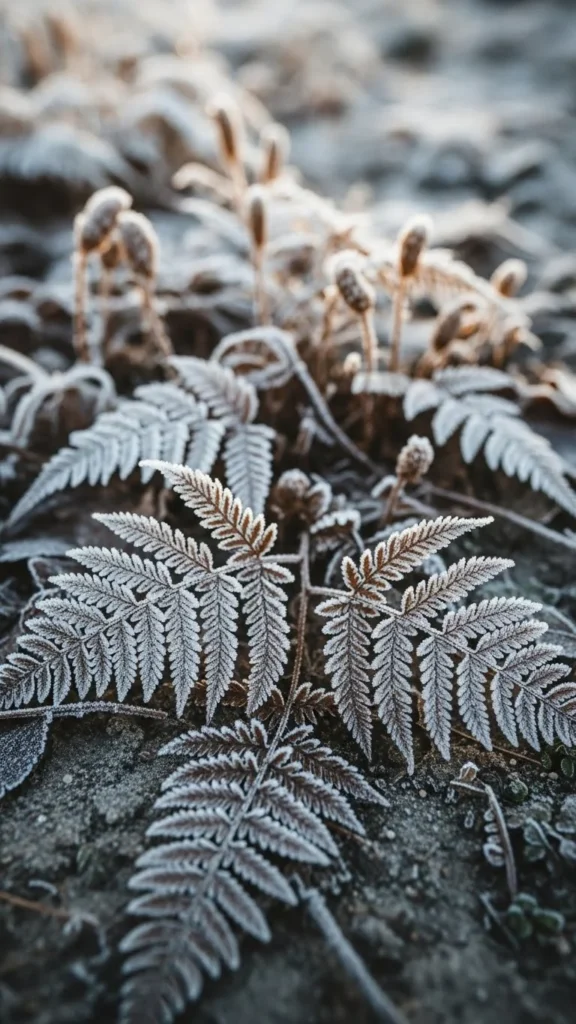
Sensitive Fern has wide, smooth leaflets that stand out against winter soil. Even as fronds fade, the plant shape adds interest. It spreads on its own, which helps fill bare areas without buying more plants. Keep soil lightly moist and cover with a thin leaf layer in colder climates. Plant them near benches or walkways for a soft, calm look.
15. Royal Fern
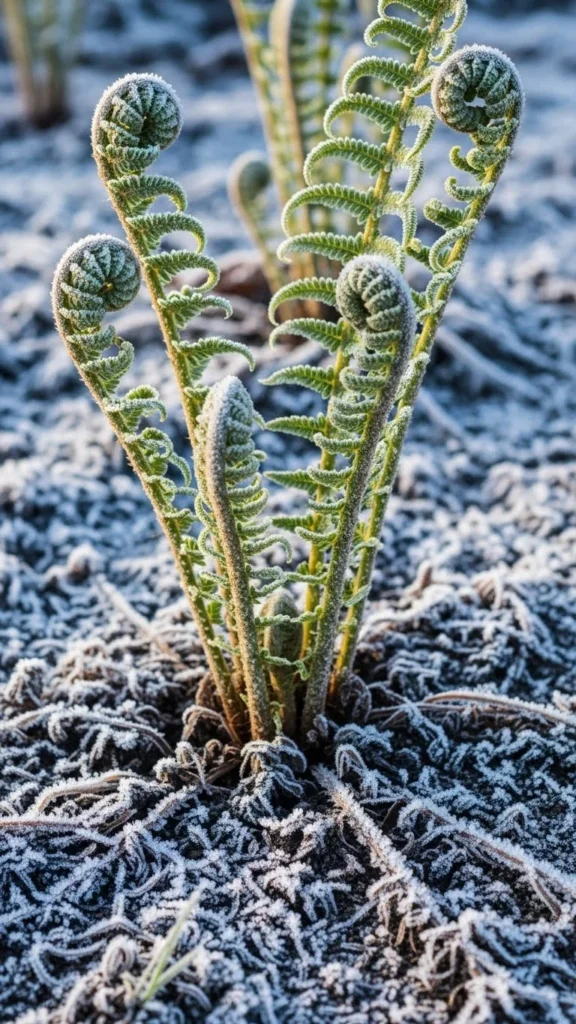
Royal Fern grows tall and airy, adding height to winter beds without feeling heavy. It loves moisture, so place it near downspout areas or naturally damp ground. To save money, plant small young starts—they catch up quickly. Add shredded leaves for winter care. Its open fronds pair well with stone features or rustic garden edges.
16. Interrupted Fern
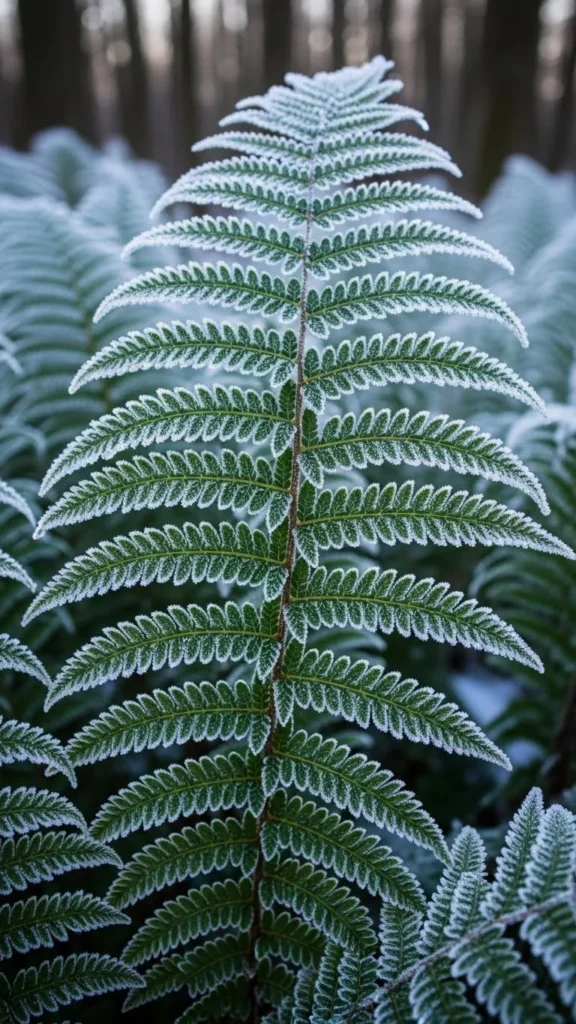
Interrupted Fern has a unique shape with fronds that appear “paused” in the middle. It stands tough through cold months and brings variety to shady gardens. Improve soil with your own compost mix instead of buying expensive bags. Plant along woodland borders for an effortless textured look. Water regularly during early growth, then let winter moisture keep it happy.
17. Evergreen Wood Fern
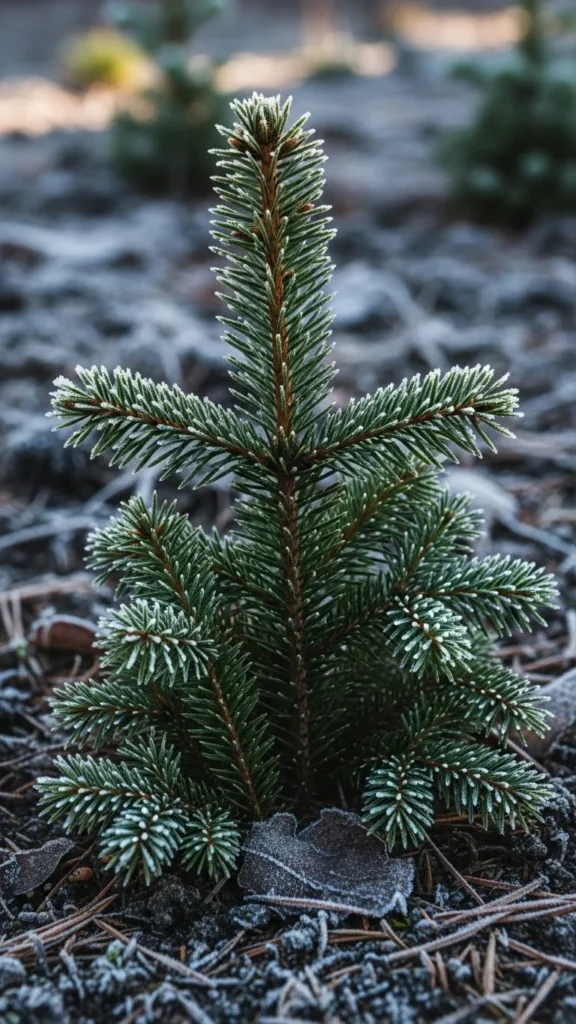
Evergreen Wood Fern holds its color and shape when temperatures dip. It’s an easy choice for winter landscaping. Spread homemade mulch around the base for warmth. Buy smaller pots to keep costs low—they expand nicely over time. Try grouping them beneath taller shrubs to add layers of texture without spending much on extra plants.
18. Western Sword Fern
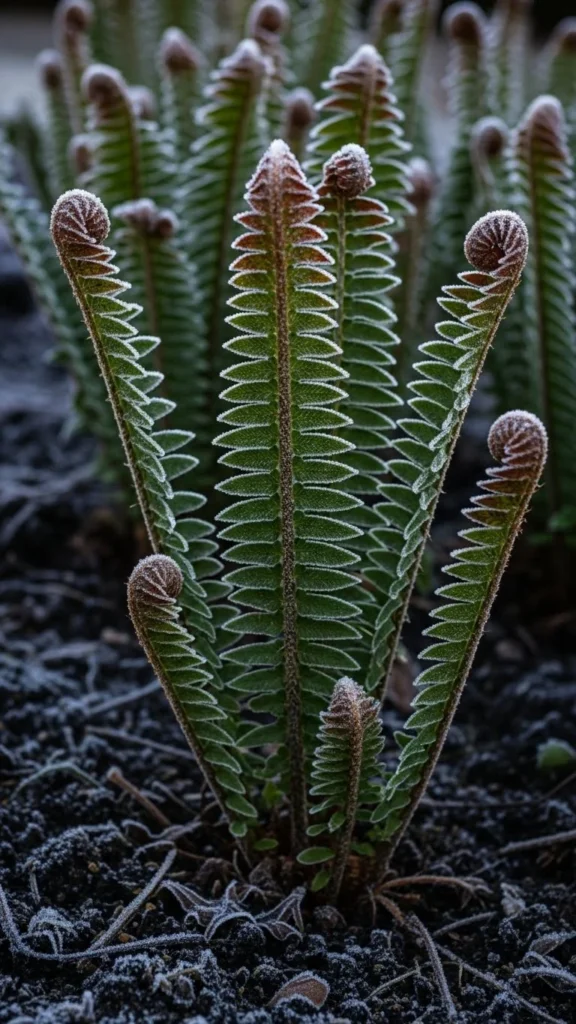
Western Sword Fern is tough and stays attractive all winter. The upright fronds add clean structure to pathways, patios, and entry borders. It handles shade easily and spreads slowly. Use free leaf mulch from your yard to help lock in winter moisture. Try planting it alongside mossy logs or stones for a natural woodland feel.
19. Alpine Wood Fern
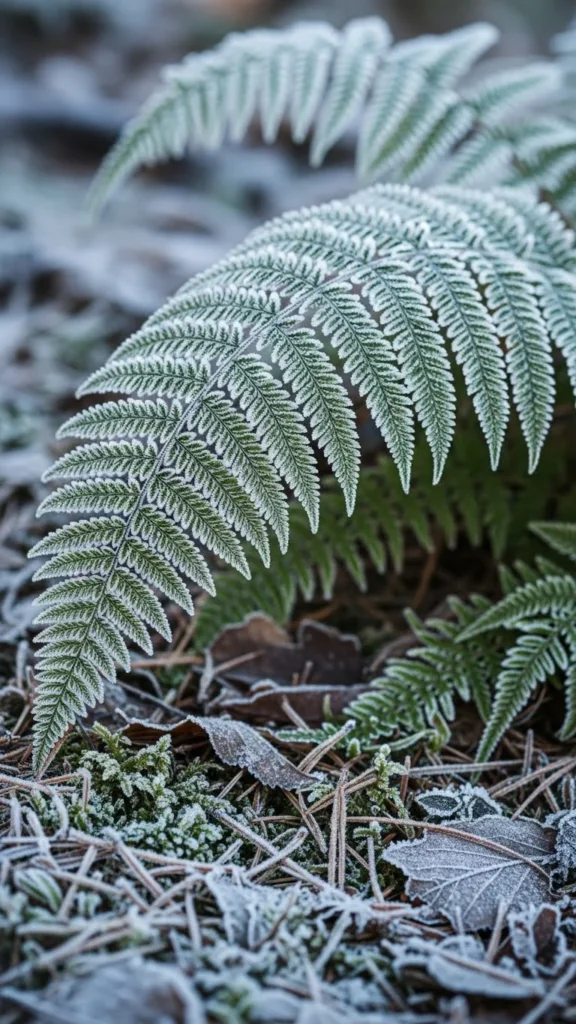
Alpine Wood Fern thrives in colder climates and maintains its soft texture through winter. The delicate fronds create a relaxed look that works well in small yards. Add compost mixed with shredded leaves for easy soil improvement. Plant along slopes or raised beds to highlight the arching shape. Divide mature plants in spring to expand your garden without buying more.
20. Dryopteris ‘Brilliance’
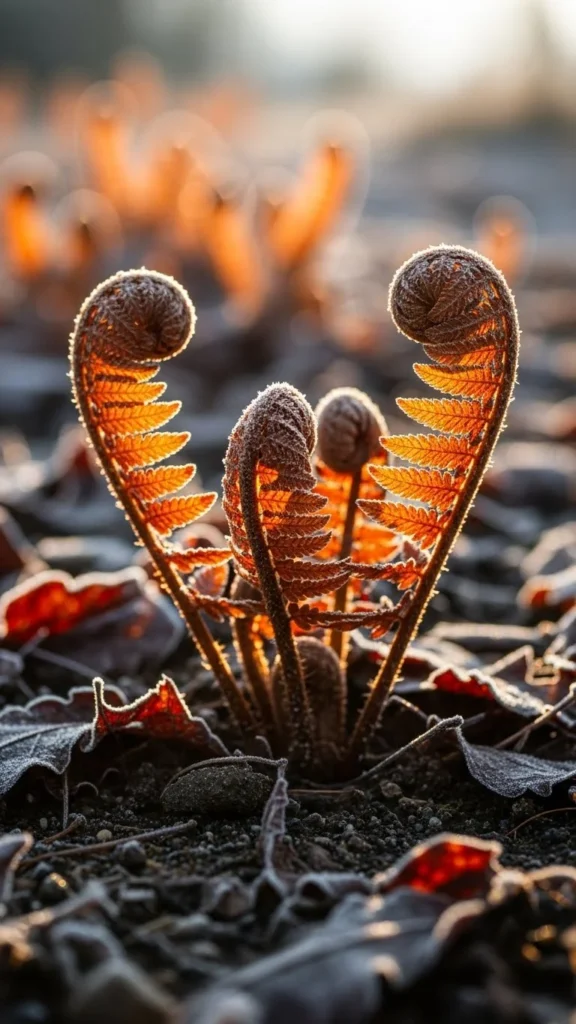
This fern shines with copper-tinted fronds that stay visible through cold months. It’s perfect for brightening shaded corners where color is scarce. You can place several in a row for a warm, textured border. Use homemade mulch for winter protection. Repurpose old containers to grow them on patios or porches for a soft, glowing winter display.
21. Boston Fern (Hardier Varieties)
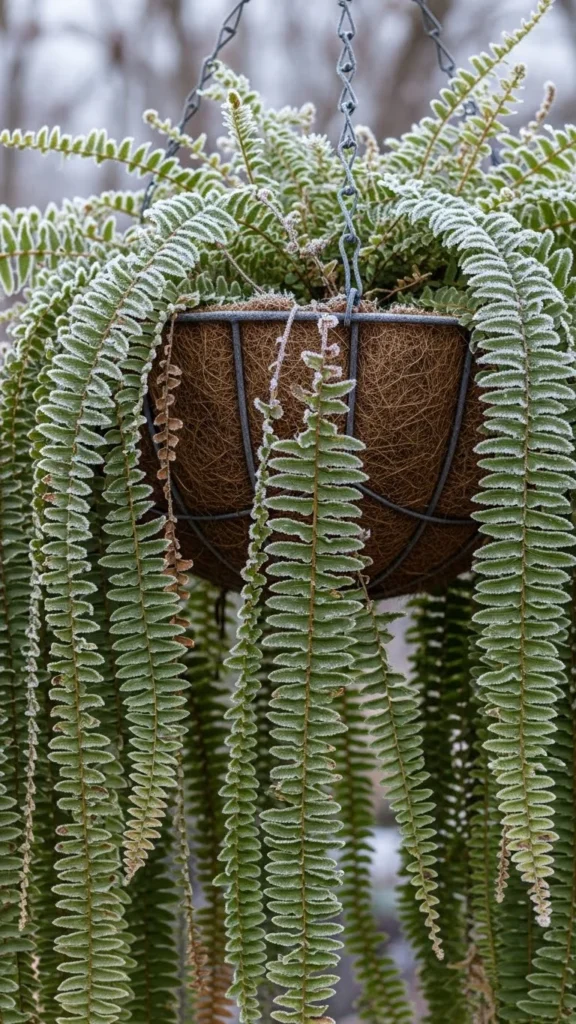
Certain Boston Fern strains can handle cooler zones. Their arching fronds soften porches and sheltered entryways during winter. Bring pots closer to the house wall for added warmth without extra equipment. Use repurposed hanging baskets from thrift shops for a low-cost display. Trim lightly in late fall to help it hold shape.
22. Himalayan Maidenhair Fern
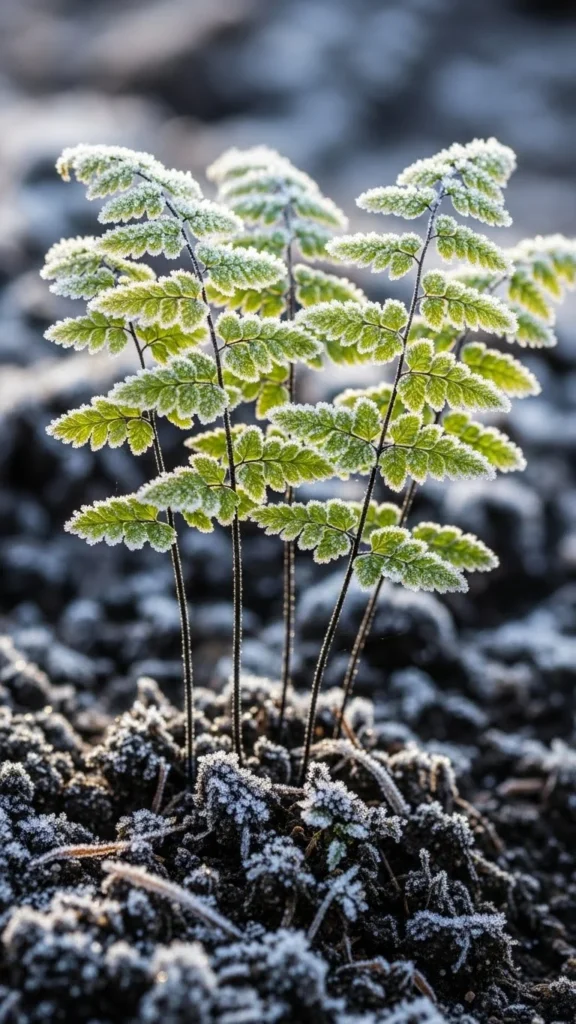
This fern has thin, lacy fronds that keep their charm even through chilly weeks. Perfect for shade gardens that need gentle texture. Improve soil with your own compost blend. Use flat stones or reclaimed bricks to create a simple border around the plant. Water consistently during early growth, then let winter moisture maintain it.
23. Golden-Scaled Male Fern
Golden-Scaled Male Fern has a warm-toned base that adds interest in winter months. The upright fronds bring structure to borders. Plant in partial shade with a thick layer of homemade leaf mulch. Buy small starts to stay on budget. Pair it with rocks or wood elements for a grounded, natural look.
24. Soft Shield Fern
Soft Shield Fern lives up to its name with gentle, feathery texture. It stays green through winter in many regions. Water regularly during fall, then let winter moisture take over. Use yard leaves as mulch for protection. Plant a cluster near garden paths to create a welcoming, calming feel.
25. Korean Rock Fern
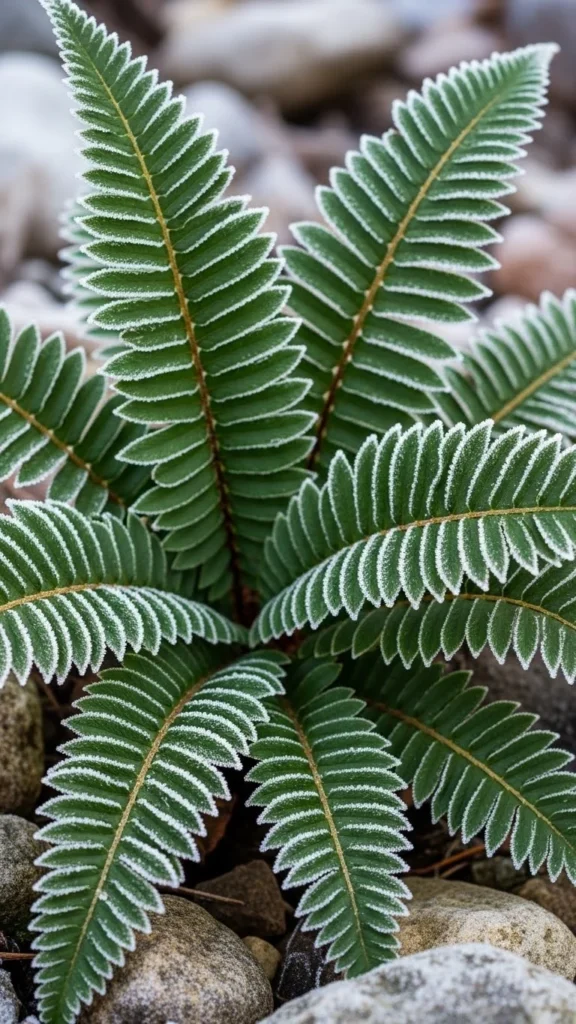
Korean Rock Fern works well in small gardens or rock beds. Its glossy fronds stay present all winter. Plant in crevices or between stones for a natural touch. Reuse leftover gravel or stone pieces from other projects to set the stage without extra spending. Add homemade compost around the base for winter strength.
26. Alaska Fern
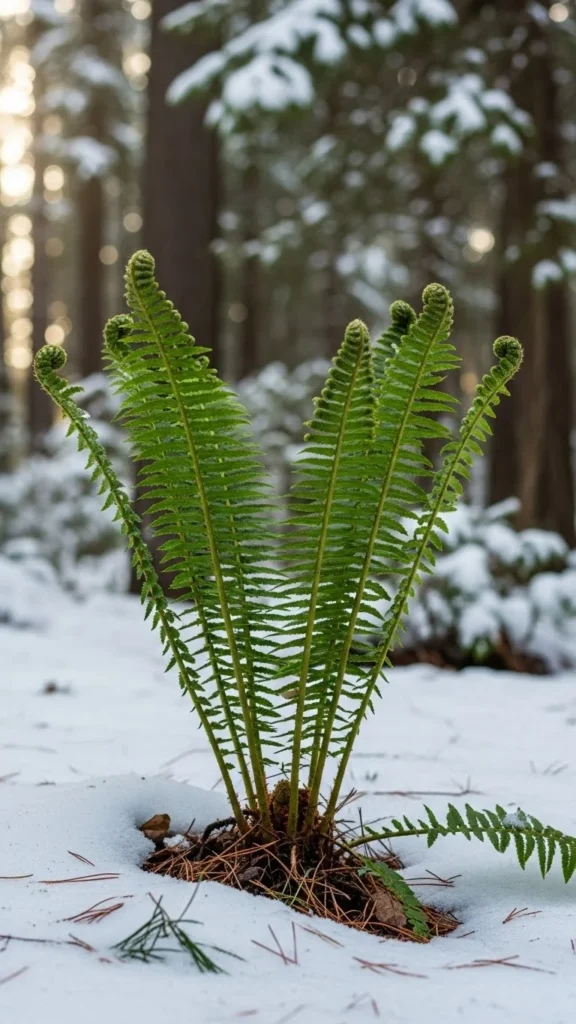
Alaska Fern is reliable in very cold areas. The fronds remain upright and green, even with snow around them. It thrives in shade and blends beautifully with woodland landscapes. Improve soil with a mix of compost and fallen leaves. Plant several together to create a soft winter backdrop. For a simple DIY idea, use reclaimed wood to build a small border around the planting area.
Conclusion
Ferns bring calm structure, soft texture, and winter color without much work or cost. With the right mix of varieties, you can shape shaded areas, fill empty corners, and keep your garden interesting year-round. Choose a few favorites, plant them in groups or containers, and enjoy the easy winter greenery they deliver.

Leave a Reply