

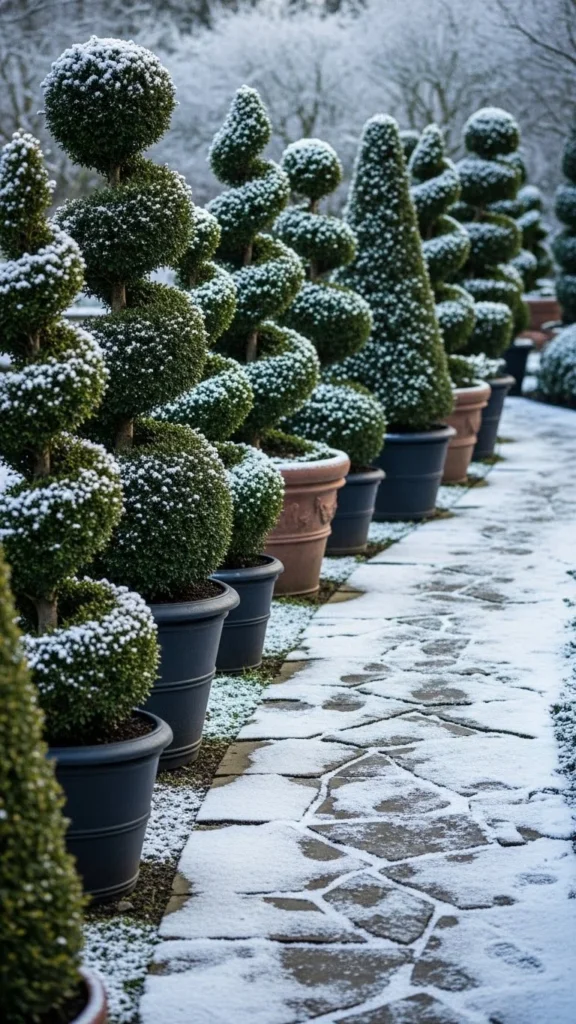
Winter-friendly topiaries bring a rich, sculpted look to any outdoor space during the colder months. Their structure adds calm order when most plants fade away. These shapes also make entryways, patios, and garden beds look intentional without requiring heavy upkeep. Many cold-tolerant varieties keep their form even when temperatures drop. With the right choices and simple seasonal habits, you can shape a space that looks polished, lush, and ready for all kinds of winter weather.
1. Classic Cone Boxwood Topiary
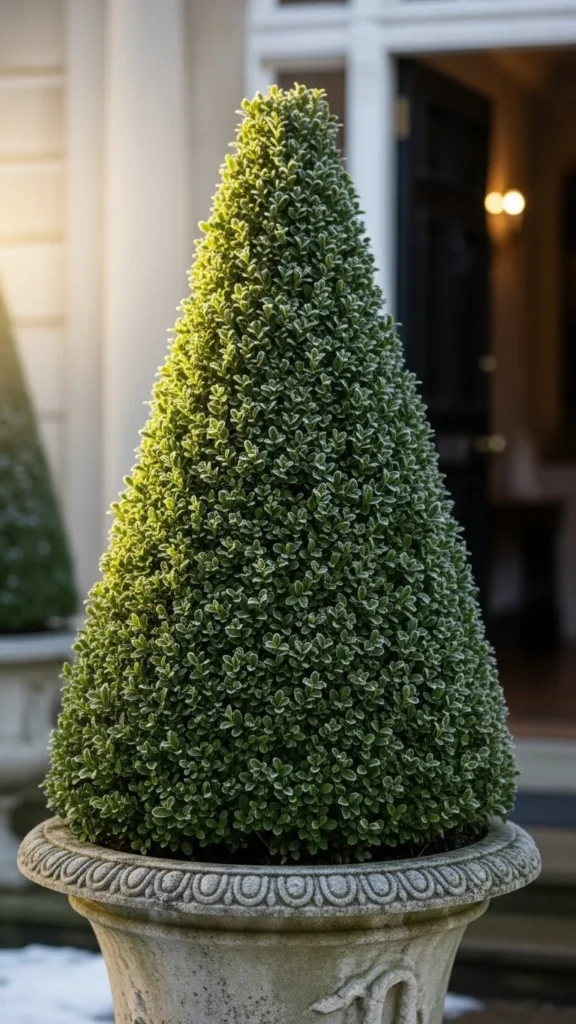
A cone boxwood topiary is a simple way to add structure during cold weather. Its clean shape stays consistent, even when the rest of the garden turns bare. Keep it in a sturdy planter that won’t crack in low temperatures. Choose a shape that looks good from all sides so it shines on porches or patios. Water sparingly since winter soil holds moisture longer. Add a mulch ring for insulation and protection from temperature swings. If your budget is tight, start with a small plant and let it grow into shape over time. You can also trim it slowly through the year to avoid sudden cuts. Tie the branches loosely with twine during storms to help them keep their form. A cone boxwood is one of the easiest ways to add an organized feel without much effort. The shape alone creates a feeling of polish, even on cloudy winter days.
2. Spiral Juniper Topiary
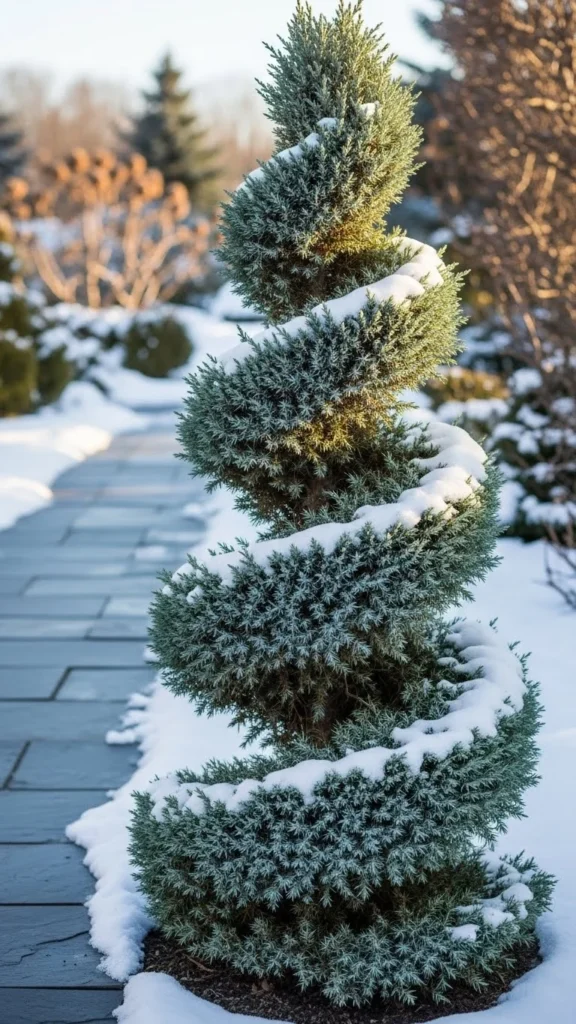
A spiral juniper brings instant movement to winter spaces. The twist draws the eye, making even small areas look styled. Juniper handles cold weather well, and its blue-green foliage brings color when everything else fades. Place it in a heavy container so the wind doesn’t tip it. Keep pruning simple; follow the original line of the spiral and make small snips instead of big cuts. Add gravel at the base to help drainage, especially during freeze-thaw cycles. If you want a lower-cost option, buy a young juniper and slowly train the spiral over several seasons. Wrap it with garden wire as a guide, and trim gently as it grows. Spiral shapes match modern homes and classic designs, making them an easy choice when you want something that looks polished without fuss. A spiral juniper adds a refined winter accent to any doorway or garden corner.
3. Tiered Holly Ball Topiary
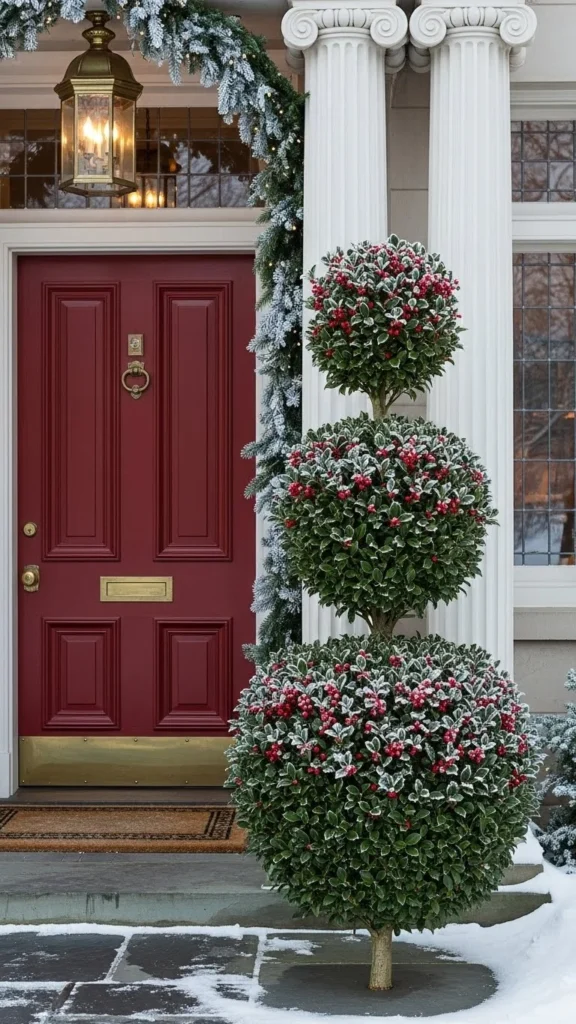
Tiered holly topiaries bring height and color to cold-season spaces. Their stacked shapes look clean, and the berries brighten dull winter days. Holly tolerates low temperatures and stays full if pruned lightly throughout the year. Position the planter where it gets a bit of winter sun to keep the foliage dense. Water slowly and avoid soaking the soil, especially when freezing nights are common. If you want a low-cost version, start with one holly shrub and train it into two or three spheres over time. Use hand pruners to round the shapes gradually. Add a simple burlap wrap on stormy nights to protect the berries from wind. Tiered topiaries instantly make porches and patios feel styled and organized. The combination of glossy leaves and bright berries adds a clean winter accent that looks impressive without much effort.
4. Dwarf Alberta Spruce Cone Topiary
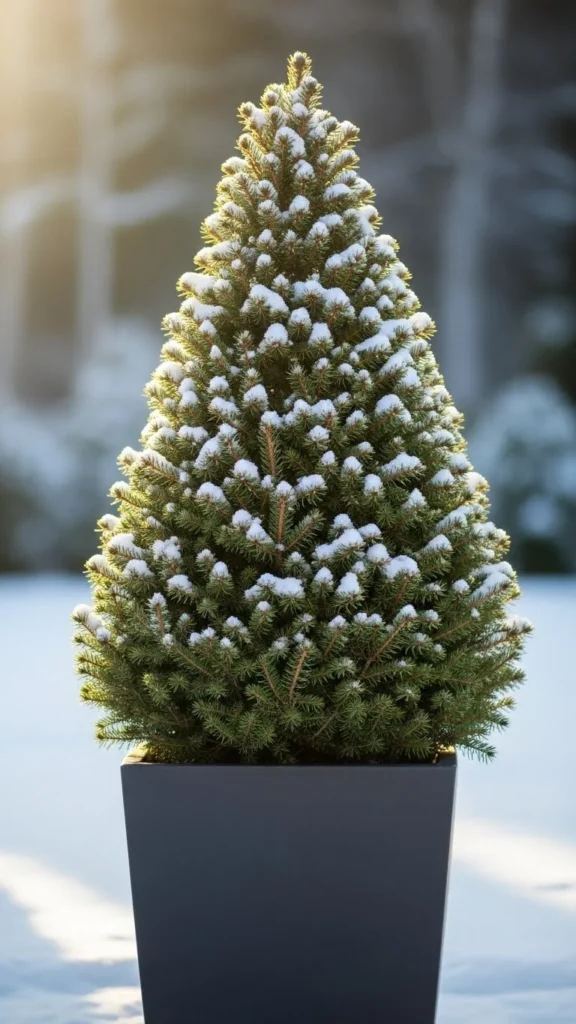
A dwarf Alberta spruce holds its cone shape beautifully through winter. Its dense, fine needles create a lush look that pairs well with modern or rustic décor. Because it grows slowly, you don’t need to prune often. Keep it in a container with drainage holes to prevent frozen, soggy soil. Add a layer of bark mulch to protect the roots from temperature swings. If the budget is tight, choose a younger plant; it will fill out nicely over the years. Water when the top inch of soil feels dry, keeping moisture balanced but not heavy. During strong winds, rotate the planter so one side doesn’t dry out faster. A cone spruce adds a tidy vertical line that makes any entrance look refined. Its evergreen color stays rich all season, even when snow piles up around the base.
5. Boxwood Sphere Pair
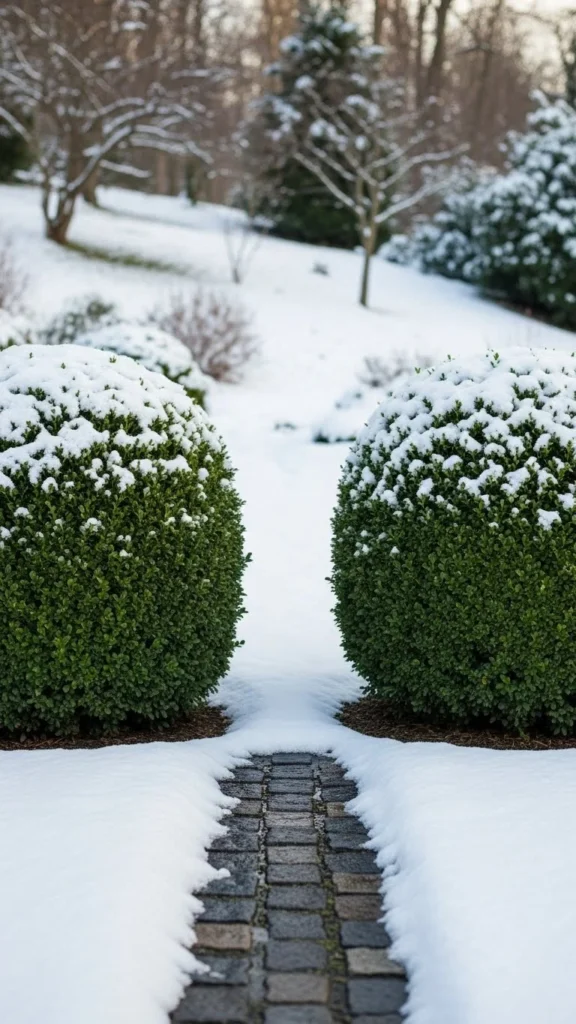
Two boxwood spheres on each side of a path bring balance and symmetry. Their round shape softens winter landscapes while still looking polished. Boxwood stays green in cold weather and only needs small touch-ups during the colder months. Choose wide containers so the roots don’t freeze. Add pebbles at the bottom of the pot to improve drainage. For a low-budget trick, buy one large sphere and one smaller one to create a natural size variation. Keep the soil slightly moist but not heavy, especially during freeze cycles. If you want extra warmth at the base, wrap the pot in burlap. These spheres work well in both traditional and modern settings, making them a simple choice when you want an organized winter look with minimal work.
6. Cypress Column Topiary
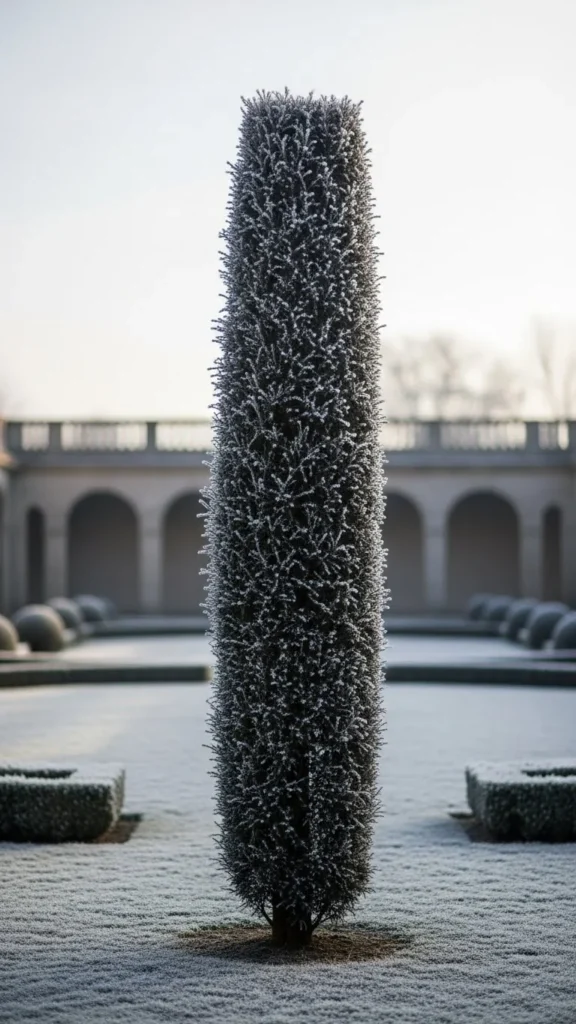
A cypress column topiary gives your outdoor space a tall, slim shape that fits almost anywhere. Its fine texture stays consistent throughout winter. Since it has a natural column shape, pruning stays simple. Keep the plant in a deep planter so the roots are well protected during cold nights. Add a bit of sand to the soil mix to help drainage. If you’re working on a tight budget, choose a smaller starter plant and let it grow upward over time. Water sparingly and avoid wetting the trunk during freezing temperatures. You can place several columns in a row to create a clean winter border without needing a fence. The shape adds quiet order to spaces that look bare during the colder months.
7. Euonymus Golden Edge Topiary
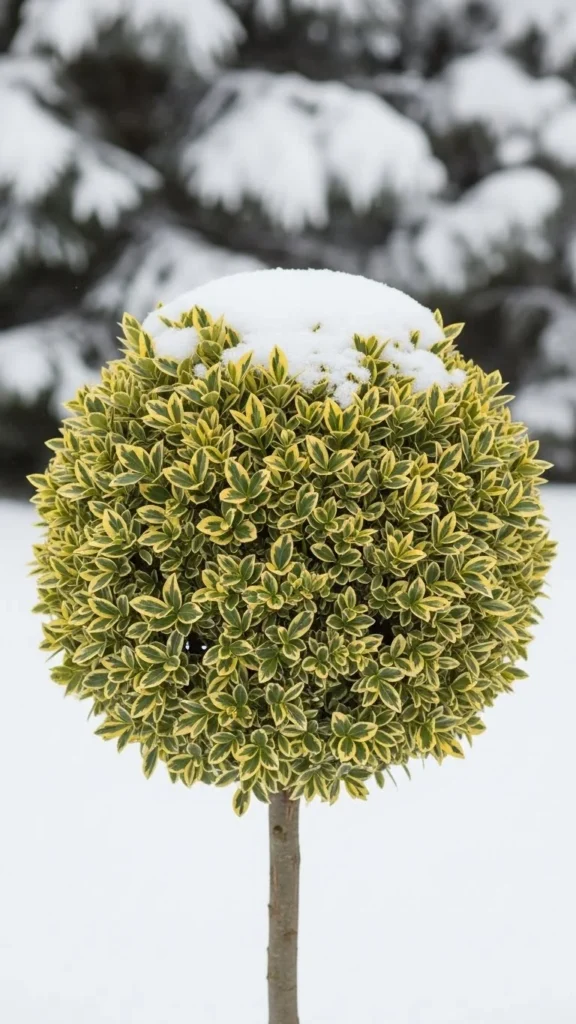
Euonymus with golden edges adds bright contrast during the coldest parts of the year. The variegation makes the plant look cheerful even when skies stay gray. Train it into a ball or a low pyramid. Use sharp pruners to keep the edges tidy. Euonymus handles winter well when planted in containers with good drainage. Add a bit of compost to keep the soil balanced. For a more affordable option, buy a small plant and shape it slowly over time. Add a layer of small stones on top of the soil to give the planter a clean finish. Euonymus brings a touch of color that stands out beautifully in snowy backdrops without needing constant trimming.
8. Mini Cedar Pyramid
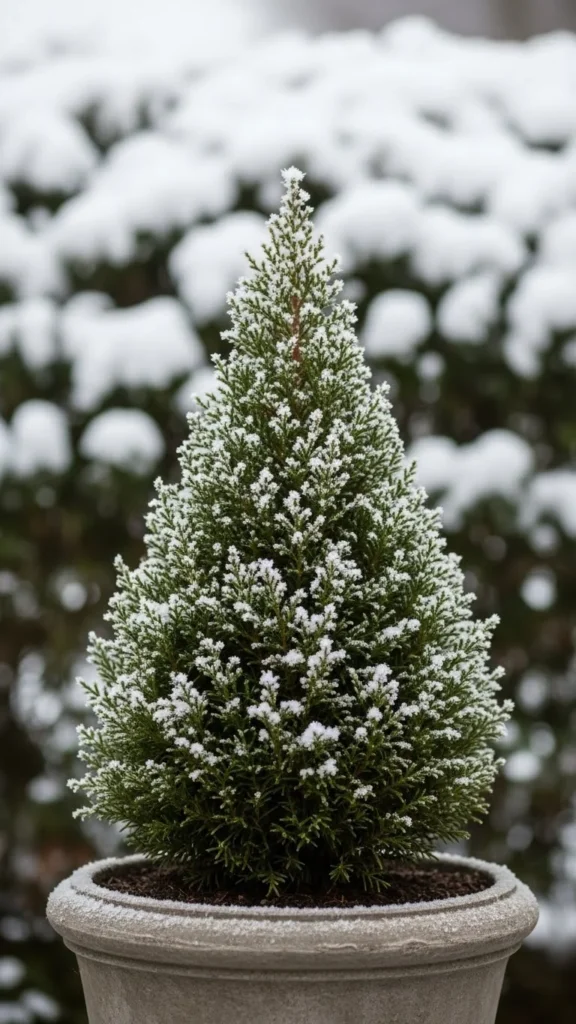
Mini cedar pyramids are hardy and reliable through winter. Their shape holds up even under light snowfall. Cedar has a lovely natural scent and rich color that stays strong in cold air. Keep it in a pot with space for root growth. Prune just the tips to maintain the pyramid shape. Add mulch around the base to help regulate soil temperature. If you want to save money, buy a young cedar and slowly refine the pyramid shape as it grows. Place these pyramids along pathways or steps to add a subtle winter structure that doesn’t need heavy upkeep.
9. Rosemary Ball Topiary
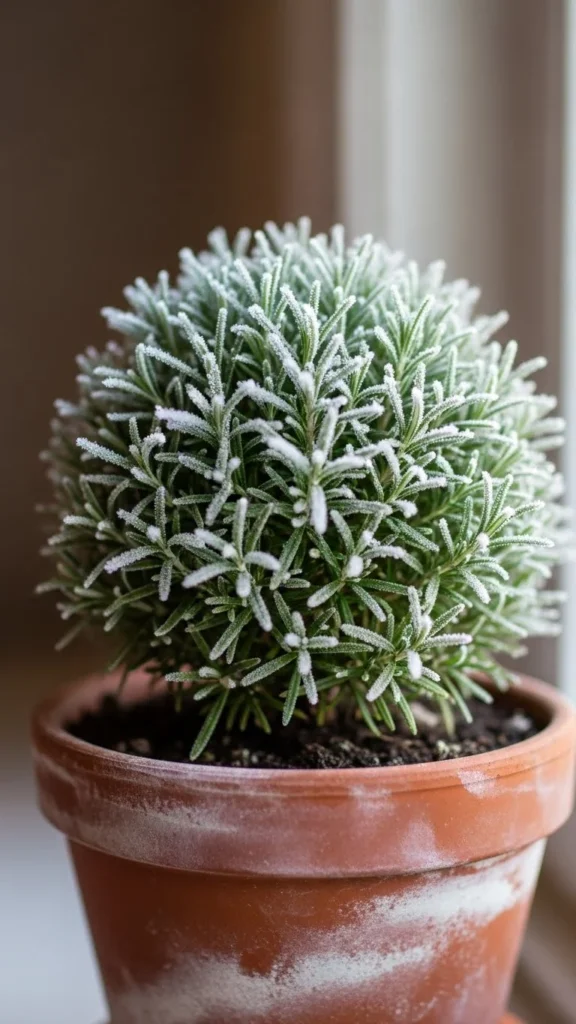
Rosemary surprises many gardeners with its ability to tolerate cool weather. When shaped into a ball topiary, it adds fragrance and texture. Place it in a sheltered spot to protect it from harsh wind. Keep pruning gentle and rounded. Water lightly since rosemary prefers dry soil. For a budget method, grow rosemary from a small cutting and train it slowly. Add gravel to the soil to support drainage during frost cycles. Bring it closer to the house for warmth if extreme cold is expected. Rosemary creates a soft, scented accent that works indoors or outdoors during the winter season.
10. Yew Column Pair
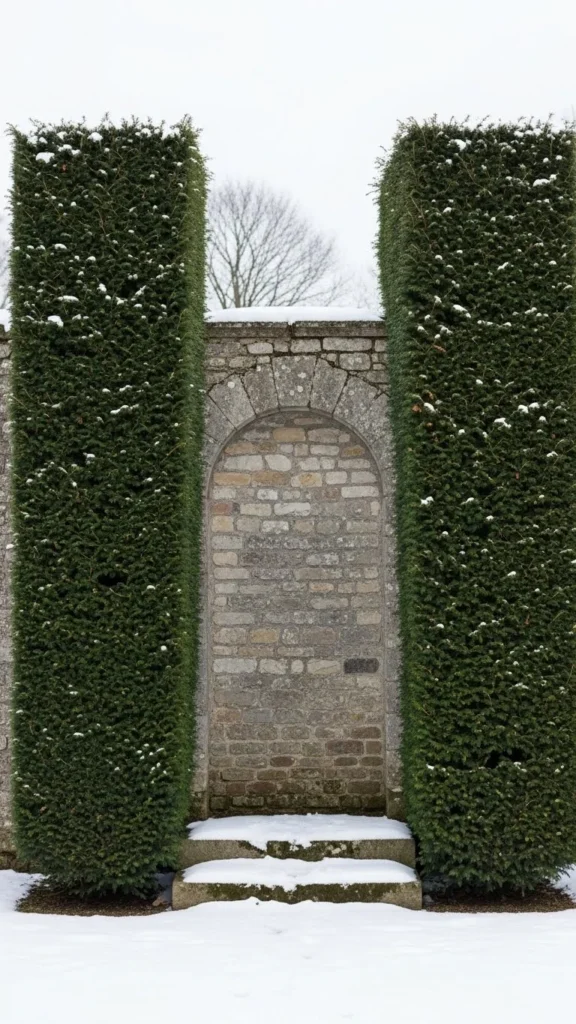
Yew grows thick and upright, making it perfect for column topiaries. It tolerates winter well and keeps its dark green color. Place two columns at an entryway to frame the space with a formal winter touch. Use a deep planter to protect the roots. Trim only the sides to maintain straight lines. Add a bit of grit to the soil for drainage. If you’re working with a smaller budget, buy one yew and split it into rooted cuttings over time. Rotate the pot weekly so all sides get equal light. Yew columns provide height and elegance even on the coldest days.
11. Mugo Pine Globe
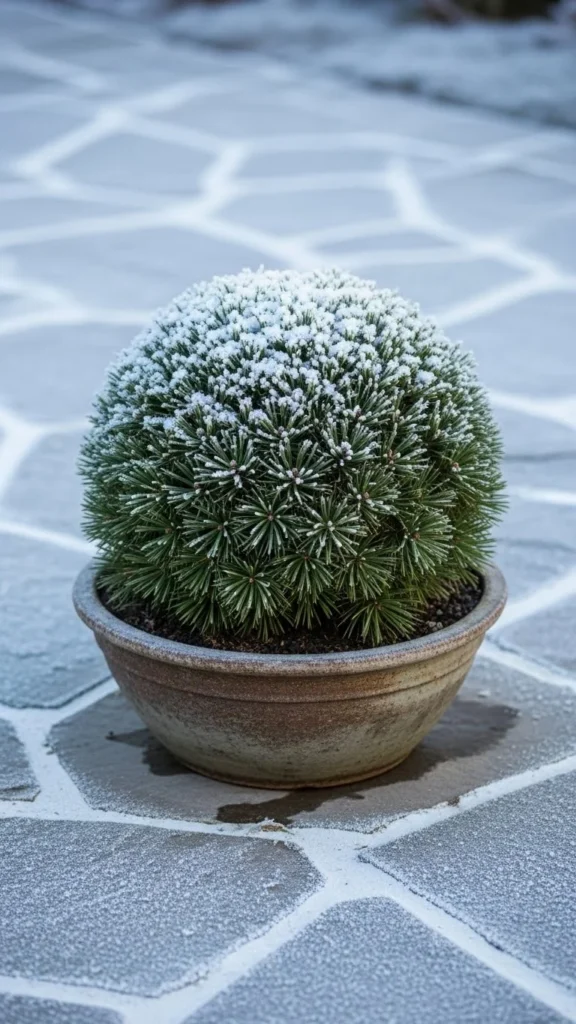
Mugo pine holds a globe shape nicely and thrives in winter. Its tight needles give it a neat, sculpted look. Place it in a wide pot with excellent drainage. Add small stones to prevent soil compaction during freeze cycles. Trim lightly at the tips to maintain the round form. If you want a budget-friendly option, start with a small pine and shape it slowly over time. Mugo pine works well near seating areas, bringing a compact winter accent with minimal care.
12. Privet Oval Topiary
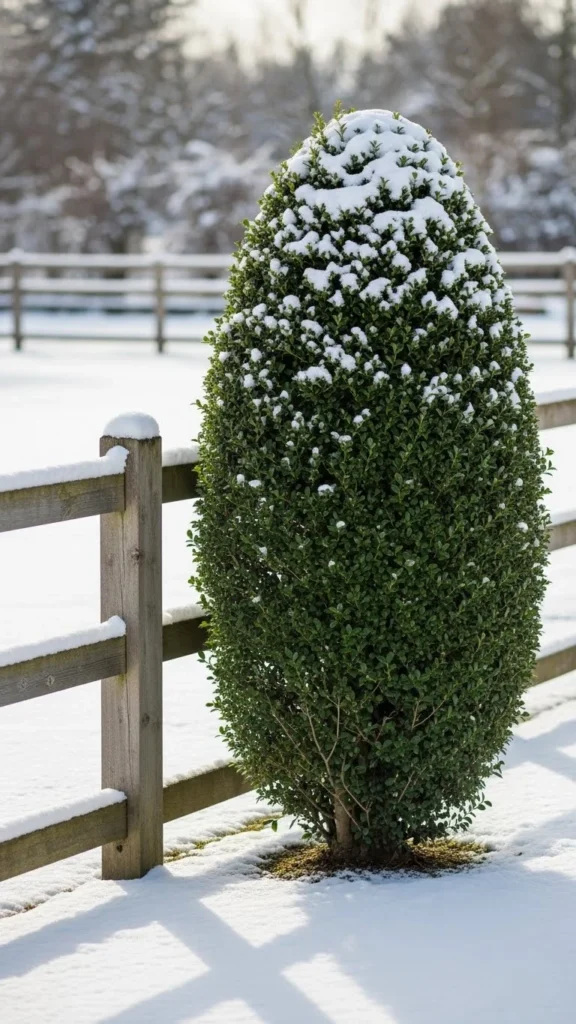
Privet forms tight shapes easily, making it perfect for oval topiaries. The smooth, stretched shape stands out among winter landscapes. Privet grows quickly, so small trims keep it looking clean. Use a breathable planter material so moisture levels stay balanced. Add a mulch layer to help the roots during freezing nights. To save money, buy an unshaped plant and form the oval over time. Pair it with other topiaries for a layered winter look that feels organized and welcoming.
13. Pine Spiral Twist
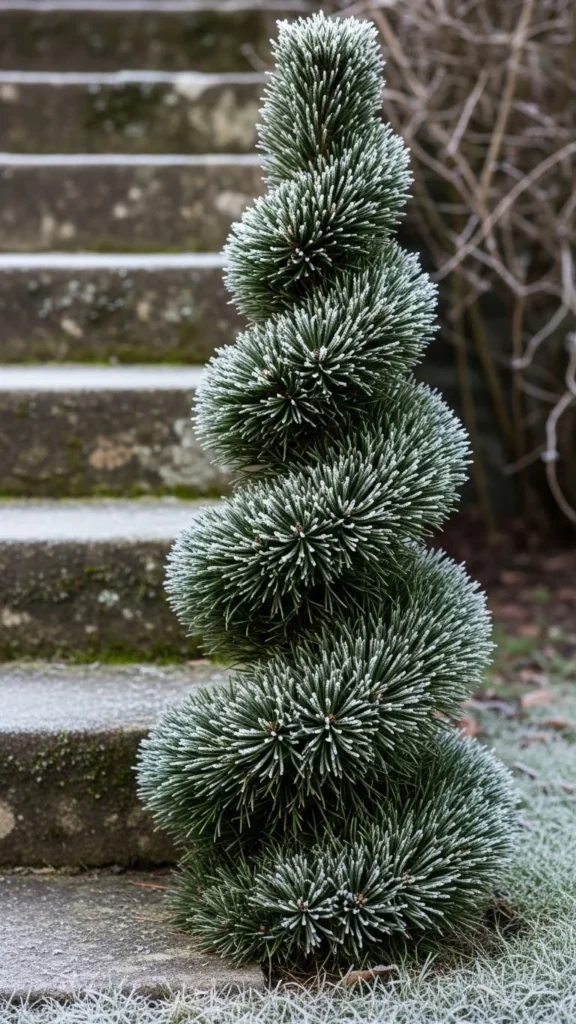
A pine spiral brings playful movement to winter spaces. The twist breaks up flat winter scenery and adds visual interest. Pine tolerates cold extremely well. Keep it in a pot with drainage holes to avoid frozen roots. Trim along the spiral path a few times a year. If you’re saving money, start with a young pine and guide it using wire until the twist sets. Add a gravel layer on top of the soil for a clean finish. A pine spiral brings a dynamic winter shape that works in small or large spaces.
14. Camellia Dome Topiary
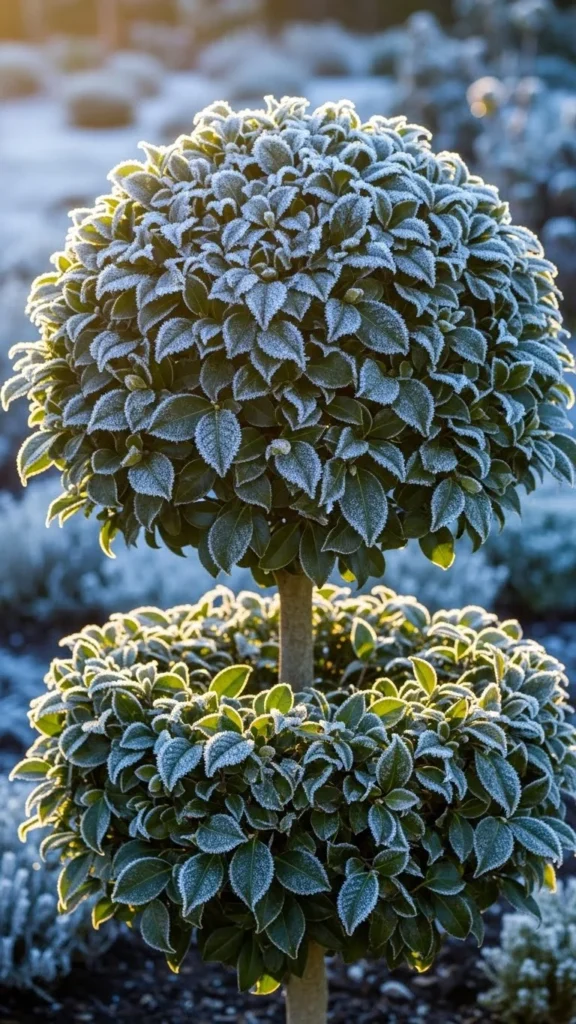
Camellia dome topiaries add a lush, smooth shape that stays attractive year-round. While camellias can be sensitive, many varieties tolerate winter when placed near sheltered walls. Keep the soil slightly moist but not heavy. Add bark mulch to help insulate the roots. Prune lightly to maintain the dome. If you want to stay within budget, buy a young camellia and shape it slowly. A camellia dome brings a silky winter texture that stands out beautifully against snow and stone.
15. Lavender Cone
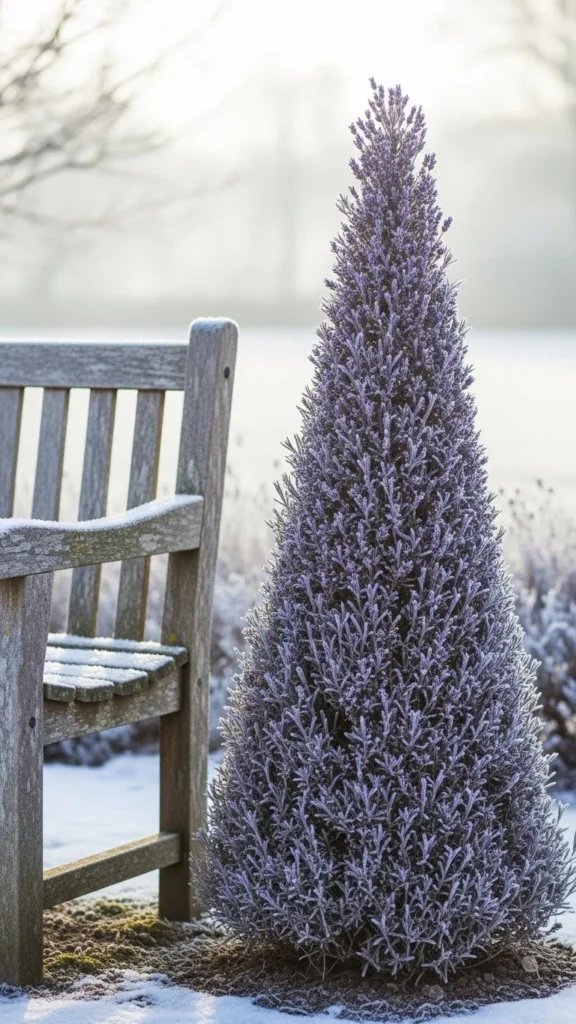
Lavender cones bring both scent and structure. Their grayish foliage looks beautiful in winter light. Lavender likes dry soil, so water sparingly. Add sand to the soil mix for fast drainage. Keep pruning gentle, following the cone shape. If you want to stay on a budget, start with a small lavender plant and slowly guide the shape. Place the topiary near doorways or seating areas for scent. Lavender cones bring a soft winter presence that brightens cold days without extra work.
16. Podocarpus Tower
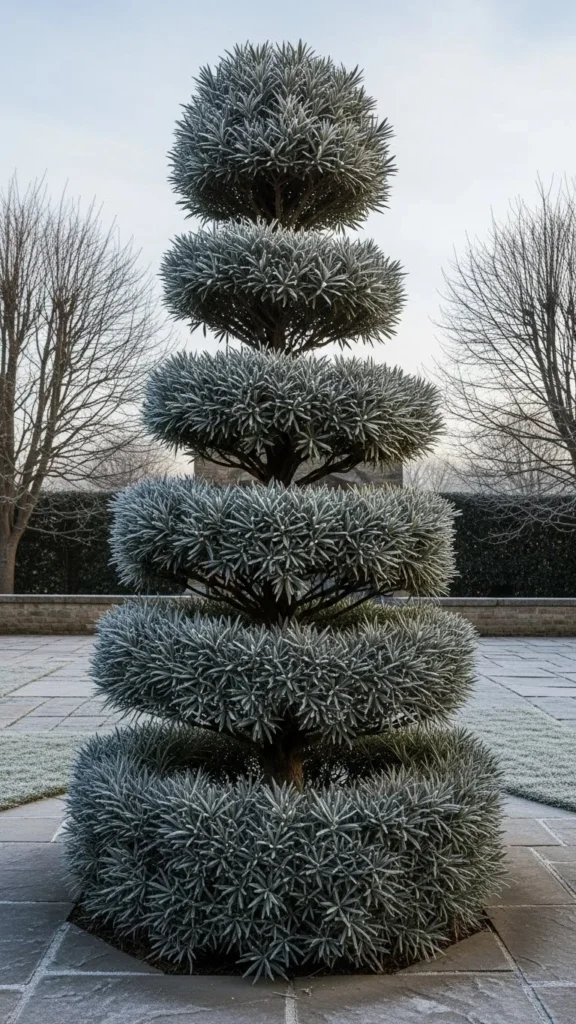
Podocarpus grows upright and narrow, perfect for tower shapes. It tolerates cool weather and keeps its strong color through winter. Keep it in a deep, insulated planter. Trim only the sides for shape. Add a layer of mulch or straw around the base. If you want to save money, buy a starter plant and allow it to grow taller before shaping. This tower shape brings a sleek winter line that fits both classic and contemporary spaces.
17. Arborvitae Obelisk
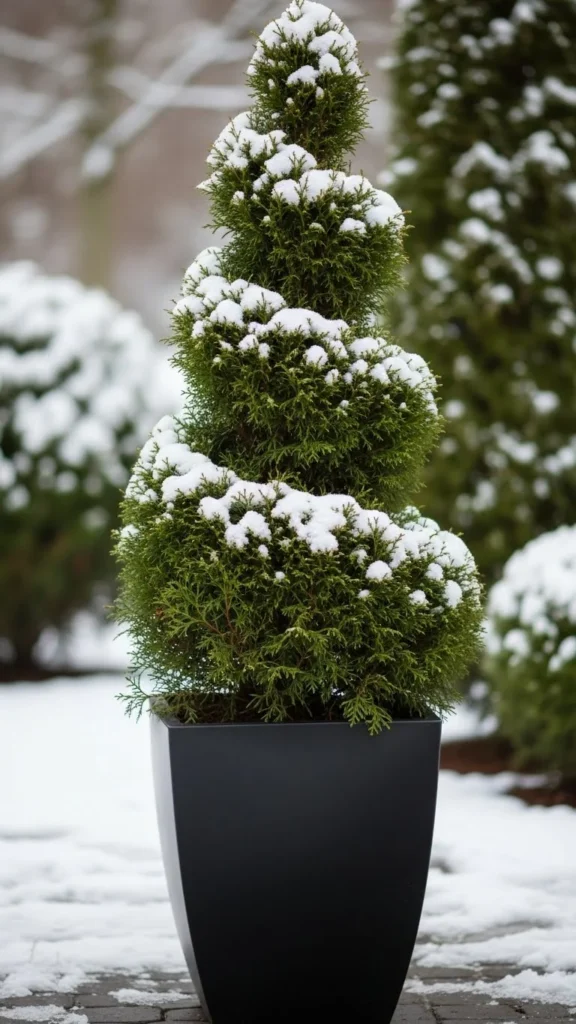
Arborvitae holds strong during winter and naturally grows into tall shapes. The obelisk style adds height that draws the eye upward. Keep pruning minimal, just trimming stray tips. Place it in a weighted planter so wind doesn’t move it. Add bark mulch for root insulation. If cost is a concern, choose a smaller plant and guide it into shape over time. Arborvitae obelisks add a bold winter silhouette without complicated care habits.
18. Osmanthus Rounded Hedge Topiary
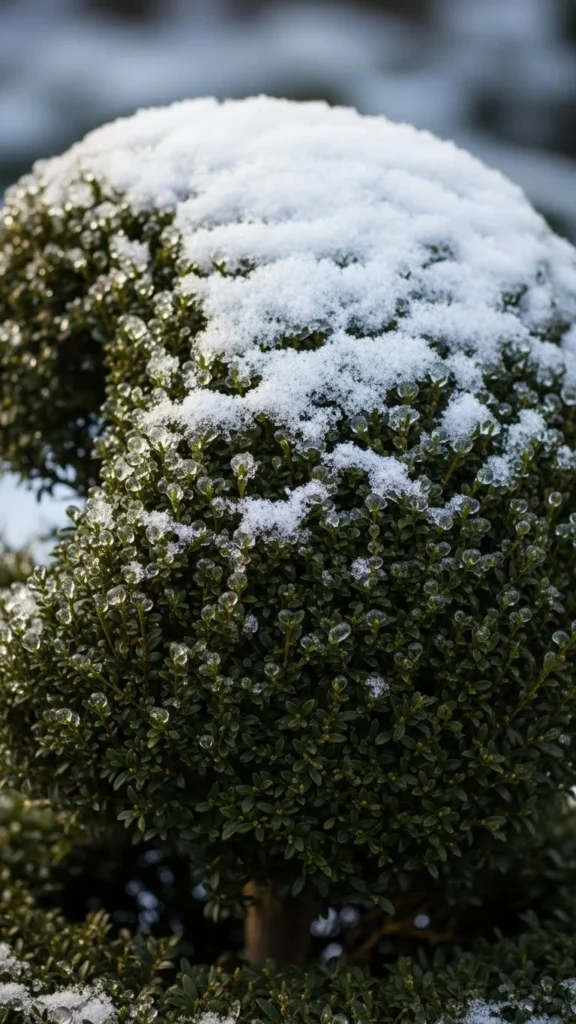
Osmanthus creates compact rounded hedges that handle winter gracefully. The glossy leaves look rich during colder months. Train it into either low domes or elevated spheres. Keep soil slightly moist and add mulch to regulate temperature. Trim lightly through the year. For a budget tip, propagate small pieces to grow additional shaped plants. Osmanthus adds a clean winter form that works along paths, patios, or entryways.
19. Pine Column Trio
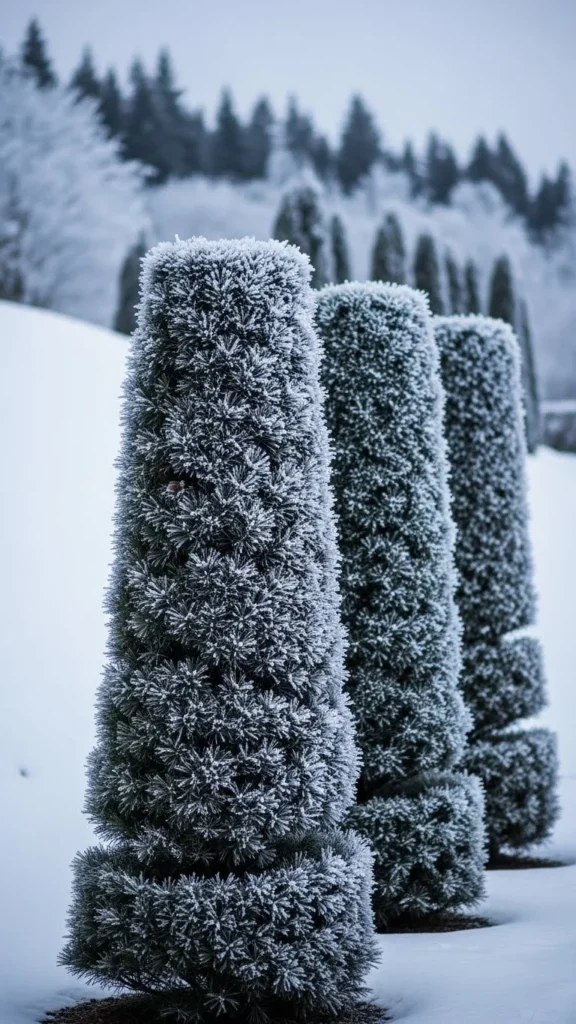
Three pine columns create a strong, organized winter display. Pine handles freezing weather with ease. Place the columns in equal-sized pots for balance. Water lightly and avoid wet soil during freezing cycles. Trim only the sides to keep the columns straight. If you want to save money, buy young pines and grow them into taller shapes over time. A column trio makes a structured winter line that works well along fences or driveways.
20. Box Honeysuckle Cube
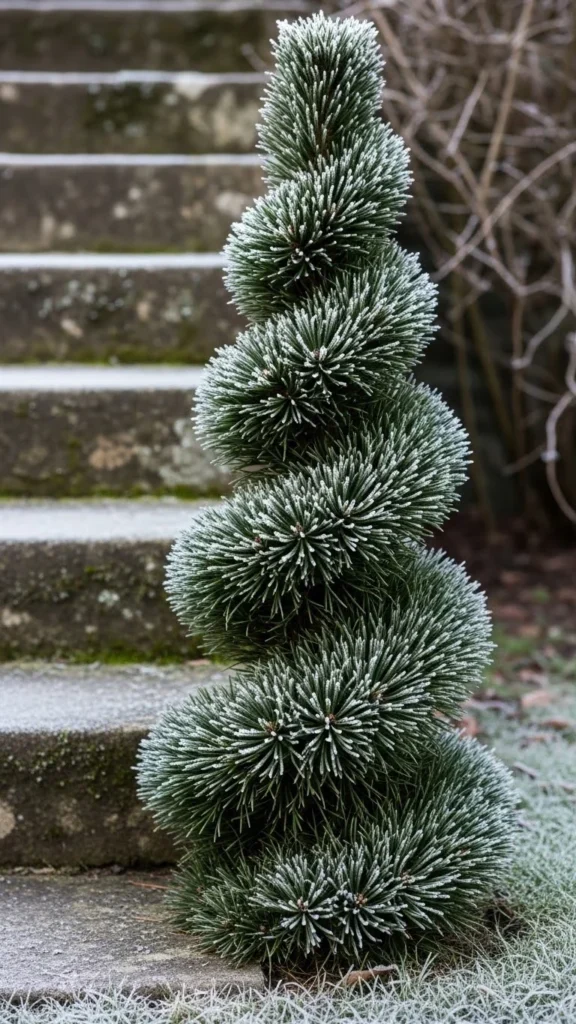
A box honeysuckle cube brings sharp, modern lines to winter spaces. The geometric shape looks impressive but is easier to maintain than people think. Keep the sides trimmed flat using hand shears. Place it in a square planter for a clean match. Add gravel under the soil for drainage. Buy a smaller honeysuckle plant if you want a cost-friendly start. These cubes work well in pairs, creating a modern winter statement that stays tidy all season.
21. Sky Pencil Holly Column
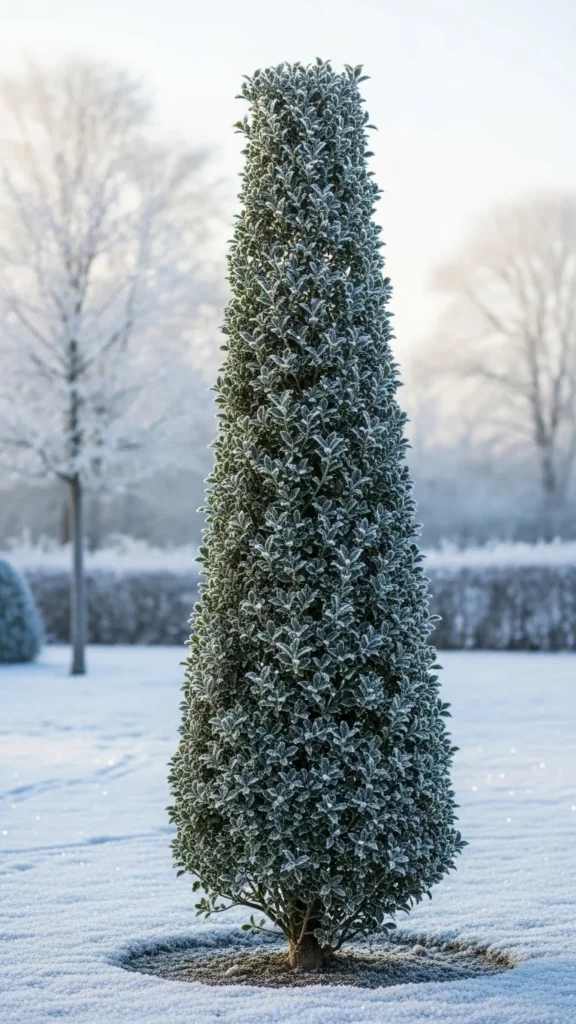
Sky Pencil holly grows tall and upright, perfect for slim column shapes. It needs very little pruning, making it great for low-work winter styling. Place it in a deep container with drainage. Add mulch around the base for warmth. If you want a budget option, start with a smaller plant; it grows slowly but steadily. This topiary adds a sleek winter accent that works beautifully in tight spaces or beside tall doors.
22. Spindle Tree Lollipop
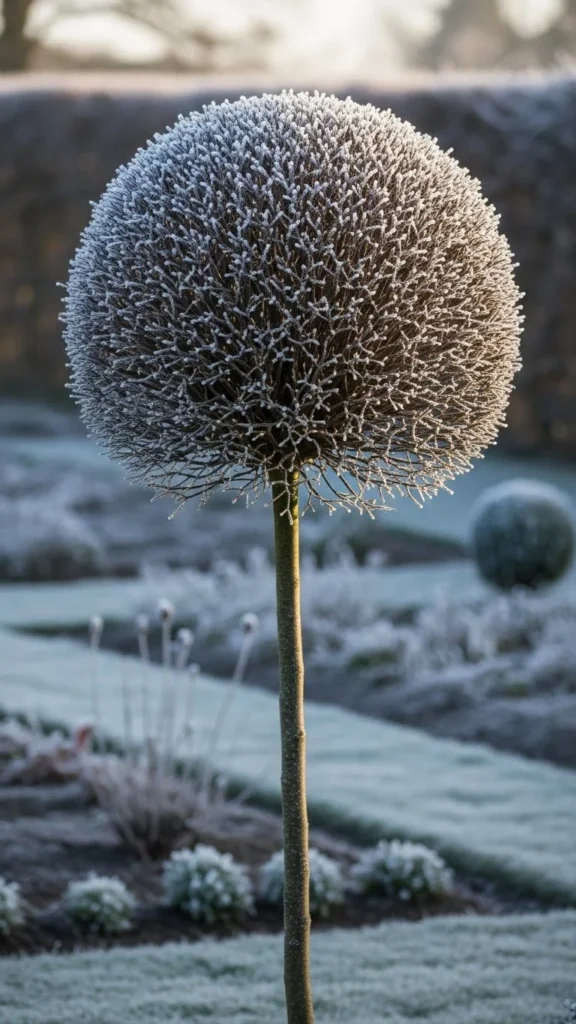
A spindle tree lollipop has a charming rounded top with a slim trunk. Its colorful winter leaves bring life to cold landscapes. Keep it pruned lightly to maintain the sphere. Place it in a pot that balances the height. Add mulch to protect the roots. For budget-saving, buy an untrained plant and slowly guide it into the lollipop style. This topiary adds a playful winter feature that fits courtyards, patios, and entryways.
23. Dwarf Cypress Spiral
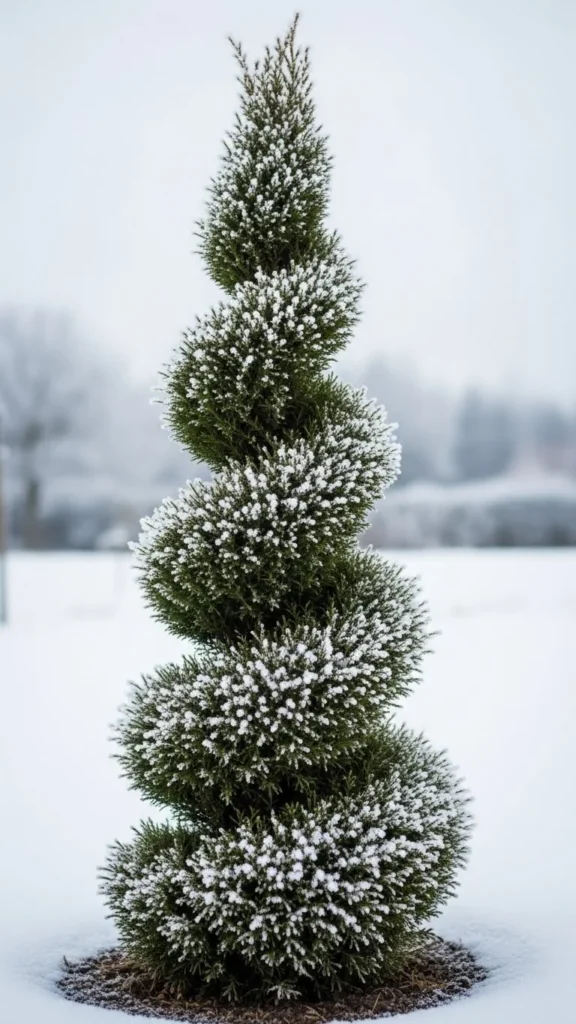
Dwarf cypress spirals bring a soft twist that works well in winter gardens. The foliage stays full and vibrant through cold temperatures. Keep trimming minimal, only following the spiral line. Place it in a stable pot. Add gravel to avoid waterlogged soil. If you want a simple budget method, guide the spiral using wire when the plant is young. This topiary adds a subtle winter swirl that pairs beautifully with modern or rustic décor.
24. Japanese Holly Dome
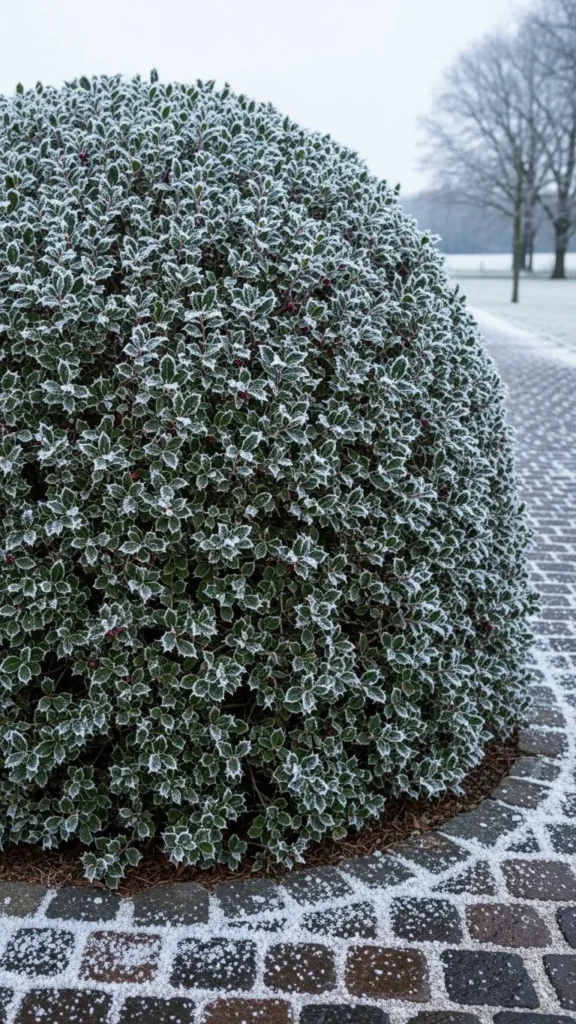
Japanese holly forms tight, glossy domes that look tidy even during the coldest months. It handles winter well when given light shelter from strong winds. Keep pruning simple, rounding the shape slowly. Add mulch at the base to protect the roots. For a more affordable approach, start with a young holly plant and allow it to fill out over time. This dome shape brings a compact winter highlight that fits anywhere.
25. Thuja Pyramid Pair
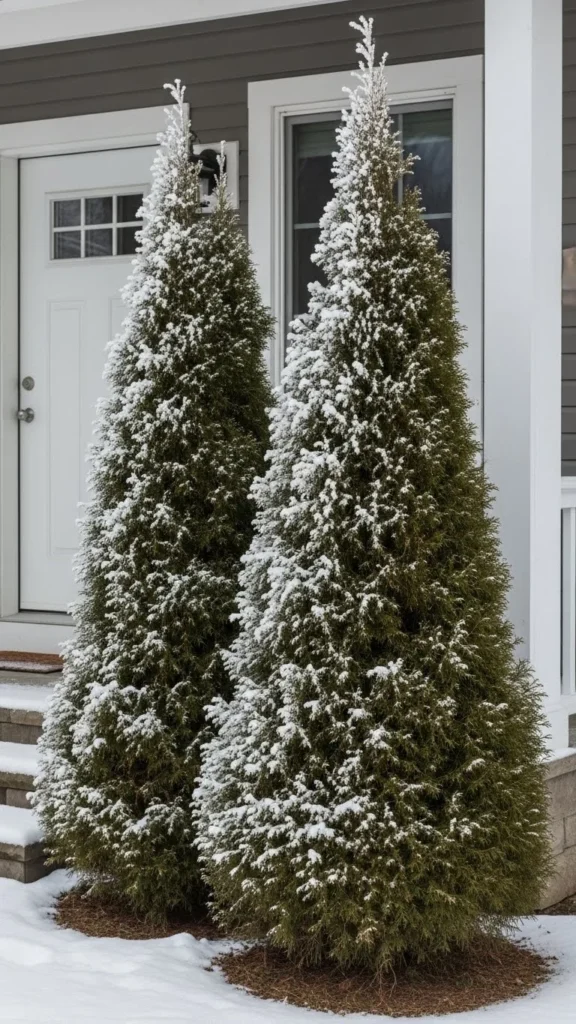
Thuja pyramids give height and structure to winter settings. Their natural shape makes trimming easy. Place them in sturdy planters so wind won’t tip them. Add bark mulch for insulation. Water lightly through the season. If you want to save money, start with younger thuja and allow them to grow into taller shapes. These pyramids create a refined winter frame for porches, patios, or pathways.
26. Euonymus Checkerboard Topiary
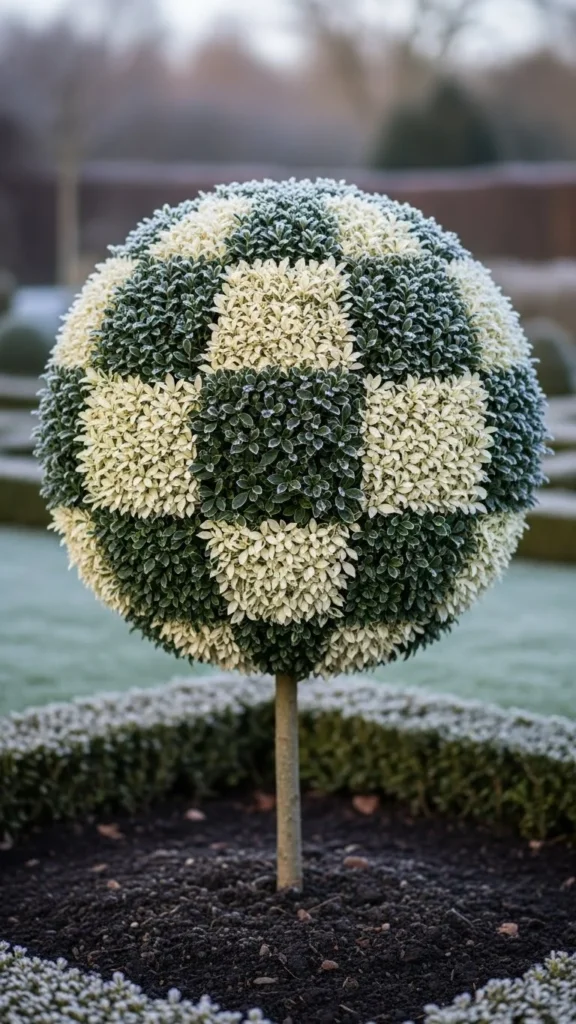
This striking shape uses careful pruning to create contrasting layers of foliage. Euonymus handles winter well and keeps its bright leaf edges. Start by trimming alternating sections to create the pattern. Use a sharp pair of shears and make small cuts. Add mulch around the base for warmth. For a budget-friendly method, practice the shape on a small plant before trying it on a larger one. This topiary adds a unique winter feature that instantly catches attention.
27. Boxwood Triple Ball
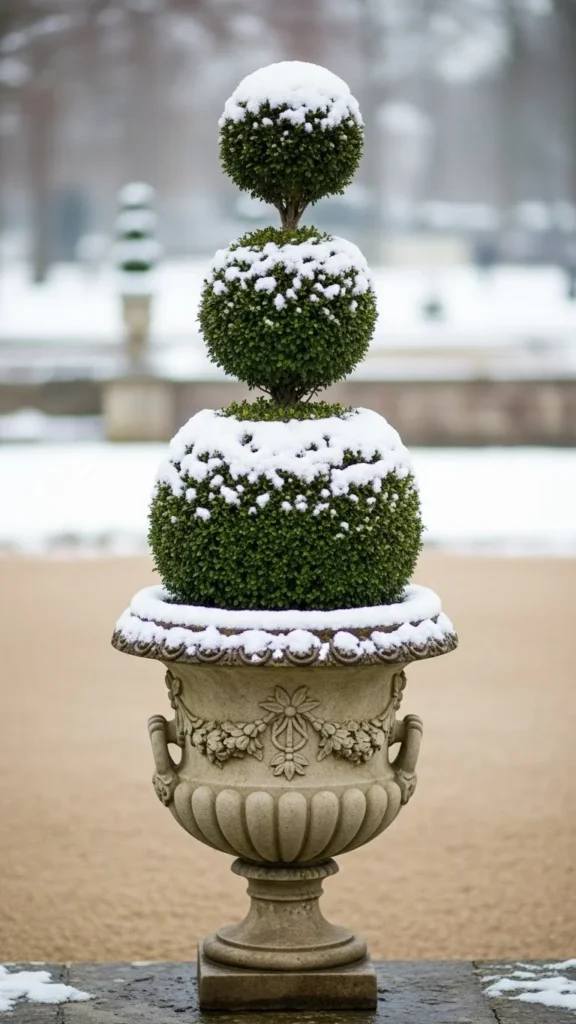
A triple-ball boxwood creates height and progression in winter landscapes. Each sphere adds depth and interest. Keep the shape by trimming each ball individually. Add mulch to insulate the planter. Water lightly to avoid soggy soil in cold weather. If you want a budget option, start with a double ball and train a third sphere as it grows. This topiary brings a layered winter structure that works beautifully at entrances.
28. Cypress Dome-and-Spire Combo
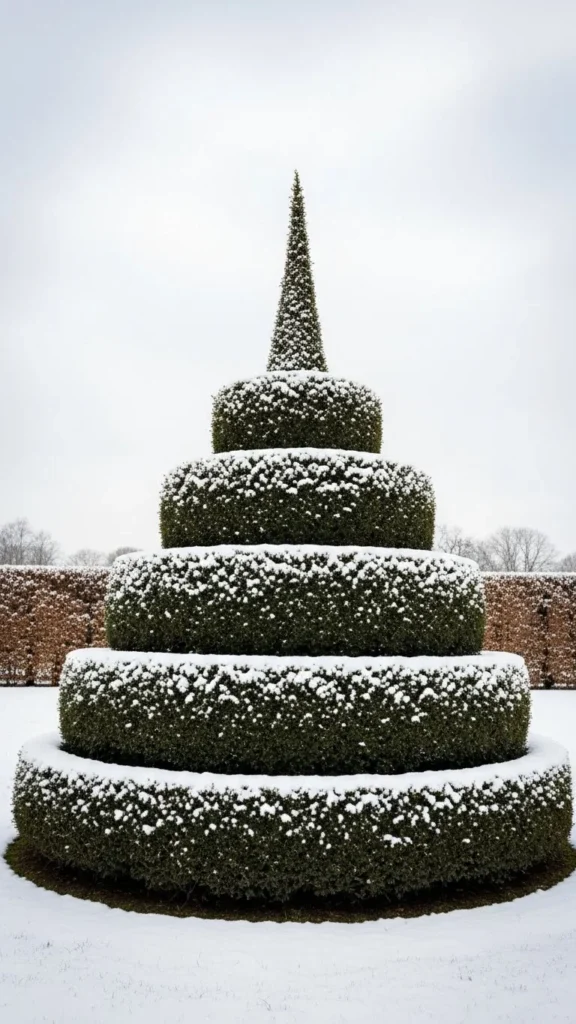
This combo shape adds both height and fullness. The dome grounds the design, while the spire brings vertical interest. Cypress manages winter conditions well and only needs occasional trimming. Keep it in a deep planter with gravel for drainage. Add mulch for root warmth. To save money, start with a young cypress and guide both shapes slowly. This topiary adds a bold winter centerpiece that makes any patio or entryway feel organized and styled.
Conclusion
Winter-friendly topiaries create structure, form, and calm order during the cold months. Their shapes stay strong, giving porches, pathways, and patios a polished look even when flowers fade. With simple habits, smart plant choices, and a few budget-friendly tricks, you can shape a space that looks rich all season. Choose one or create a full collection—each topiary adds its own quiet sense of luxury to winter landscapes.

Leave a Reply