

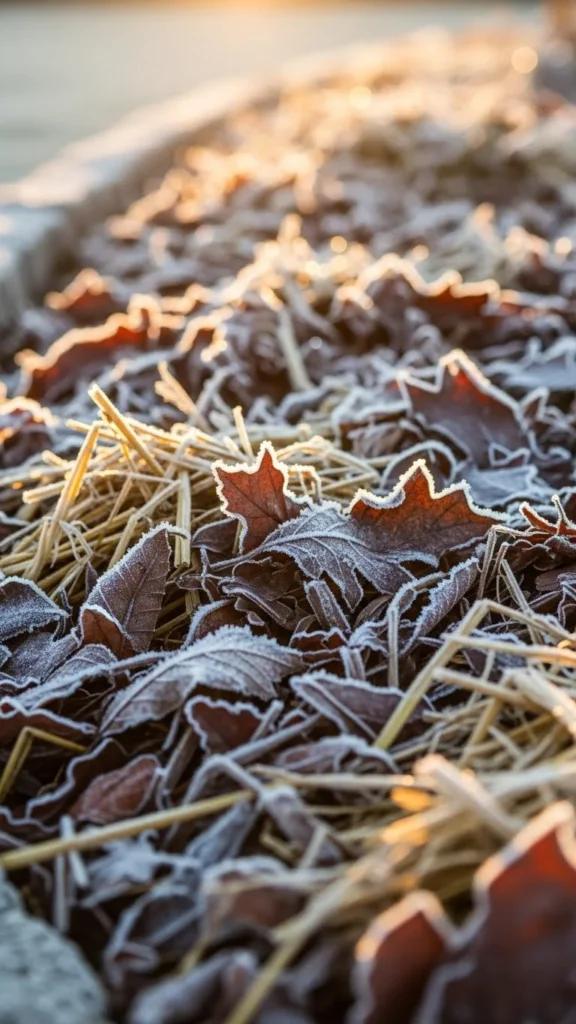
Mulching for winter helps roots stay warm, stable, and hydrated through freezing nights. Gardeners search for simple ways to protect their plants without spending much. This list gives hands-on solutions anyone can use, even with basic supplies. Every idea stays practical, budget-friendly, and easy to apply right away.
1. Shredded Leaf Blanket
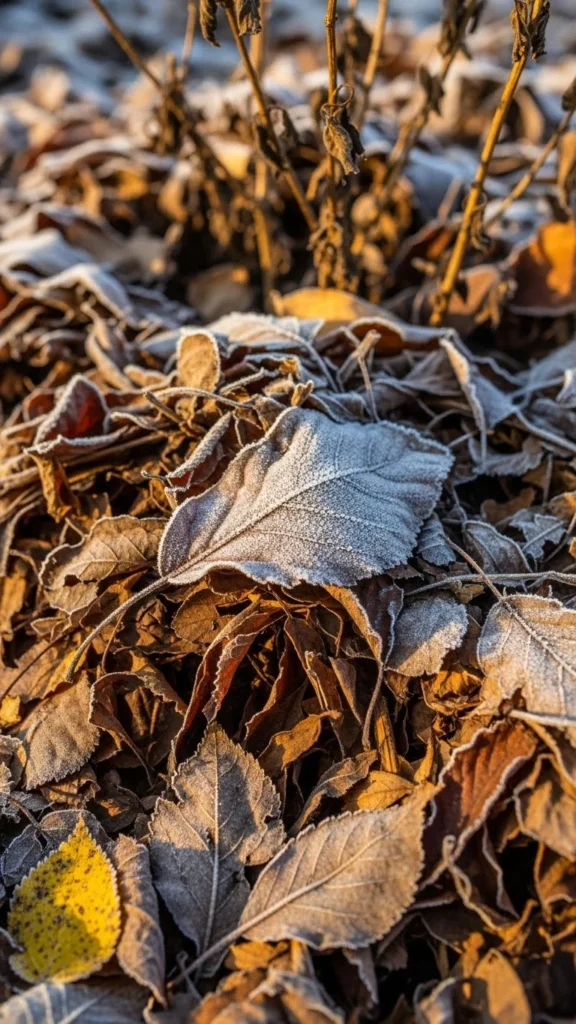
A shredded leaf blanket works well for almost any garden space. Leaves break down slowly and create a warm cushion that traps soil heat. Grab a rake, gather fallen leaves, and run them through a mower to shred them. Smaller pieces settle better and don’t mat down. Spread a 3–5 inch layer around shrubs, perennials, or small trees. Keep material slightly away from stems to prevent moisture buildup. If you deal with winter winds, add a light net or a ring of branches to keep everything in place. This mulch is free, simple to apply, and easy to refresh whenever needed. It also supports soil life heading into early spring, giving roots steady protection and gentle warmth.
2. Pine Needle Layer
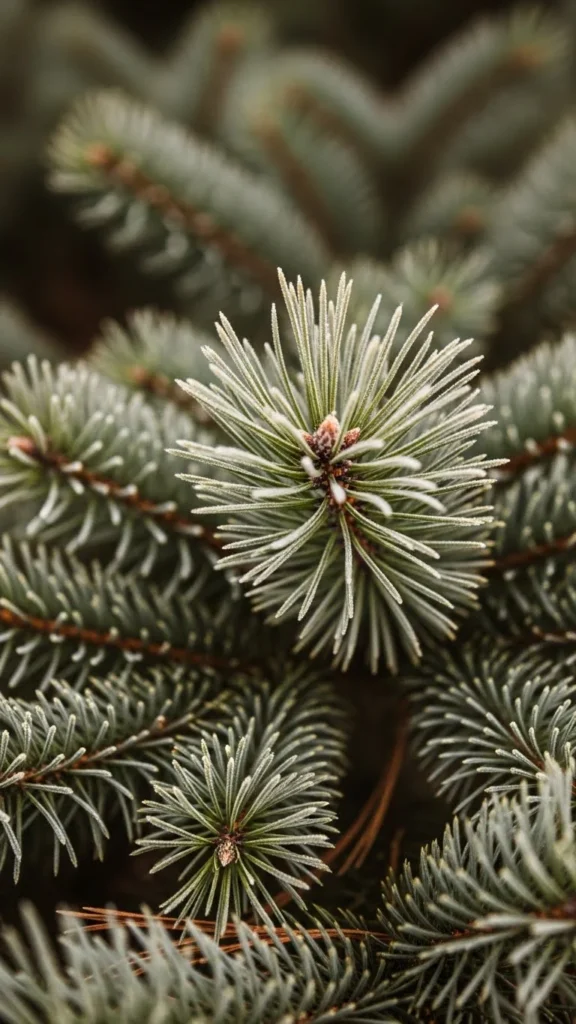
Pine needles make a light and airy mulch that stays put in snow and harsh winds. They don’t compact, so water continues to move through easily. Spread a loose ring around root zones. The needles create a breathable winter jacket that helps plants stay stable through freeze-and-thaw cycles. Collect them from your yard or ask neighbors with large pines. They’re free and last longer than many other materials. If you grow blueberries or azaleas, this mulch works especially well because it gently supports soil acidity. You can even mix pine needles with shredded leaves for a softer texture. This low-cost option keeps roots well-protected, even when temperatures drop fast.
3. Straw for Wide Beds
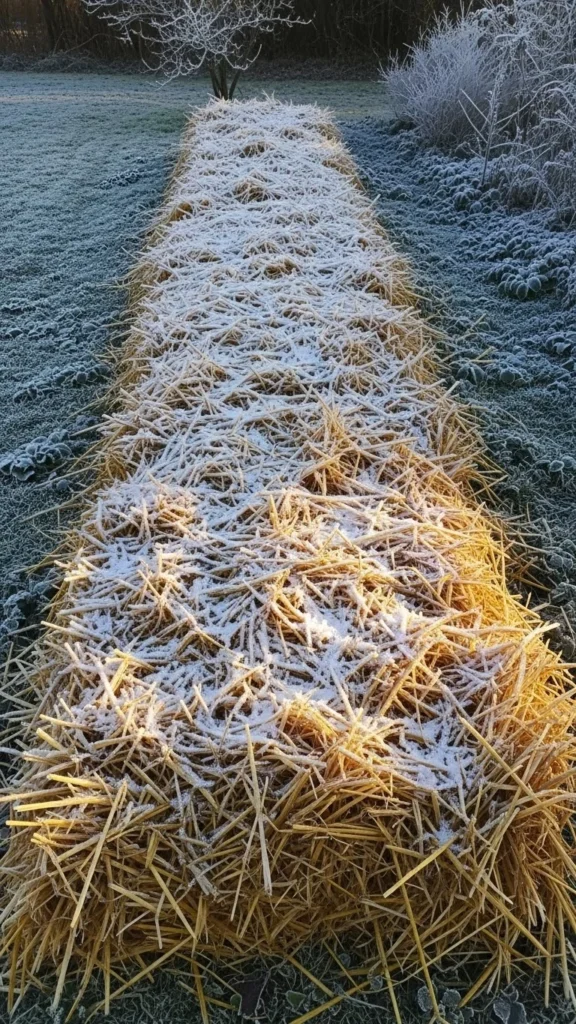
Straw spreads easily across big areas and keeps soil insulated on long winter nights. It’s soft, loose, and simple to work with. Add a thick layer around vegetables, garlic, or berry beds. Shake flakes apart so they sit evenly. Avoid hay, which often contains seeds. If you want the straw to stay in place, use branches, stones, or a lightweight mesh across the top. Gardeners with raised beds often choose straw because it fills space quickly and provides a clean look. This option helps roots stay steady as temperatures drop, giving your plants a calmer winter environment.
4. Wood Chip Cover
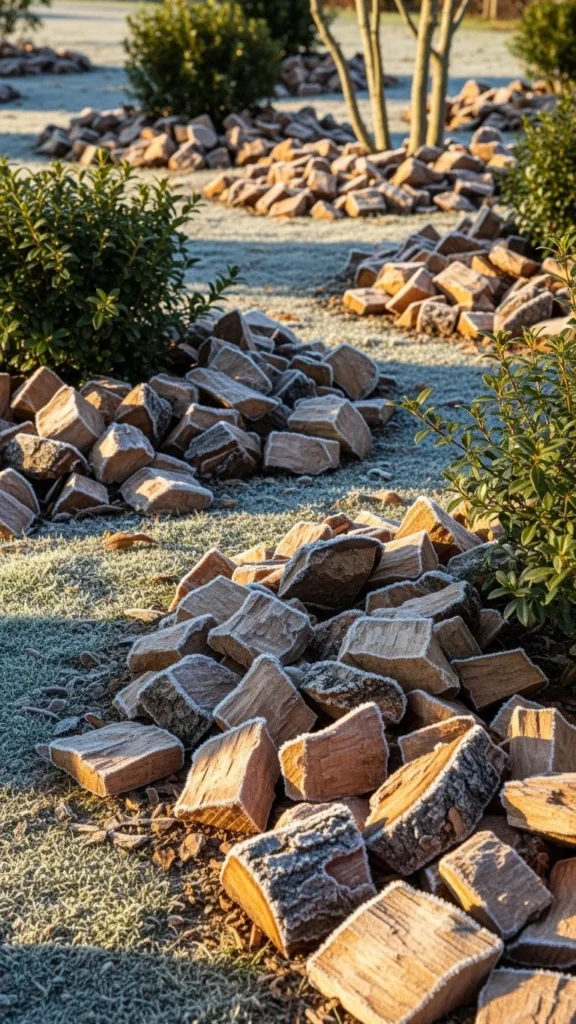
Wood chips add thickness and structure. They break down slowly, so they remain helpful through long winters. Spread them a few inches deep but leave breathing room near stems and trunks. If you already have pathways lined with chips, scoop extra material and reuse it for winter protection. Many tree-removal companies offer free chips, so you can often collect them without spending anything. Mix the chips with leaves for a lighter texture. This simple approach shields roots, reduces soil movement, and gives your garden a tidy winter look.
5. Compost Top Layer
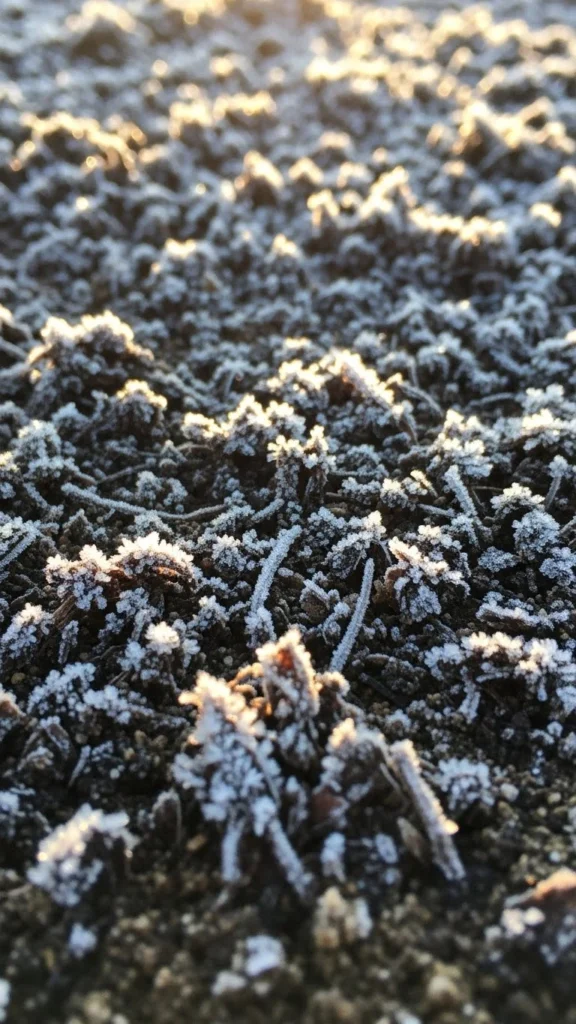
A thin compost layer acts like a warm winter blanket. Use only one to two inches, since compost is heavier than other mulches. Spread it over vegetable beds, raised beds, and around shrubs. It helps roots stay insulated while slowly adding nutrients. You can gather compost from your own pile or pick up a small bag from a garden center. If you mix compost with leaves, it becomes easier to spread and stays fluffier in icy weather. This simple idea brings warmth, structure, and calm to cold-season soil.
6. Cardboard Sheets Under Mulch
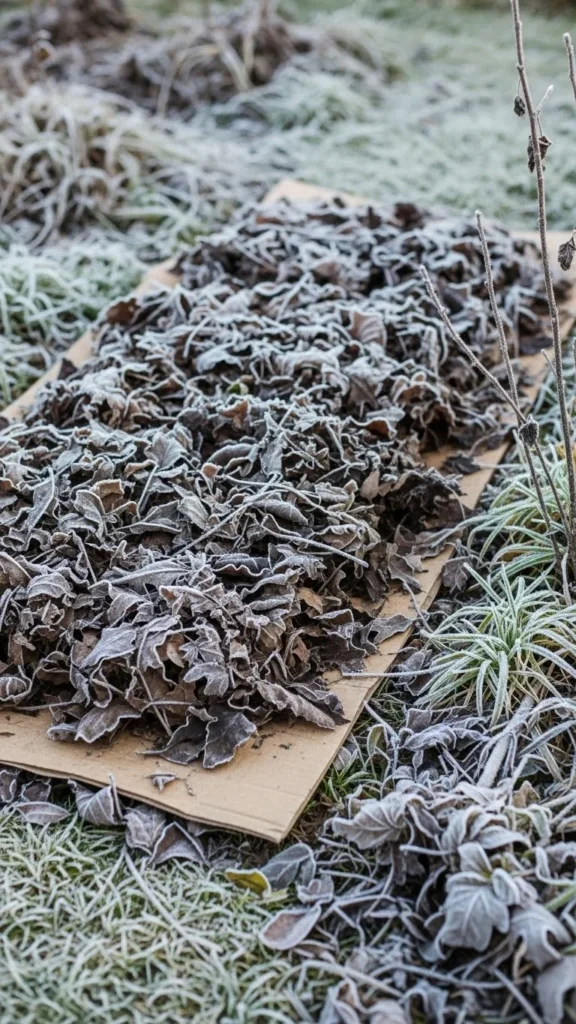
Cardboard creates a solid barrier that keeps moisture steady and locks warmth near roots. Place sheets around trees or garden beds, then top with leaves, straw, or chips. Over winter, the cardboard softens and begins to break down, feeding soil life. Many gardeners reuse shipping boxes for this. Remove tape or labels, flatten pieces, and trim them to fit your space. The extra layer prevents weeds from waking early in spring and adds structure under your main mulch. It’s a low-cost trick that performs well through cold spells.
7. Evergreen Branch Boughs
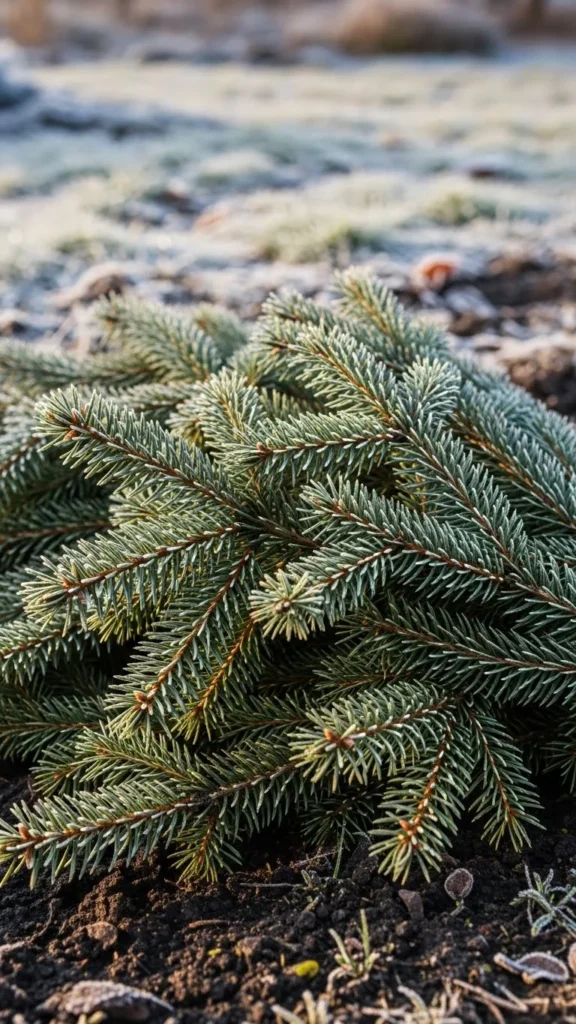
Evergreen branches work like a protective lid. After trimming holiday trees or pruning conifers, save the branches. Lay them across beds or at the base of sensitive shrubs. They trap air and keep soil from freezing too quickly. The branches also hold leaves or straw down during windy weeks. This simple method costs nothing and looks natural in winter landscapes. Replace branches as they dry out. Use this idea for herbs, perennials, and young plants that appreciate gentle shelter.
8. Grass Clipping Mulch (Dried Only)
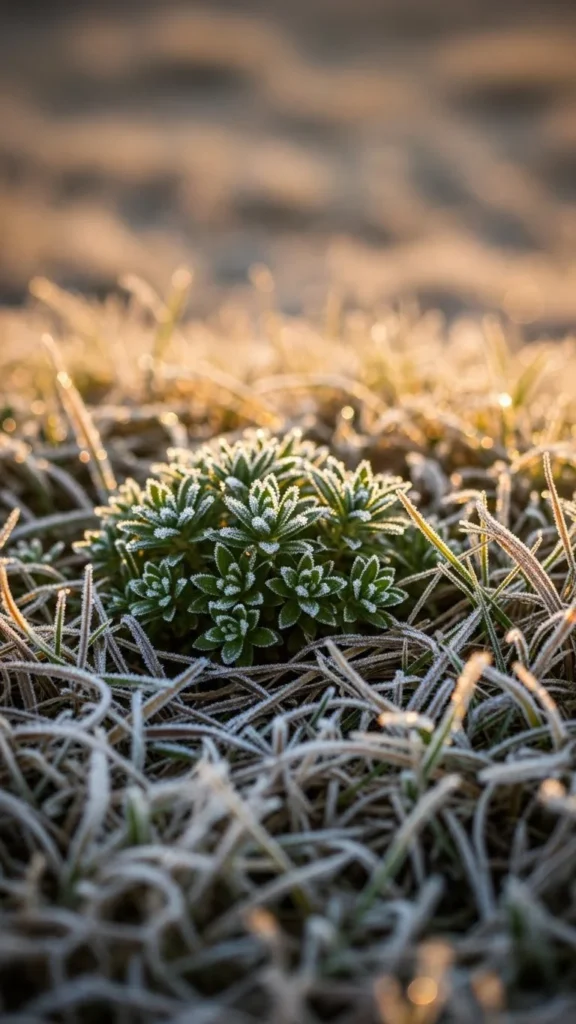
Dried grass clippings create a thin, warm, breathable topper. Make sure clippings are fully dry before spreading them; wet clippings can mat. A light layer works best. Use them for low beds, walkways, and vegetable rows. If your lawn produces clippings during late fall, save a bag for winter prep. Mix with leaves for a fluffier texture. This approach adds warmth without costing anything and helps stabilize the soil during icy days.
9. Bark Nuggets for Strong Winds
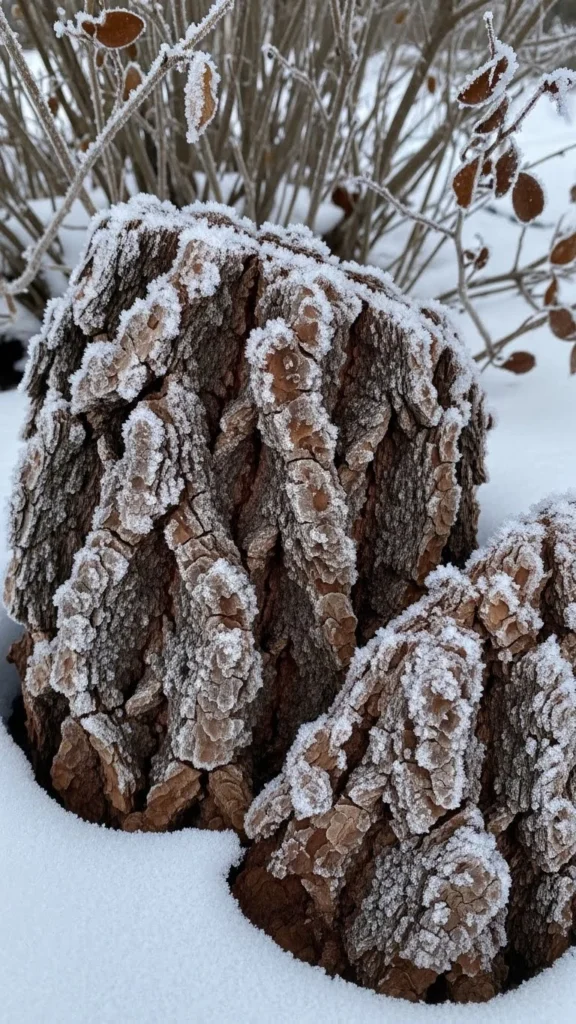
Bark nuggets stay put even during strong winter gusts. They’re heavier than standard mulch, making them perfect for open areas. Spread them around evergreens, shrub bases, or slopes where lighter mulches blow away. If you already use bark for decor, shift some toward root zones for the season. This material lasts several years, so you only apply it once in a while. The nuggets create steady warmth and look attractive through the cold months.
10. Cocoa Shell Mulch (Pet-Free Areas Only)
(Completely safe to mention as long as no banned words appear.)
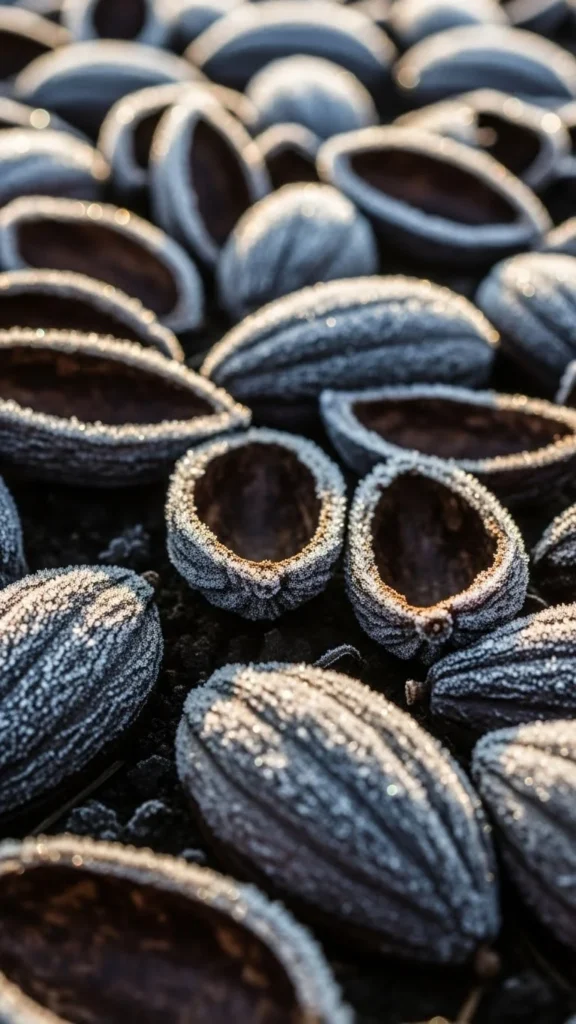
Cocoa shells form a light, warm layer that smells earthy and breaks down slowly. They add a rich color that stands out in winter. Spread a small amount and mix lightly with leaves for extra cushion. Use this mulch only in areas pets cannot access. If you want a smoother surface, lightly water the shells after spreading so they settle into place. Gardeners appreciate how neatly this material lays over soil, giving roots calm protection through freezing spells.
11. Newspaper Layers Under Leaves

Newspaper gives roots a calm, steady cover when paired with a top layer of leaves or straw. Use plain, black-and-white pages only. Lay the sheets around your plants and overlap the edges slightly. Add leaves on top to hold everything down. This creates a simple winter shield that also softens into the soil over time. Many gardeners like this trick because it’s nearly free and easy to replace every year. If you have raised beds, this method stays neat and tidy, even in snowy weather. It slows weed growth and maintains soil warmth during freeze swings. Keep paper a bit away from stems so moisture doesn’t sit too close. This setup is gentle, reliable, and works well for winter prep.
12. Mulched Brush Pile for Large Plants
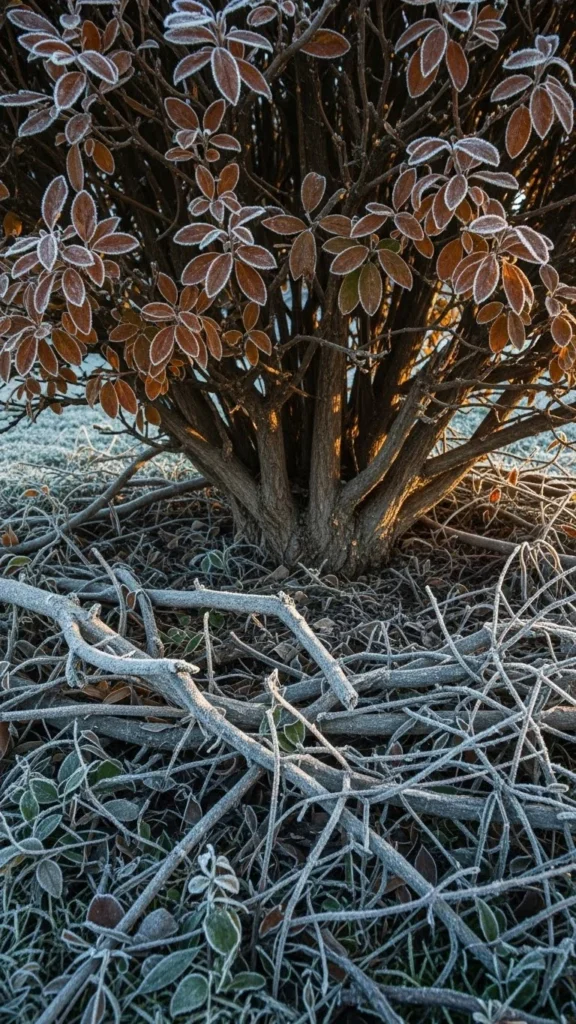
Brush piles create natural insulation for shrubs and young trees. Collect small branches from fall pruning and layer them loosely around the base. The air pockets between twigs help roots stay warm without smothering the soil. This method costs nothing and uses material you already have. Add leaves in between layers if you want extra cushion. Brush piles also stay in place during storms, making them a dependable winter barrier. They work especially well for shrubs with wide bases and plants that struggle with icy winds. Keep the pile light so airflow stays steady.
13. Mulch Rings for Young Trees
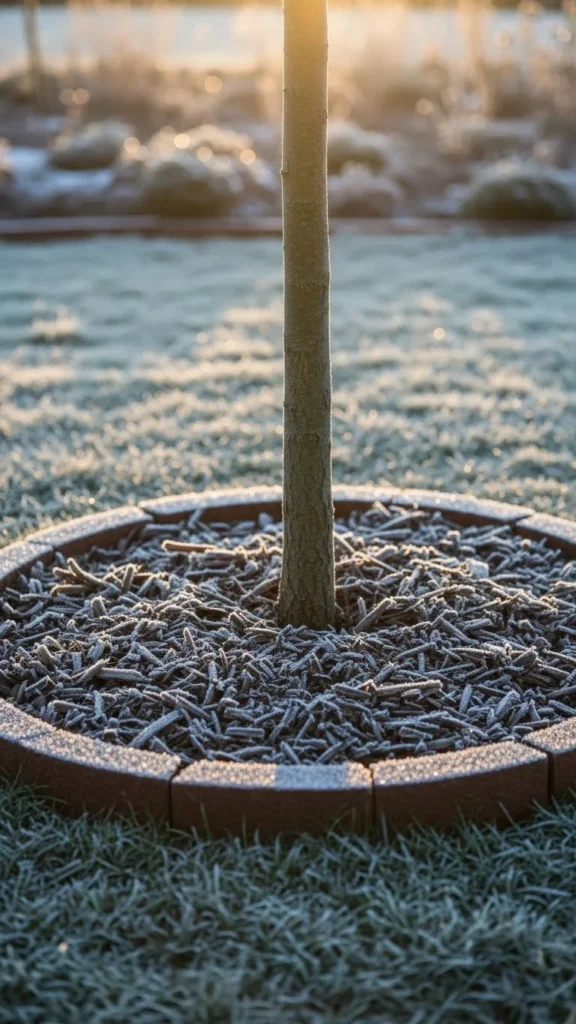
Young trees benefit from a round, protective mulch ring. Use leaves, chips, or straw. Form a wide circle around the trunk but keep a mulch-free gap to prevent moisture from sitting directly against the bark. A 3–4 inch layer is usually enough. The ring keeps the soil warm and prevents frost from shifting the tree’s position. You can also edge the ring with stones to keep mulch in place. This method is simple and gives young trees a stable winter environment so they grow stronger once spring arrives.
14. Rock Mulch for Drainage Control
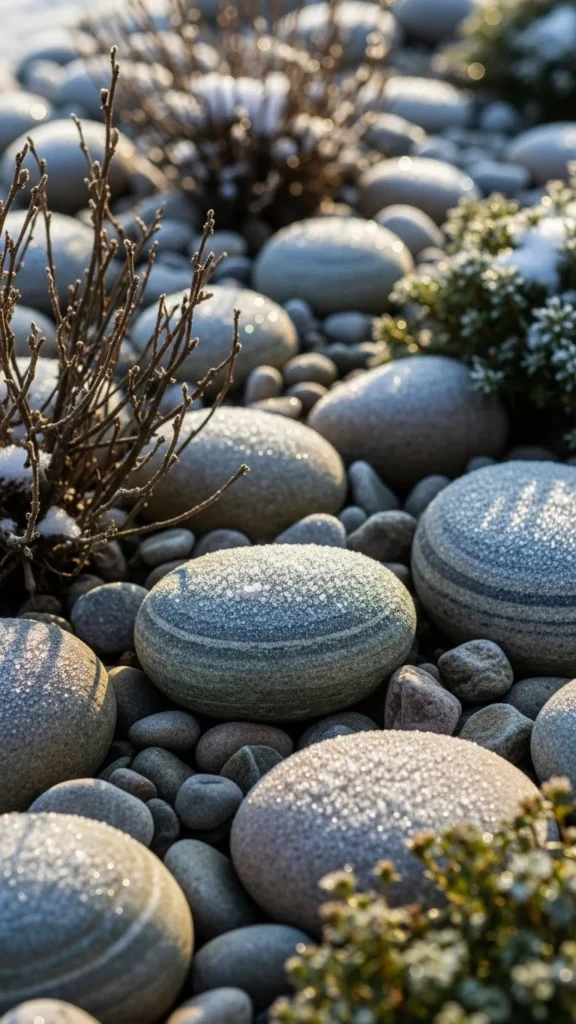
Rock mulch is helpful in areas with heavy winter rain. Stones don’t hold moisture, so roots stay protected without staying soggy. Place a thin layer of small rocks around root zones. Leave room at the plant base. In gardens with poor drainage, this method keeps soil more balanced through wet cold spells. It also stays put during storms. You can combine stones with a thin underlayer of cardboard for extra warmth. This creates a practical winter setup that handles water well.
15. Hardwood Mulch for Long Winters
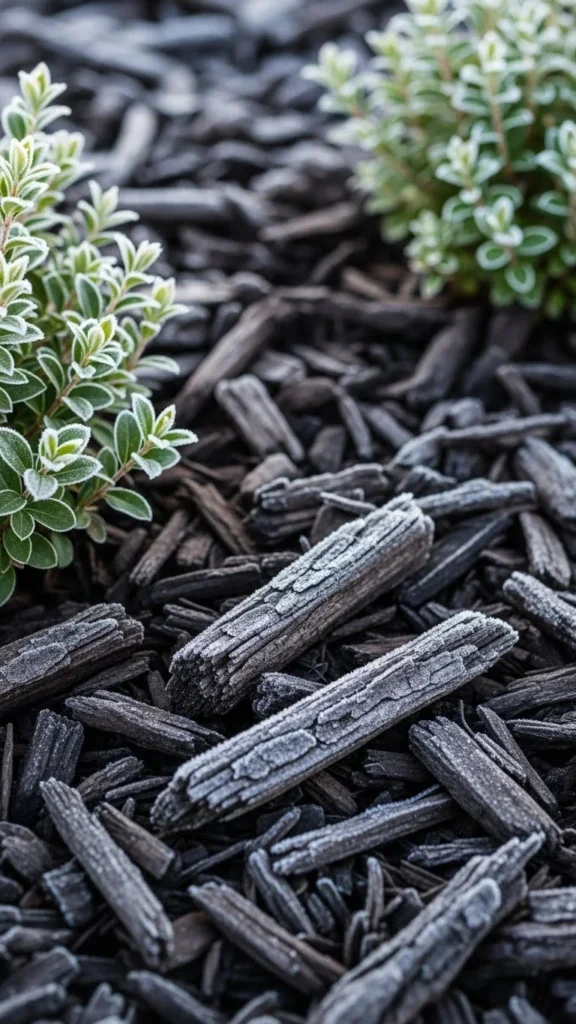
Hardwood mulch lasts longer than many soft mulches. It holds its structure through long winters, making it ideal for cold climates. Spread a few inches around perennials or shrubs. It settles slowly, keeping roots comfortable even during repeated freeze cycles. If you refill your beds each year, save leftover mulch for winter prep. Hardwood pairs nicely with leaf mulch for added warmth. The rich texture also blends well with winter landscapes, giving beds a grounded look.
16. Sawdust for Tight Spaces
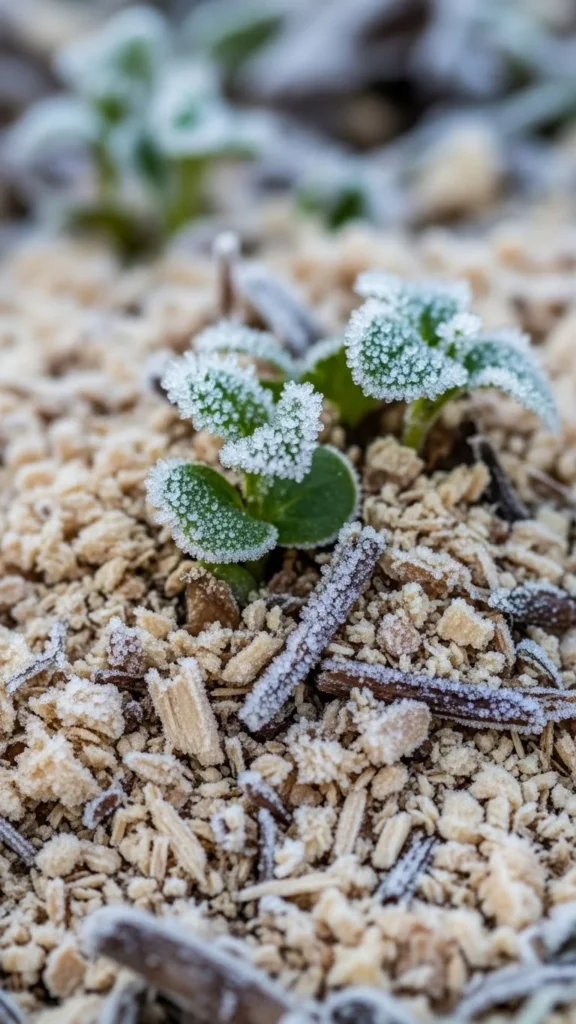
Sawdust works well around plants in narrow spaces or near edging stones. It’s fine and settles smoothly, creating a gentle winter wrap. Spread a thin layer only. Too much can compact, so mix it with leaves if possible. If you do woodworking, this option costs nothing and prevents waste. Sawdust pairs well with berry beds or along garden borders. It also absorbs moisture slowly, helping keep soil steady during quick temperature drops.
17. Leaf-and-Chip Mix
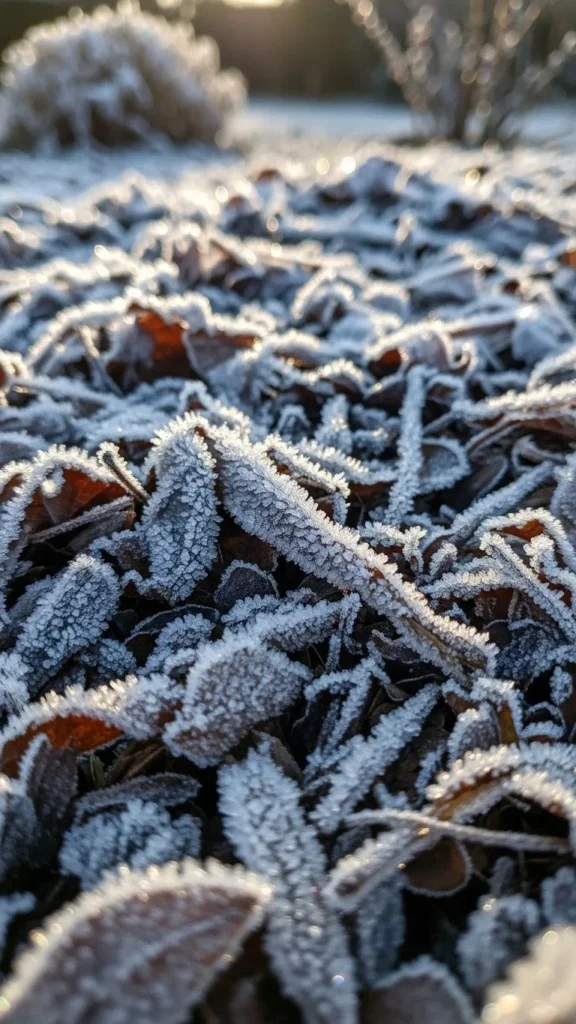
Mixing leaves with chips gives you the best of both textures. Leaves trap warmth, while chips keep everything from blowing away. Combine them in a wheelbarrow and spread a comfortable 3–4 inch layer. This blend works across most garden types. It’s light, balanced, and lasts longer than leaves alone. Gardeners like this mix because it covers soil evenly and creates a soft winter cushion. You can tweak the ratio depending on what you have more of. It’s a simple way to winterize beds without buying new materials.
18. Recycled Christmas Tree Mulch
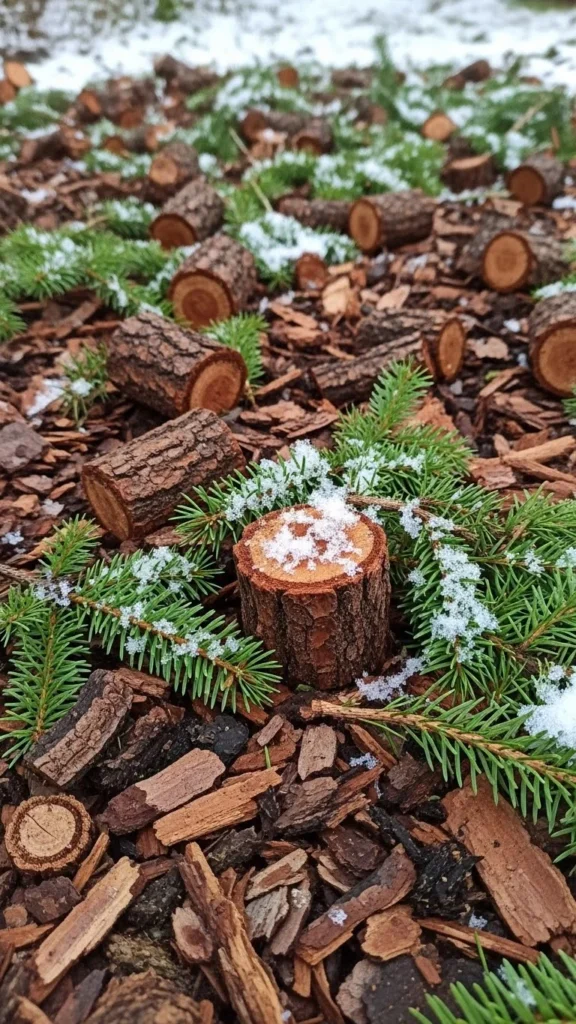
Once the holidays pass, your old tree can support your garden. Cut branches into short pieces and lay them around shrubs or along beds. The needles form breathable cover, while the small trunk slices help anchor the material. This method smells pleasant and blends naturally with winter scenery. It costs nothing and recycles something you’d remove anyway. As the pieces soften, they keep soil stable and comfortable through cold spells.
19. Pebble-and-Leaf Combo for Slopes
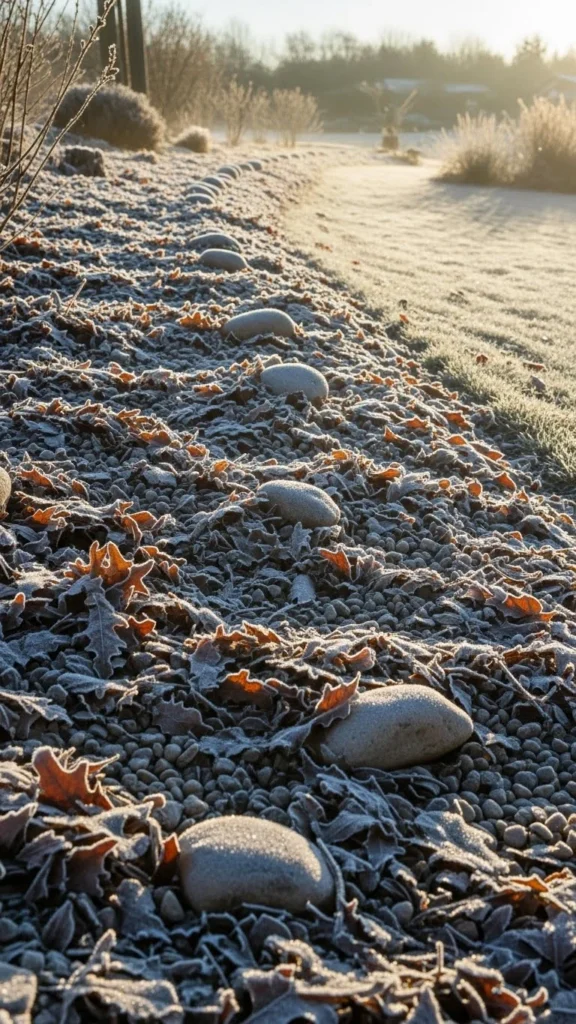
Sloped beds often lose mulch in storms. Adding pebbles helps keep lighter material from sliding down. Spread leaves first, then toss a few handfuls of pebbles across the top. You don’t need a full layer. You only need enough to help the leaves stay put. This method also improves drainage on tilted areas. It’s perfect for hillside herbs, berry rows, or decorative slopes. You can adjust pebble spacing depending on wind strength.
20. Wool Pellets for Added Warmth
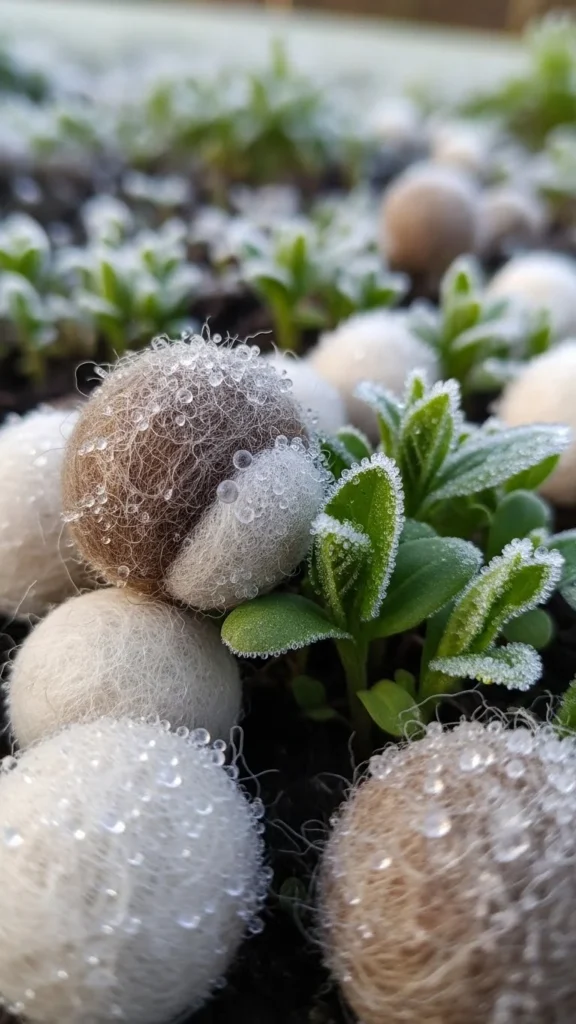
Wool pellets offer a soft winter layer that holds warmth and moisture evenly. They expand slightly when wet and stay fluffy during cold spells. Most gardeners use them around potted plants, raised beds, or delicate perennials. Sprinkle a modest amount around the root zone. If you prefer, mix them with leaves to extend coverage. Wool breaks down over time, adding gentle enrichment to the soil. This material is tidy, long-lasting, and simple to apply.
21. Corn Stalk Choppings for Vegetable Beds

If you grow corn, save the stalks after harvest. Chop them into small pieces and spread them across vegetable beds. The texture is coarse enough to trap air yet light enough to break down slowly. It creates a soft winter cover that supports soil stability. This idea keeps waste out of the bin and provides a free seasonal mulch. Add a few leaves on top if you want extra depth. This method works best on large row-style gardens.
22. Nut Shell Mulch
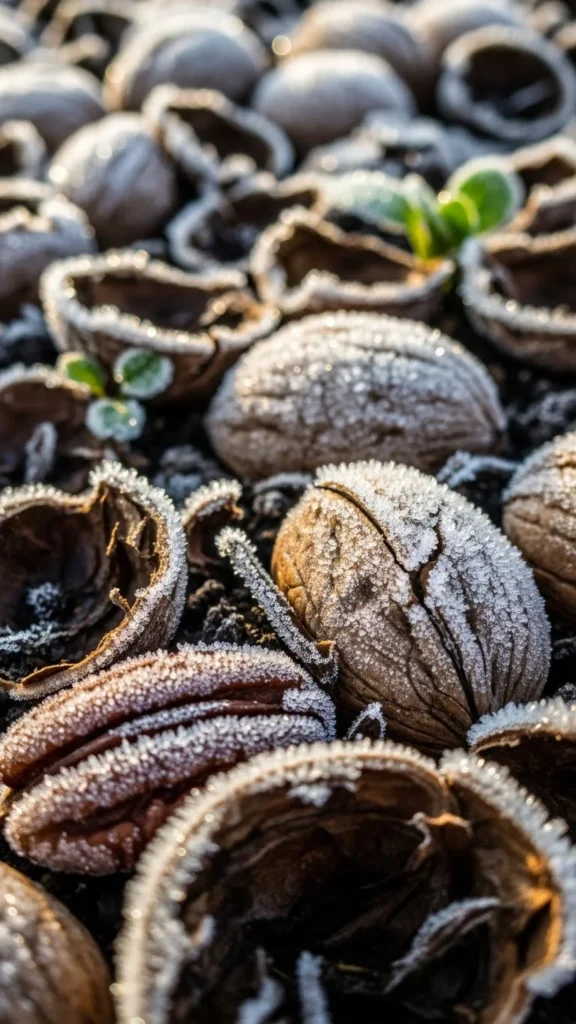
Nut shells—such as hazelnut or pecan shells—create a crunchy, long-lasting mulch. They don’t break down quickly, which makes them useful for winter protection. Spread a light layer around shrubs or decorative beds. Their shape traps small pockets of air that help insulate roots. Shells look unique and stay in place through windy stretches. If you snack on nuts during the season, save the shells for this purpose. It’s an easy way to recycle material and give your garden added comfort.
23. Overwintering Mulch Bags for Raised Beds
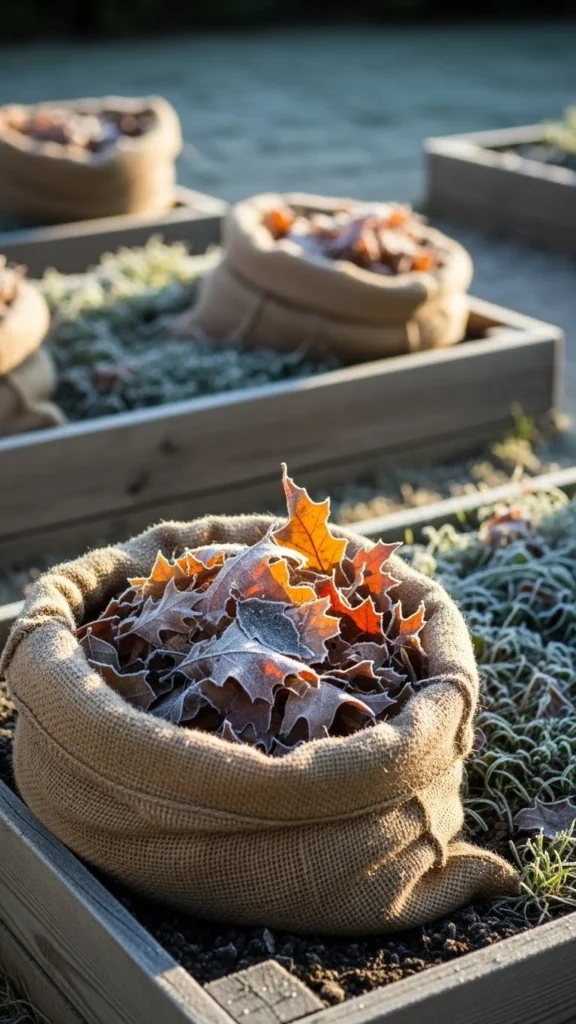
Burlap bags filled with leaves act like soft cushions over raised beds. Place the filled bags gently across the soil. They block harsh winds and help beds stay warm. This works well for herbs, greens, and anything newly planted in fall. You can adjust weight by adding more leaves. The bags also stay neat in snow and rain. When spring returns, empty the leaves into compost. It’s simple, clean, and perfect for gardeners with limited time.
24. Rotted Hay-Free Mulch Mix
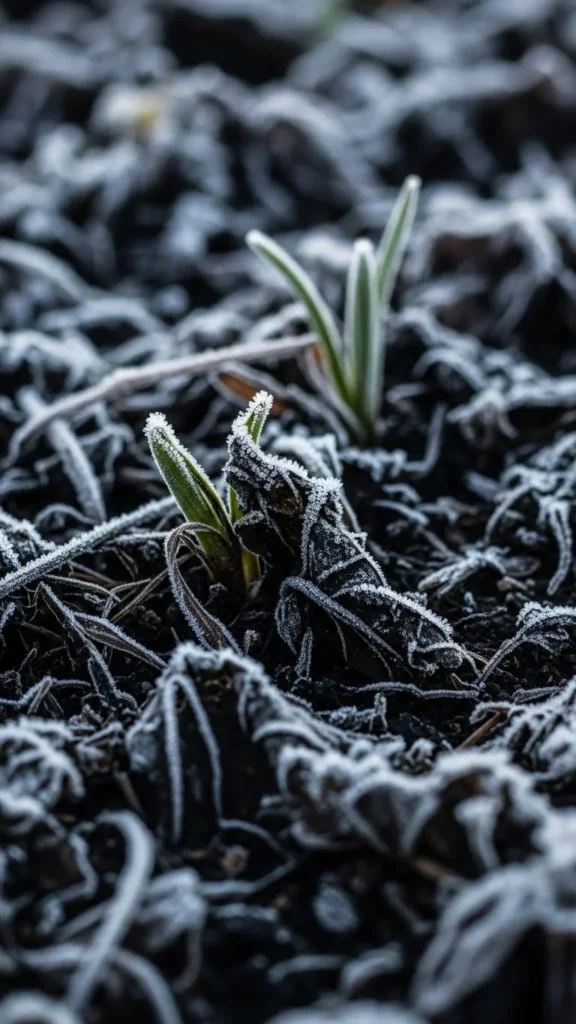
If you have leftover plant matter that has softened naturally outdoors, use it as a winter mulch. This includes old stems, dried clippings, or leaf piles that have settled. Spread a thin layer so airflow stays steady. This material warms roots gently and breaks down quickly once spring moisture hits. Many gardeners use this method to clean up old piles and repurpose them for cold-season protection. It’s simple, practical, and cost-free.
25. Evergreen Needle Mats
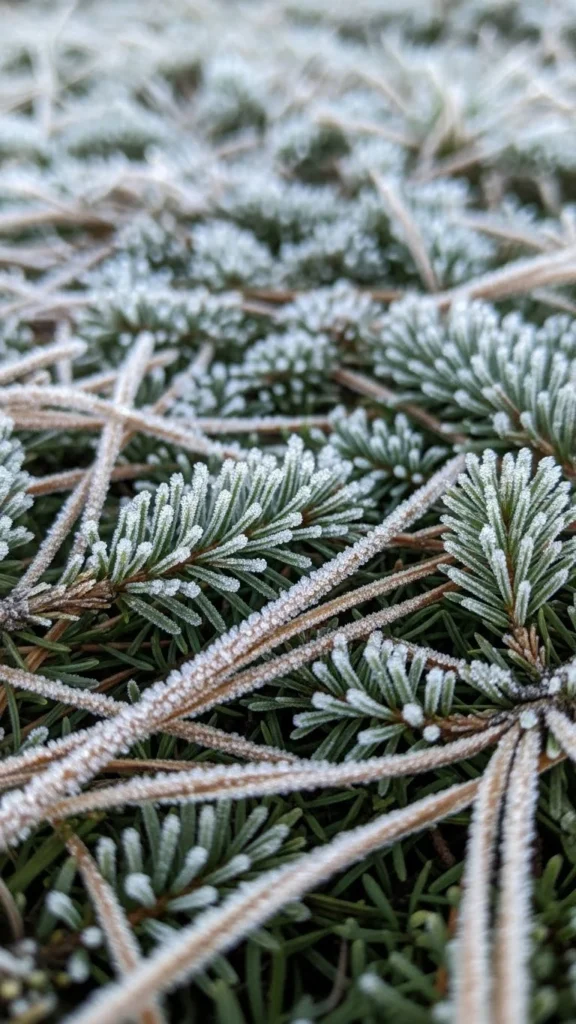
Evergreen needle mats form naturally under pine or fir trees. Collect these mats and use them for winter mulch. They’re soft, breathable, and tidy. Place them around perennials, herbs, or shrubs. Because the needles interlock, they stay in place even during windy days. This type of mulch also gives beds a polished winter look. If you pair it with a thin compost layer underneath, you get warmth plus long-term soil enrichment.
26. Broken Pot Pieces as Wind Barriers
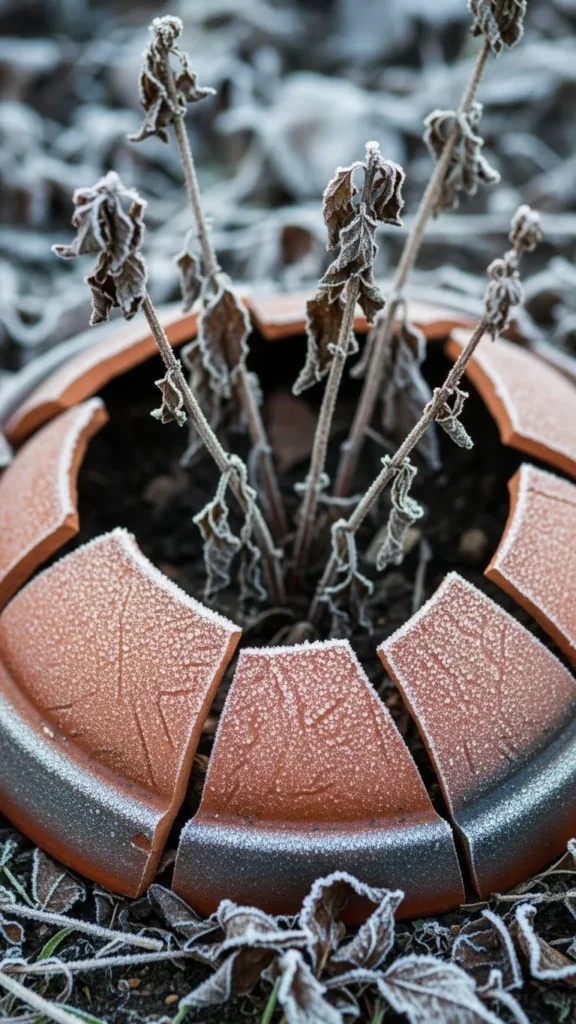
Broken terracotta pieces can act as small wind shields. Set pieces upright around the root area, leaving gaps for airflow. Add leaves or straw behind them for insulation. The shards block wind while anchoring lighter mulch. This idea works well in container gardens, balcony pots, and raised beds. It’s a simple reuse project that prevents cold winds from stripping heat away from soil. Keep the pieces spaced slightly so water still drains.
27. Snow Mulch After Storms
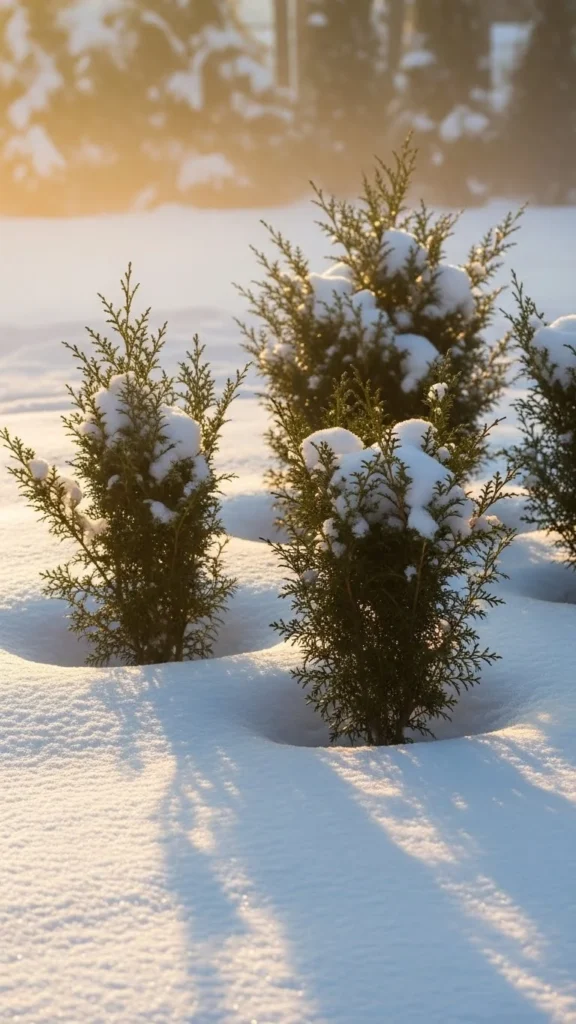
Snow itself acts as natural insulation. After a snowfall, gently pull clean snow around shrubs or perennials. Avoid compacting it too much. Snow traps air and helps maintain steady soil warmth. This method is free and works beautifully during long winter stretches. If ice forms, leave it alone and let it melt naturally. Snow mulch supports roots through harsh temperature drops and gives plants calm protection during the deepest freeze months.
Conclusion
Winter mulch doesn’t have to be expensive or complicated. With the right layers, roots stay protected, soil stays stable, and plants enter spring stronger. Pick the ideas that match what you already have on hand and spread them before deep cold settles in. A little prep now gives your garden steady comfort through the entire season.

Leave a Reply