

Winter doesn’t mean your garden has to sleep. With a few smart moves, you can keep plants healthy, soil active, and your green thumb busy even in the cold months. These practical, affordable winter gardening tips will help you protect your plants, prep for spring, and make the most of the season — even when temperatures drop.
1. Start with Mulching Magic
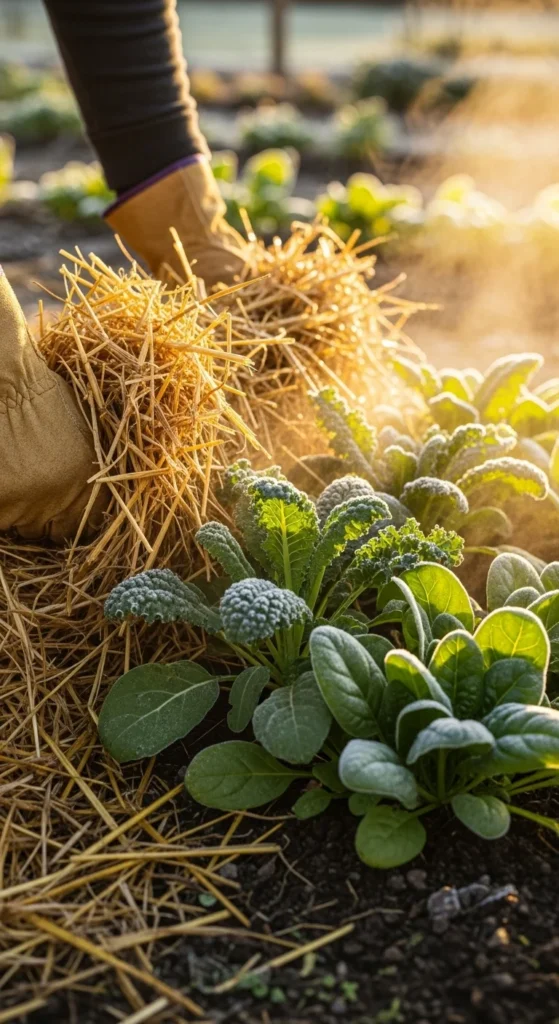
Mulch is your garden’s winter blanket. Add 2–4 inches of straw, leaves, or compost around your plants. It helps keep the soil temperature steady and prevents roots from freezing. You can even use shredded cardboard for extra insulation. Avoid piling mulch directly against stems — leave a small gap to stop rot. Come spring, just mix the mulch into the soil for added nutrients. Simple and budget-friendly.
2. Use Frost Cloths and Covers

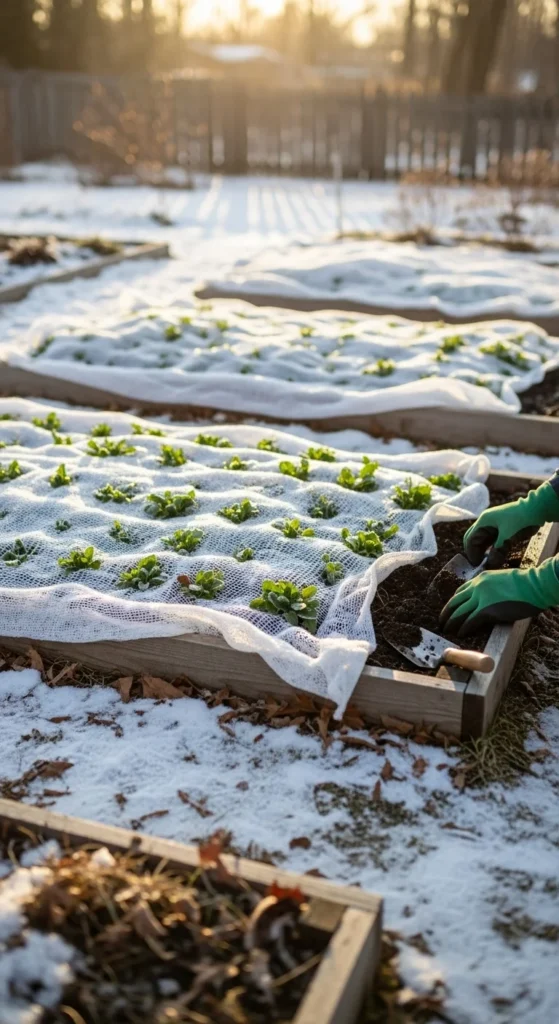
Protect plants with frost cloths, old bedsheets, or burlap sacks. Drape them loosely over plants before sundown when frost is expected. It traps ground heat and saves delicate crops like lettuce and herbs. Use rocks or stakes to secure corners. Avoid plastic, as it traps moisture and burns leaves when sunlight returns. Reuse covers all season for low-cost protection.
3. Water Before Frost Hits
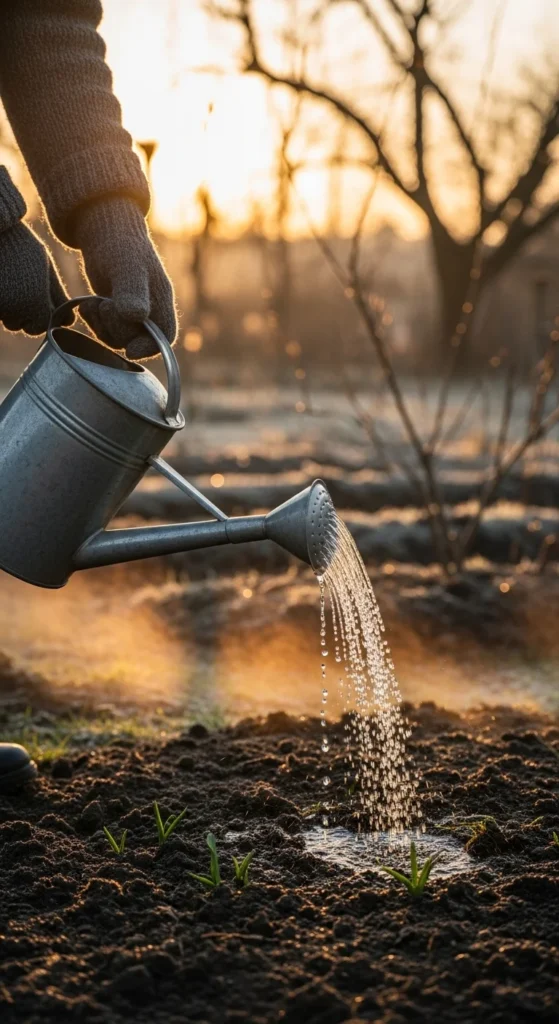
Moist soil retains warmth better than dry soil. Water your garden early in the day before a frost. It creates a mini heat reservoir that protects roots overnight. Avoid soaking the ground — aim for damp, not soggy. Focus on perennials and container plants. Keeping soil hydrated helps microbes stay active too, which improves spring growth.
4. Create a Mini Greenhouse
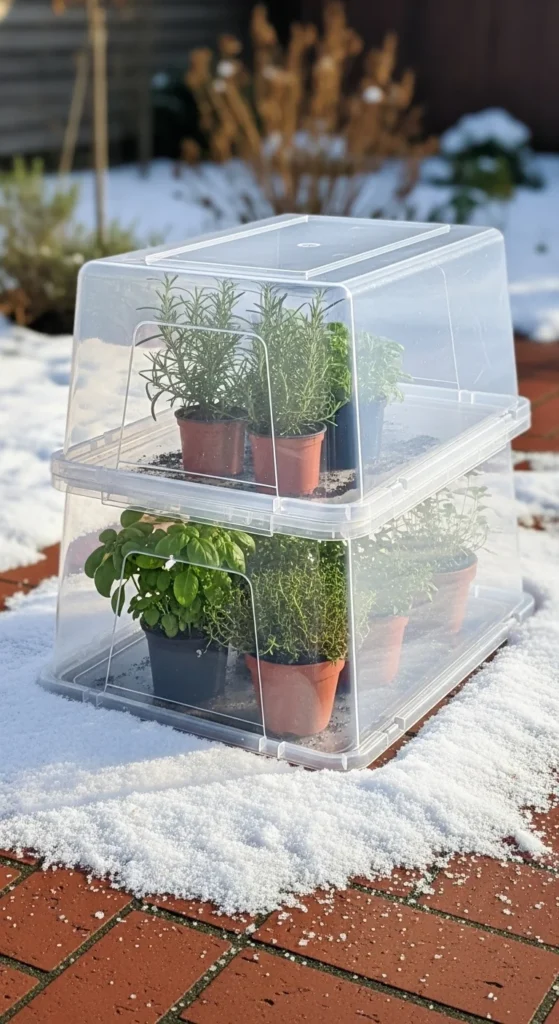
Use clear plastic bins or old windows to build a mini greenhouse. Place it over raised beds or pots to trap sunlight and warmth. Even a simple PVC frame wrapped in clear plastic works wonders. Open it slightly on sunny days to prevent overheating. This setup lets you grow hardy greens like spinach, arugula, or parsley throughout winter.
5. Bring Potted Plants Indoors
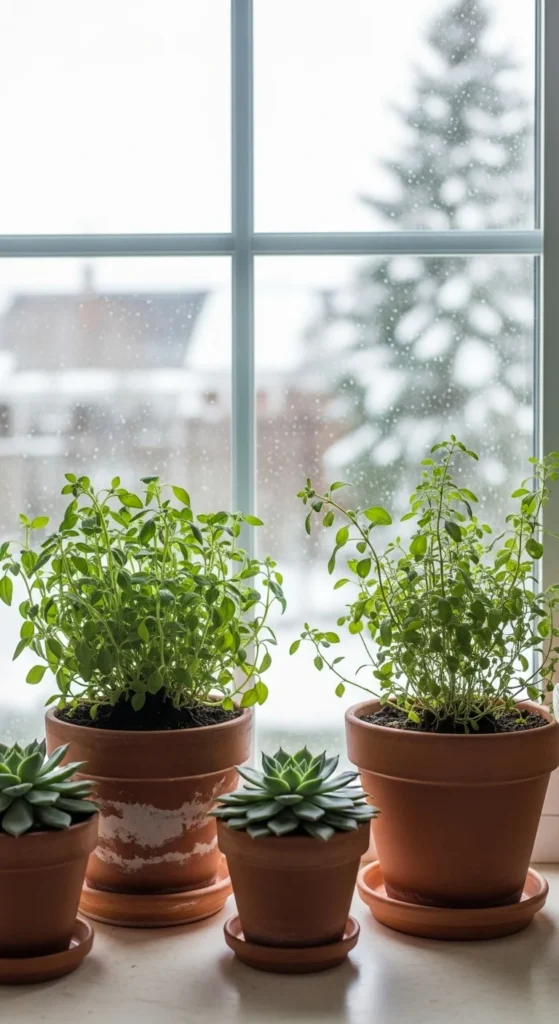
Before the first frost, bring potted herbs and tropical plants inside. Choose a sunny window and water lightly. Use saucers to catch runoff. Trim yellow leaves and check for pests before moving them. If sunlight is weak, use an LED grow light. You’ll enjoy fresh greenery indoors all winter without spending extra on decor or groceries.
6. Compost Even in the Cold
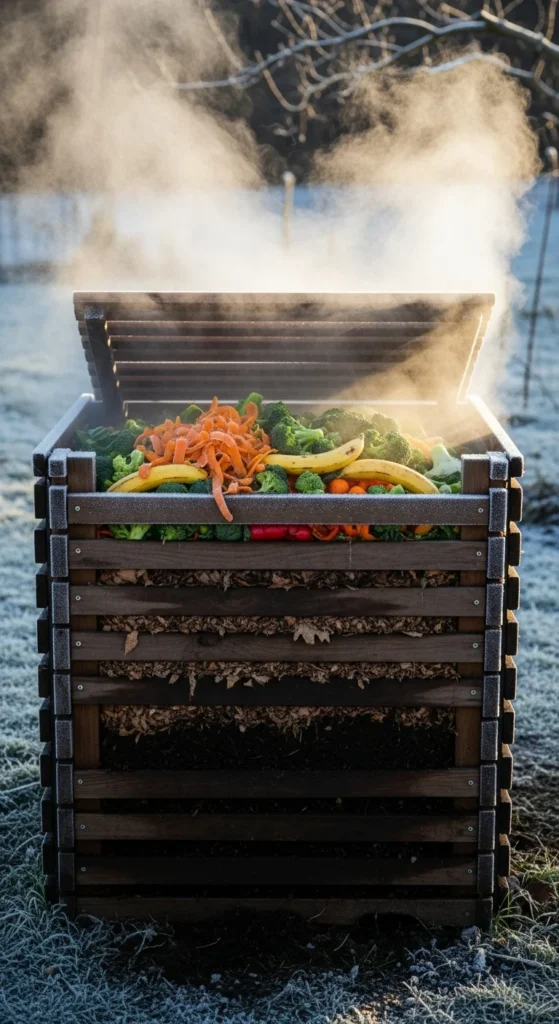
Cold weather slows decomposition but doesn’t stop it. Keep compost active by layering kitchen scraps, dry leaves, and soil. Turn the pile every few weeks to help it breathe. Add shredded newspaper or cardboard for balance. Cover it with a tarp to keep warmth in. By spring, you’ll have rich compost ready to feed your garden.
7. Grow Microgreens Indoors
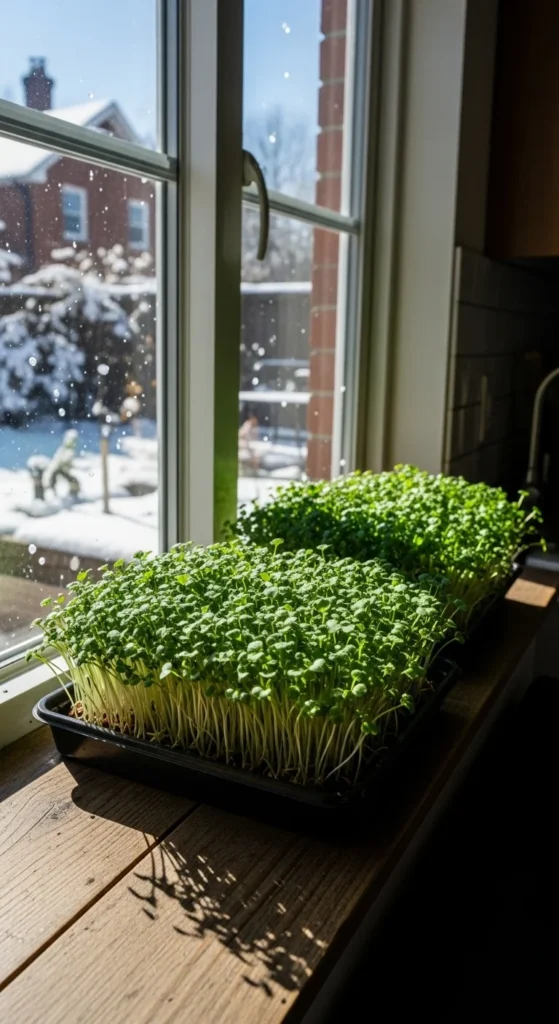
Microgreens are fast, space-saving, and easy. Fill a shallow tray with potting soil, scatter seeds like radish, kale, or mustard, and keep moist. You’ll harvest in just 10–14 days. Place trays near windows or under small grow lights. They add color, flavor, and nutrients to winter meals — all from your countertop.
8. Keep Tools Clean and Sharp
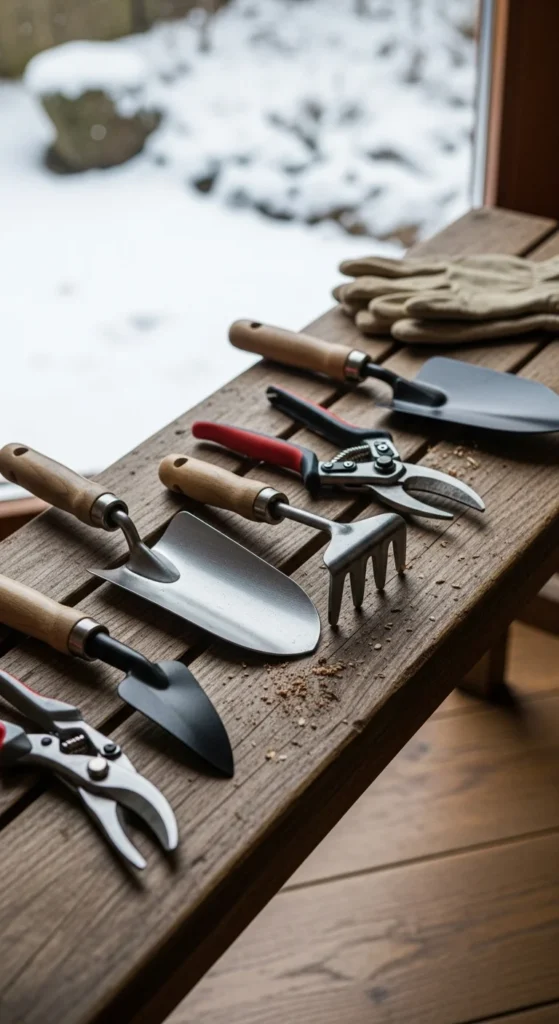
Winter is perfect for maintenance. Wash off soil, dry tools, and apply light oil to prevent rust. Sharpen pruners and spades using a basic sharpening stone. Store everything in a dry place. You’ll extend the life of your tools and save money by avoiding replacements. Come spring, you’ll be ready to dig right in.
9. Plant Cold-Hardy Veggies
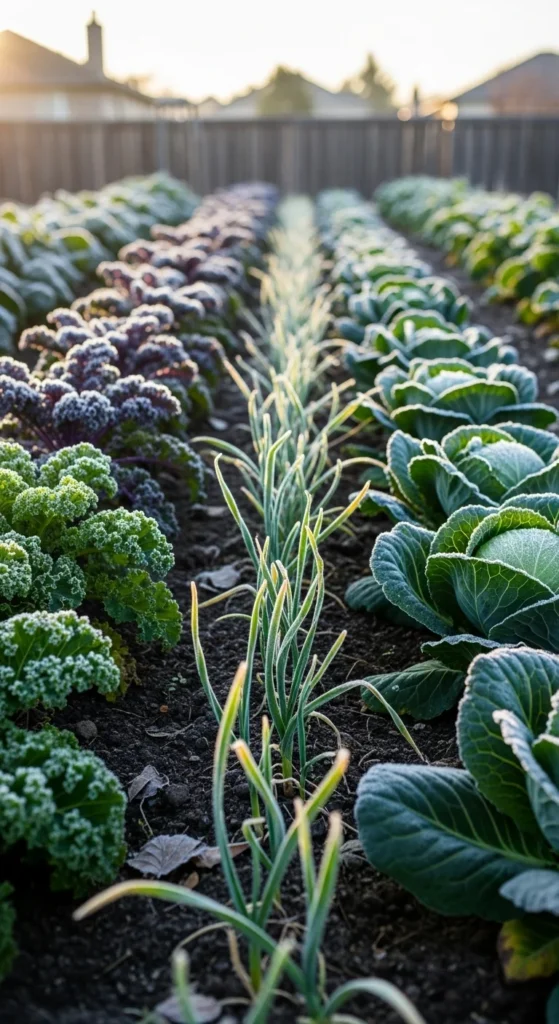
Some veggies love the chill. Try planting garlic, kale, carrots, and spinach. These crops handle low temperatures well and even taste sweeter after frost. Cover them with mulch or low tunnels to stretch their growing season. Choose local seed varieties known for cold tolerance for the best results.
10. Use Raised Beds for Warmth
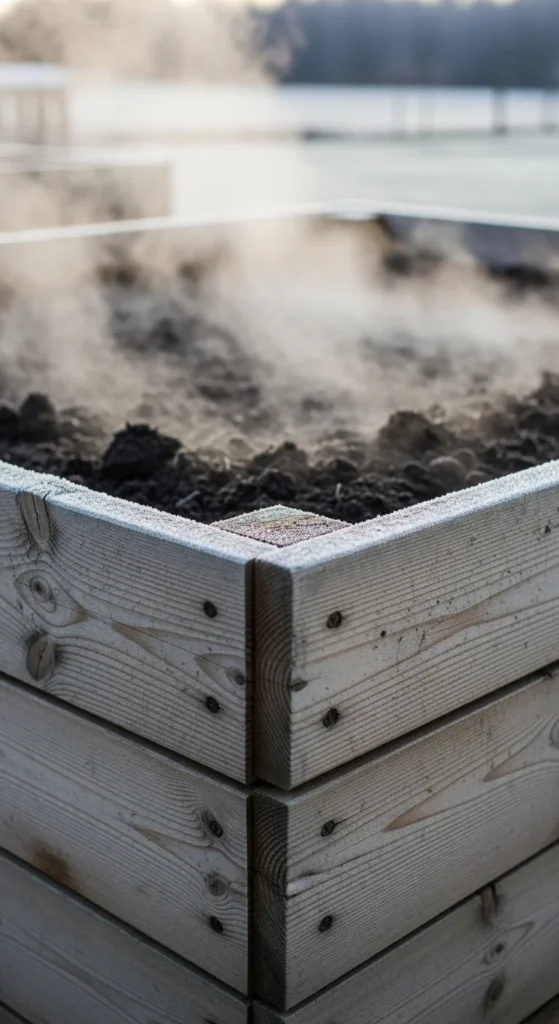
Raised beds warm faster than ground soil and drain better in winter rain. Add organic matter like compost to keep the soil active. Use old bricks or reclaimed wood to build one on a budget. Even a small raised bed helps you extend growing time by a few crucial weeks.
11. Save Seeds for Next Year

Collect seeds from your healthiest plants before deep winter hits. Dry them completely and store them in paper envelopes or glass jars in a cool, dark place. Label with the variety and date. It’s free, sustainable, and satisfying. You’ll have a ready stash of seeds for next season without spending extra.
12. Add Bird Feeders for Natural Pest Control
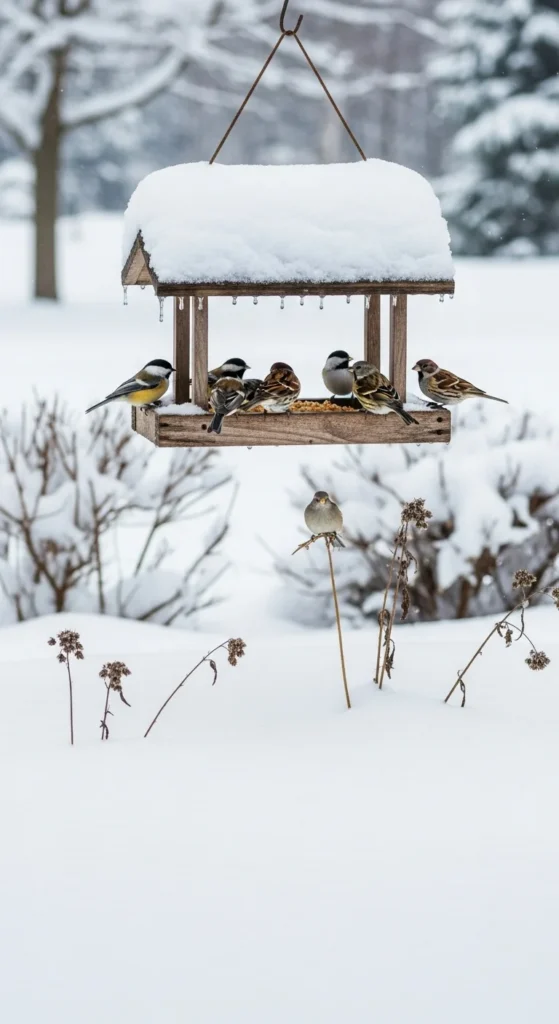
Birds love winter gardens — and they’ll eat lingering pests. Hang bird feeders or suet cakes near your garden. Use recycled wood or bottles to make DIY feeders. Keep them stocked and clean. Birds add life to the garden while naturally reducing insect eggs and larvae. It’s a win-win.
13. Wrap Trees and Shrubs
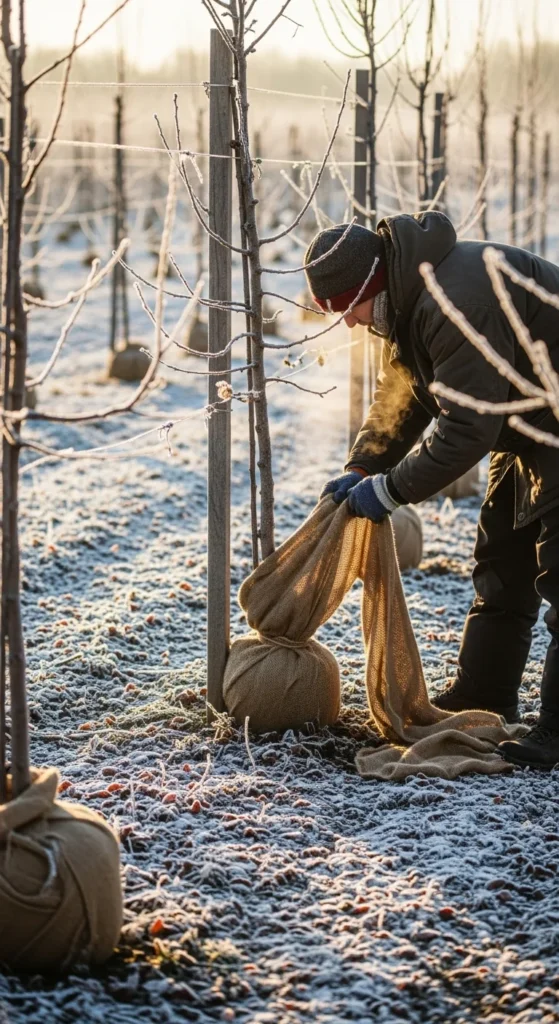
Protect young trees and shrubs from windburn and frost cracks by wrapping trunks with burlap or tree wrap. Secure it loosely with twine. Add mulch around the base for root insulation. Unwrap once spring temperatures stabilize. It’s a small step that saves years of growth.
14. Grow Herbs on a Windowsill
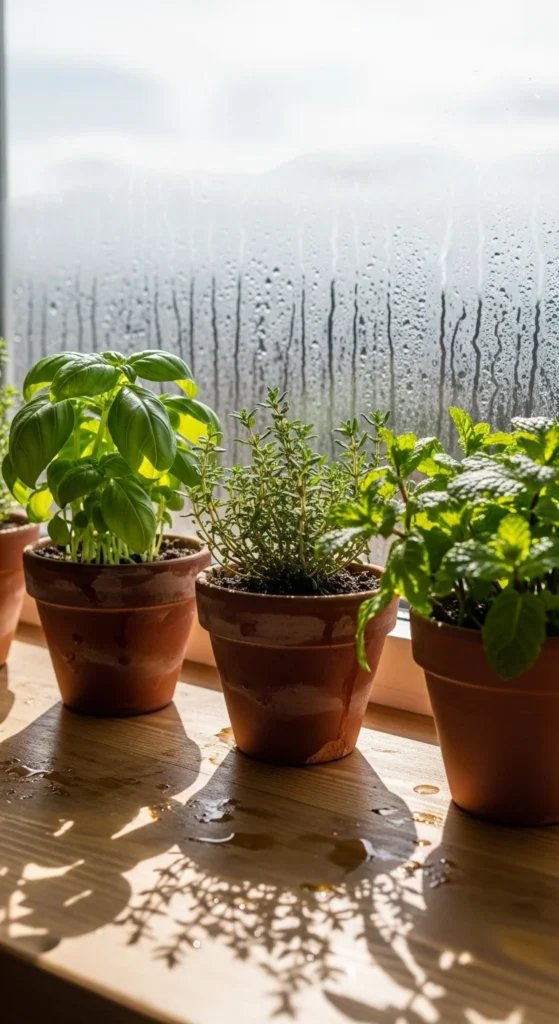
A sunny window can be your winter herb garden. Use small pots with drainage holes. Choose herbs like chives, thyme, and parsley. Water when the top soil feels dry. Rotate pots weekly for even light. Fresh herbs keep your kitchen fragrant and your cooking flavorful — all winter long.
15. Build a Cold Frame
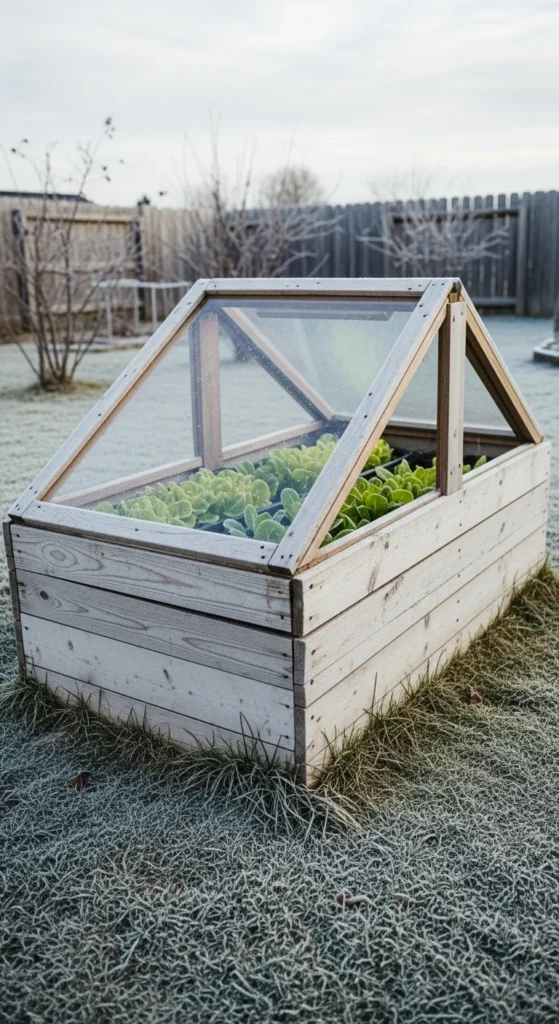
Cold frames are like mini greenhouses on the ground. Use an old window or clear lid on a wooden box. Place it over seedlings or greens. It traps sunlight and warmth, protecting plants from frost. Vent it on sunny days to prevent mold. A low-cost project with big results.
16. Keep Leaves as Insulation
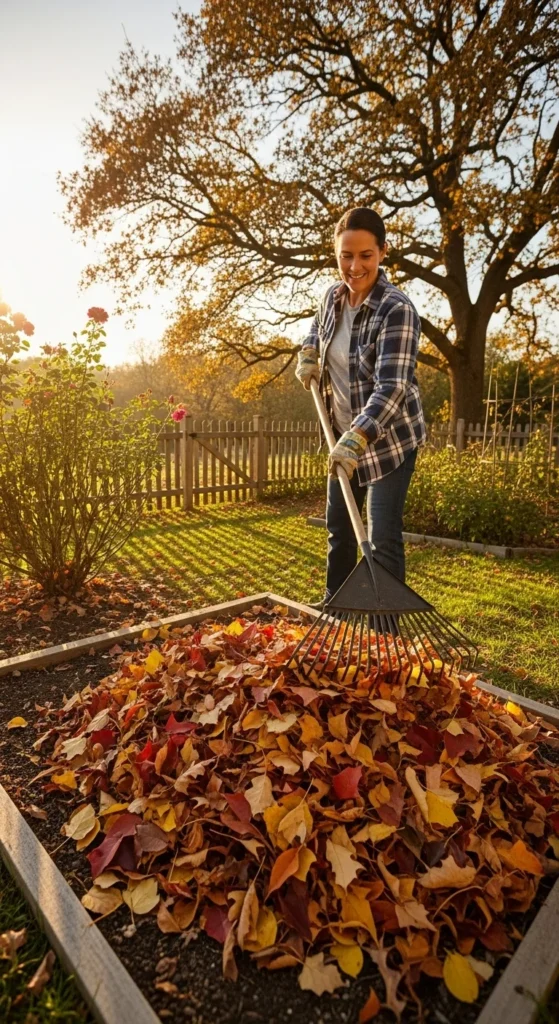
Instead of bagging leaves, pile them over dormant garden beds. They create natural insulation, preserve soil moisture, and feed earthworms. Chop them up first for faster breakdown. By spring, they’ll turn into soft, nutrient-rich humus your plants will love.
17. Rotate Your Garden Plan
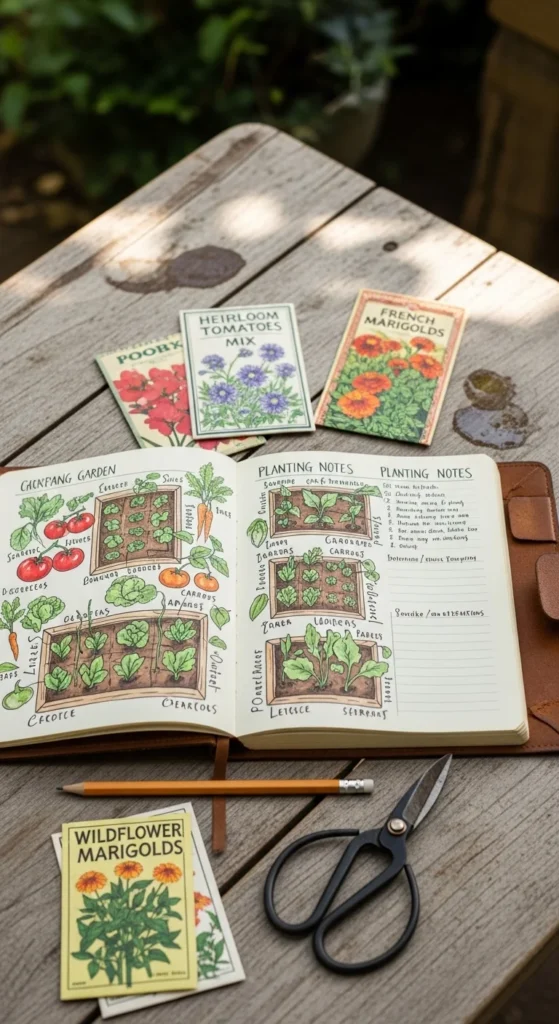
Use winter downtime to plan your next planting rotation. Avoid planting the same crops in the same bed twice to reduce soil fatigue and disease. Sketch your layout, note what worked, and plan improvements. It’s a quiet, satisfying indoor gardening task.
18. Keep Pathways Clear
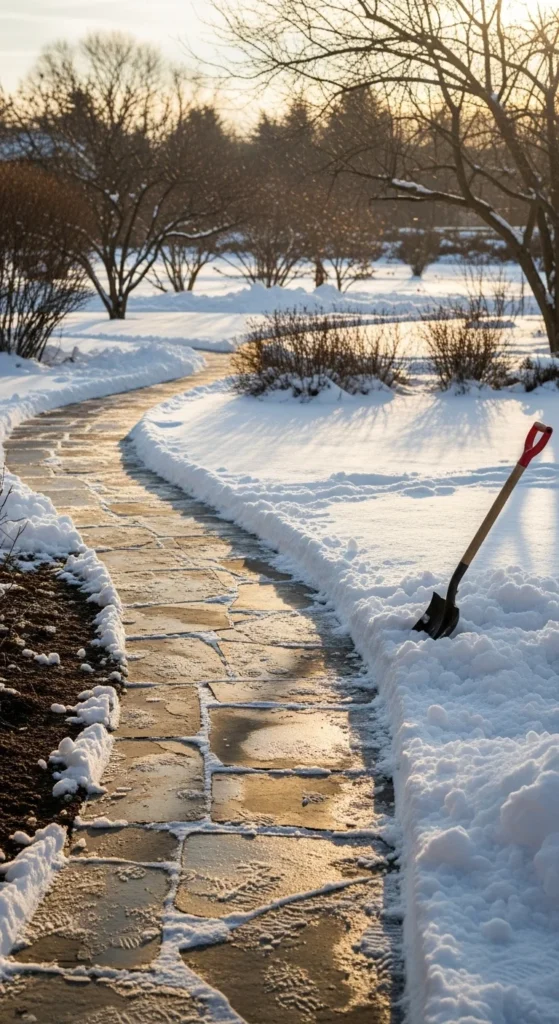
Shovel or sweep snow off garden paths and driveways to avoid compaction. When snow melts, compacted areas stay soggy longer. Use sand or ashes for traction instead of salt, which can harm soil and plants. Keeping paths tidy makes your winter garden safer and more welcoming.
19. Prune Dormant Plants
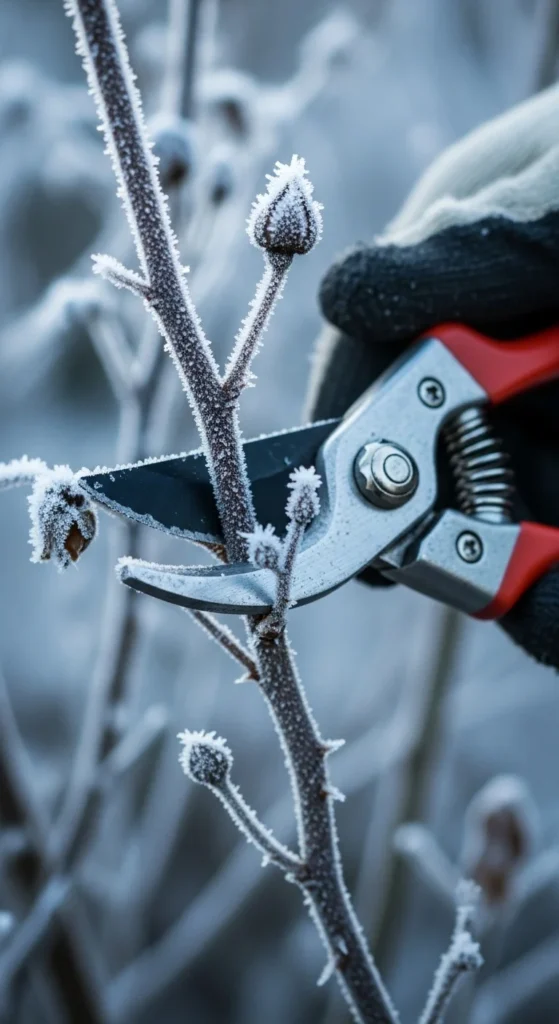
Winter pruning helps shape shrubs and fruit trees before new growth starts. Use clean, sharp tools and cut just above buds. Remove dead or crossing branches. Avoid pruning spring bloomers until after they flower. The garden looks neat, and plants grow stronger later.
20. Feed the Soil, Not Just the Plants
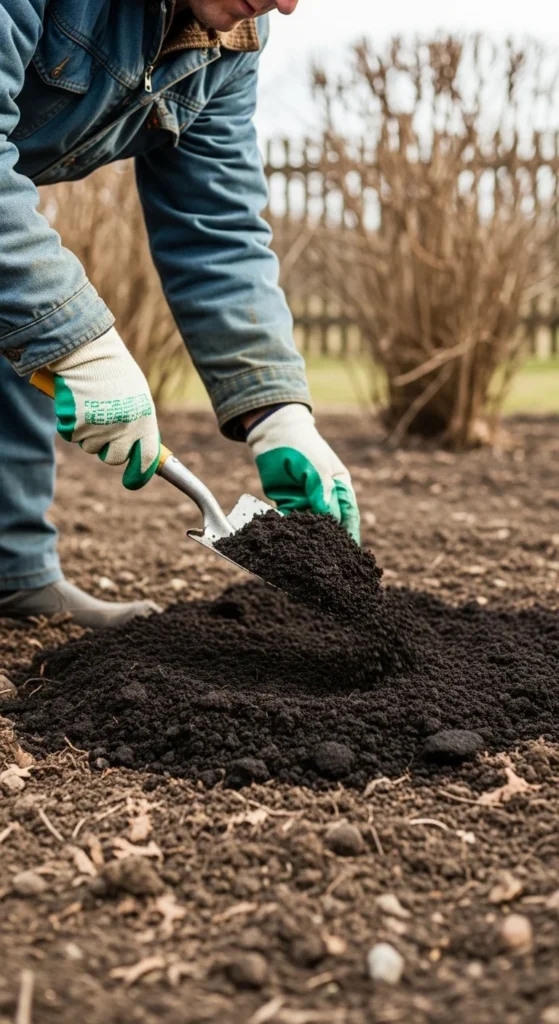
Healthy soil grows everything better. Spread compost, manure, or worm castings during winter. The nutrients slowly seep in, feeding microbes and prepping for spring planting. It’s a simple, natural way to improve next season’s results with minimal effort.
21. Cover Bare Ground
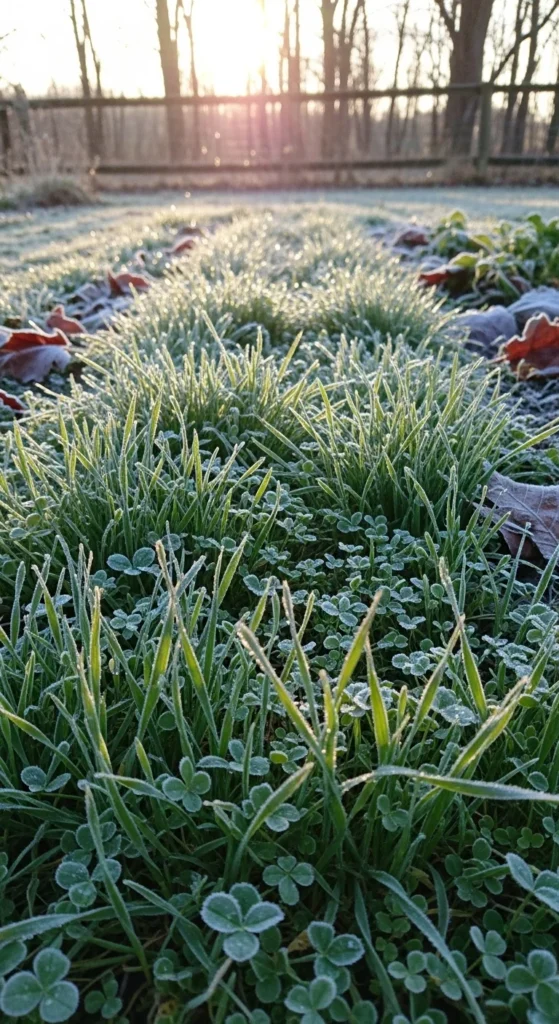
Plant cover crops like rye, clover, or vetch before winter sets in. They prevent erosion, keep weeds down, and add organic matter when tilled under later. Even small patches help maintain soil structure. Perfect for low-maintenance gardeners.
22. Try Winter Compost Tea
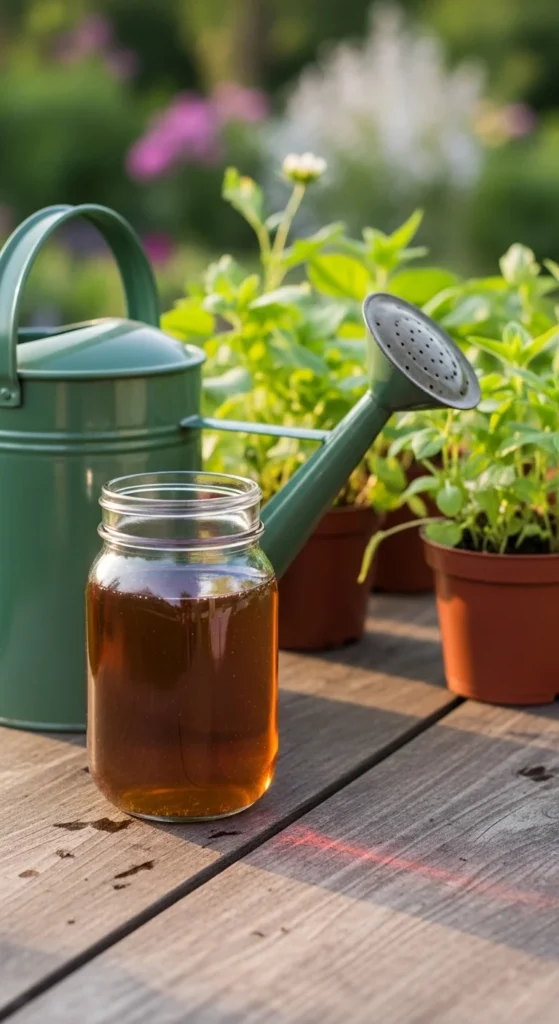
Brew compost tea by soaking compost in water for a few days. Strain and pour around dormant plants. It adds gentle nutrients and boosts soil activity without overfeeding. Keep the mixture slightly warm indoors during brewing for best results.
23. Check for Snow Weight
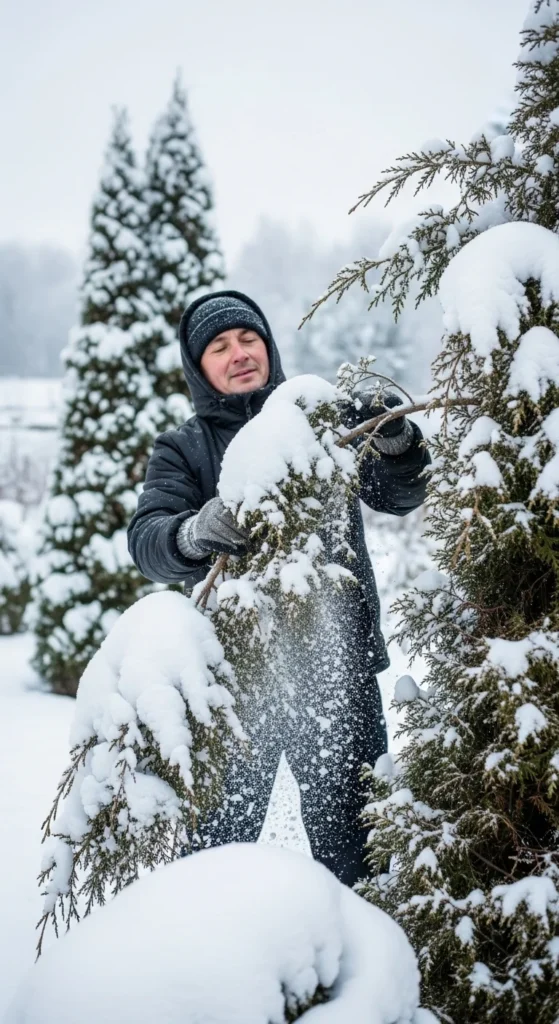
Heavy snow can snap branches and crush shrubs. Gently brush snow off evergreens with a broom. Avoid shaking hard-frozen branches. Support weak limbs with stakes or twine. A few minutes of care prevents damage that takes years to fix.
24. Recycle Holiday Greens
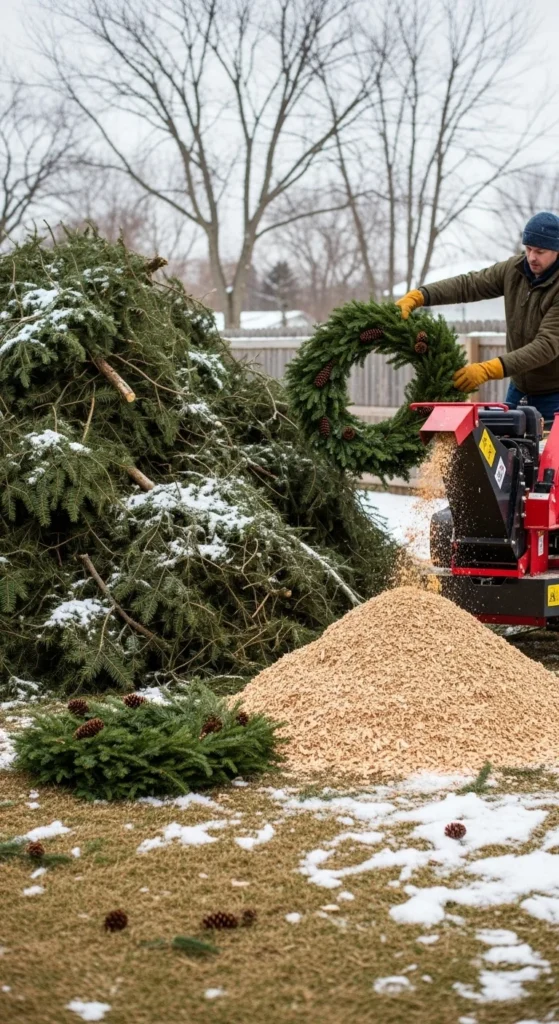
After the holidays, reuse pine branches and wreaths as mulch or compost material. They make great insulation for perennial beds. Chop them up and layer under shrubs. It’s a clever way to recycle and enrich your soil naturally.
25. Dream and Plan Ahead
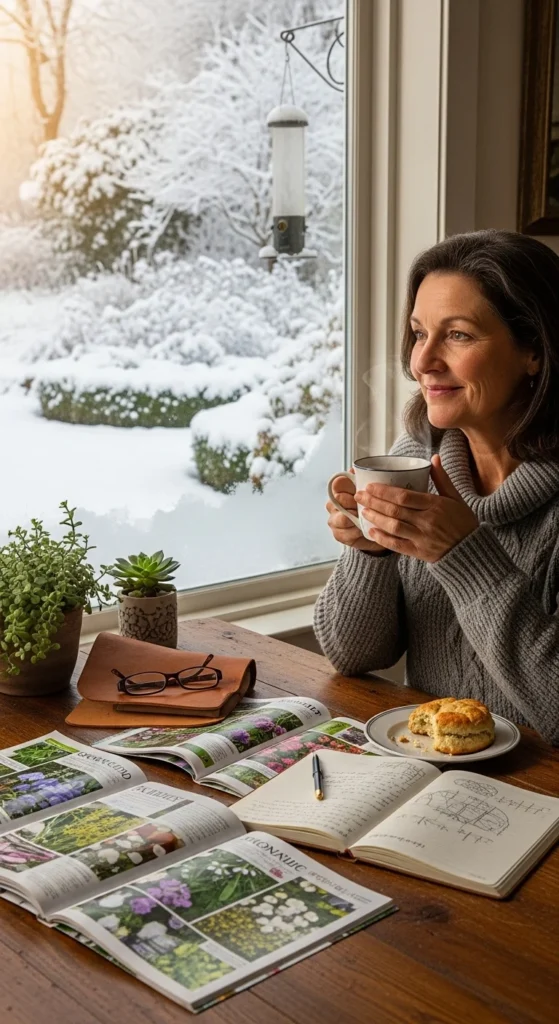
Winter is the best time to dream, plan, and learn. Browse seed catalogs, organize tools, or watch gardening videos. Set goals for new crops or raised bed designs. When spring arrives, you’ll have everything ready for action — and a garden plan that’s both smart and affordable.
Conclusion
Winter gardening isn’t about sitting out the season — it’s about preparing smarter and caring deeper. With these simple, low-cost ideas, your garden can stay lively even through the frost. Keep your hands busy, your soil healthy, and your plants thriving. When spring returns, you’ll be way ahead — and your garden will thank you with vibrant growth.

Leave a Reply