

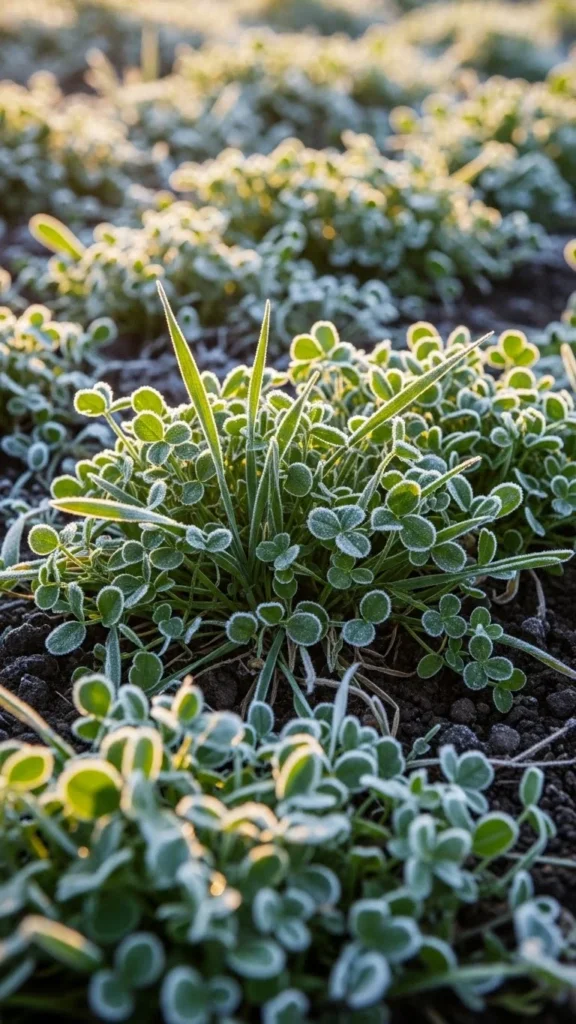
Winter soil can feel tired after a long growing season, but green manure plants help bring it back to life. These hardy, cold-friendly options protect bare ground, hold nutrients in place, and break up compact edges. Many also support microbes and earthworms during the colder months. If you want healthy beds by spring, these plants give your soil the steady conditioning it needs without chemicals or complicated steps. Most grow quickly, handle frost well, and fit any budget. You can sow them in empty beds, raised planters, or tucked between rows. The result is soil that feels richer, crumbly, and ready for spring planting.
1. Winter Rye
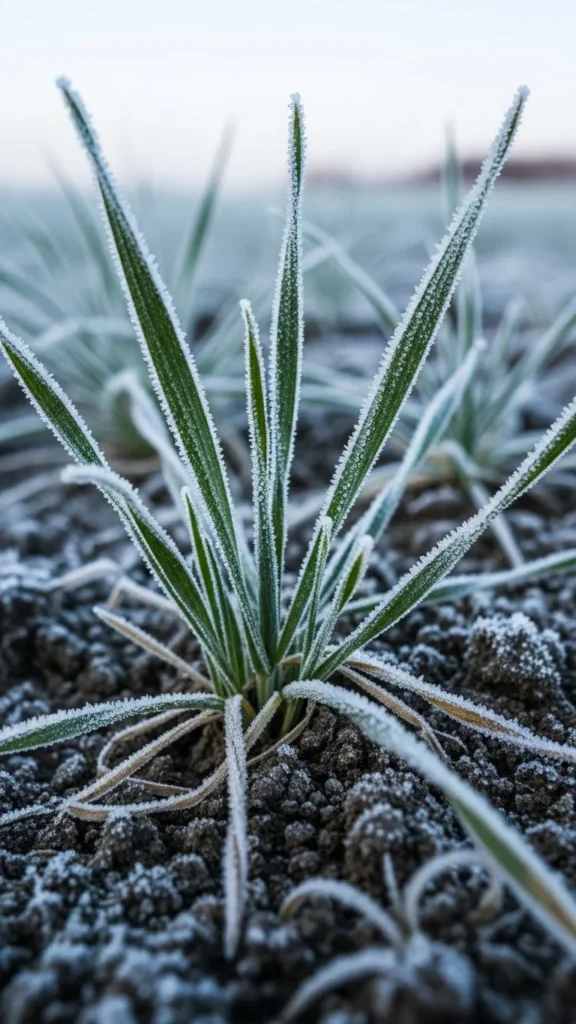
Winter rye grows fast and handles freezing days with no trouble. It’s one of the easiest green manure crops for beginners. The tall blades shade soil, stopping weeds from taking over. As it grows, the roots loosen compact areas and help moisture soak deeper. This is handy if your beds feel stiff or dry.
Sow it thickly after your fall harvest. Rake lightly to cover the seeds. Water once, then let winter do the rest. By spring, the growth will be tall and full. Cut it down before it forms seed heads. Let the stems sit on the soil as a natural blanket or mix them into the top few inches. Both choices work well. If you’re on a tight budget, winter rye gives the biggest results with little effort.
2. Hairy Vetch
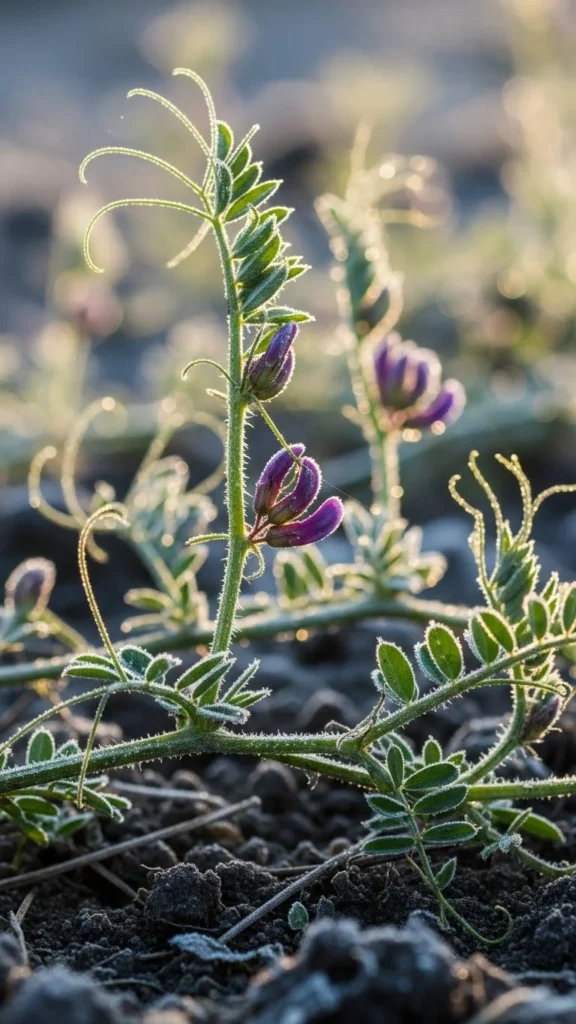
Hairy vetch spreads low and wide, creating a thick mat that shields soil from erosion. It also fixes nitrogen, giving your spring vegetables a strong start. The vines stay green through much of winter, making it a reliable choice for colder zones.
You can scatter the seeds over any open bed. Scratch them into the top layer with a small hand rake. Add a thin layer of straw if you deal with wind. Once established, the vines hug the ground and keep soil warmer. In spring, cut the vines before they set flowers. Leave everything on the surface if you want a slow mulch, or turn it under for faster breakdown. It works well for gardeners who want an affordable plant that does a lot without extra work.
3. Crimson Clover
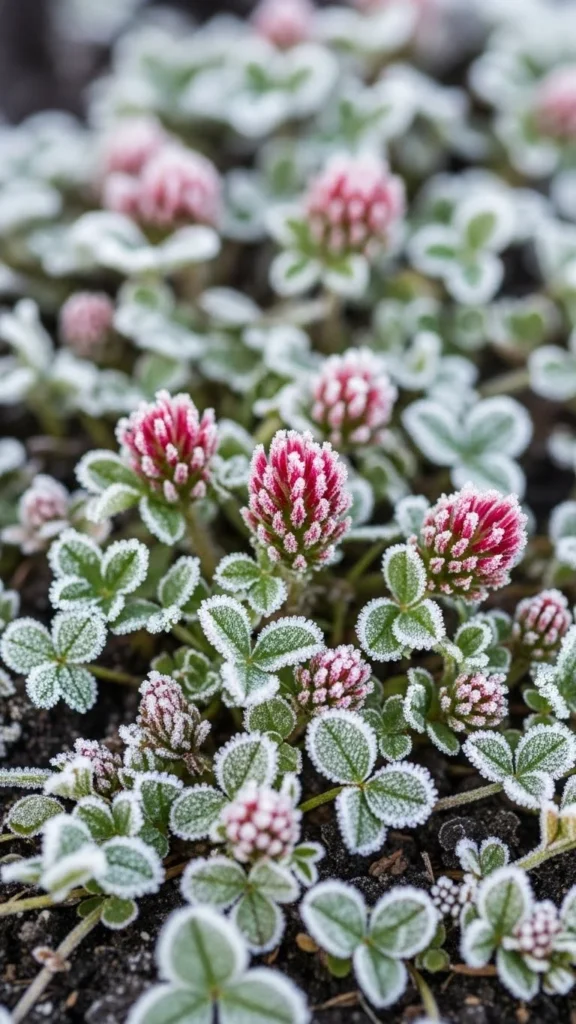
Crimson clover brings color even in cold months. The deep roots help hold soil during winter storms, and the plants add nitrogen as they grow. This makes them popular for vegetable gardens that need soil recovery.
Scatter seeds evenly and press them down with a board or your hands. They germinate quickly in cool weather. Once established, they form a soft green carpet that protects the surface from drying out. In spring, cut the growth right as the red blooms begin to show. Let the stems break down on the bed for a simple nutrient layer. It’s a good choice if you want something low-height that still works hard beneath the surface.
4. Austrian Winter Peas

Austrian winter peas add gentle greenery during colder months. They fix nitrogen and soften soil structure. Their vines are tender, so they break down quickly when chopped in spring.
Plant peas about an inch deep to protect them from birds. You can sow them in rows or broadcast across an entire bed. Use leftover tomato stakes or simple sticks if you want light climbing. During winter, the vines form a low cover that keeps soil moist and stable. When warmth returns, chop the plants while still green. Mix the stems into the top layer for fast composting. This plant works well for gardeners who want quick results without waiting months for breakdown.
5. Winter Oats
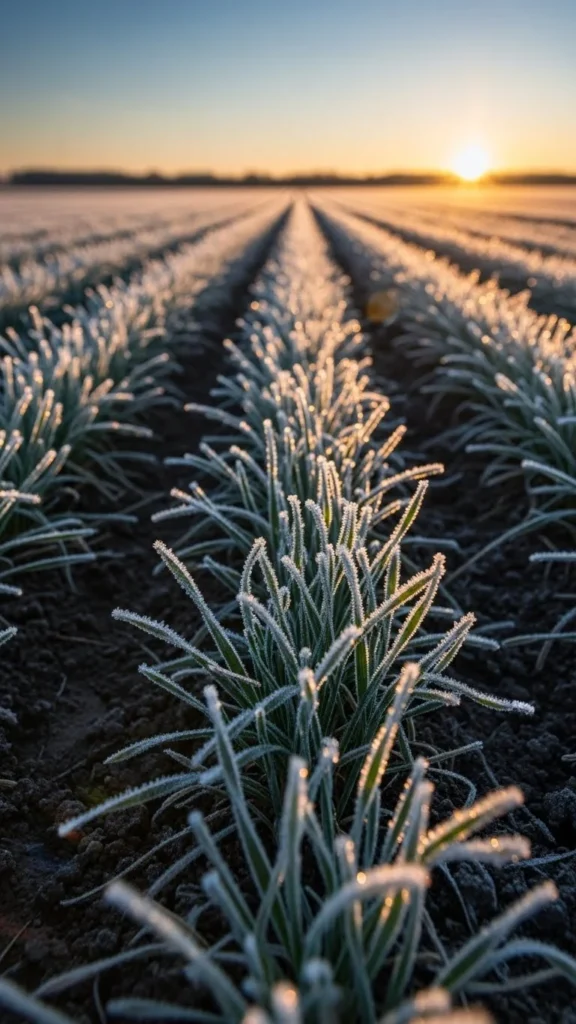
Winter oats are gentle on soil and easy to manage. They grow quickly, prevent erosion, and help even out soil texture. Many gardeners use them when they want a simple cover that won’t become stubborn later.
Sow thickly in an empty bed. Cover lightly with soil or compost. Water once. The oats will sprout fast in cool weather. The roots hold soil together, which helps keep nutrients from washing out during winter rain. Oats winter-kill in colder climates. This means the cold naturally ends their growth, leaving behind straw-like material that melts into soil by spring. It’s a convenient option if you want something that manages itself without extra help.
6. White Clover
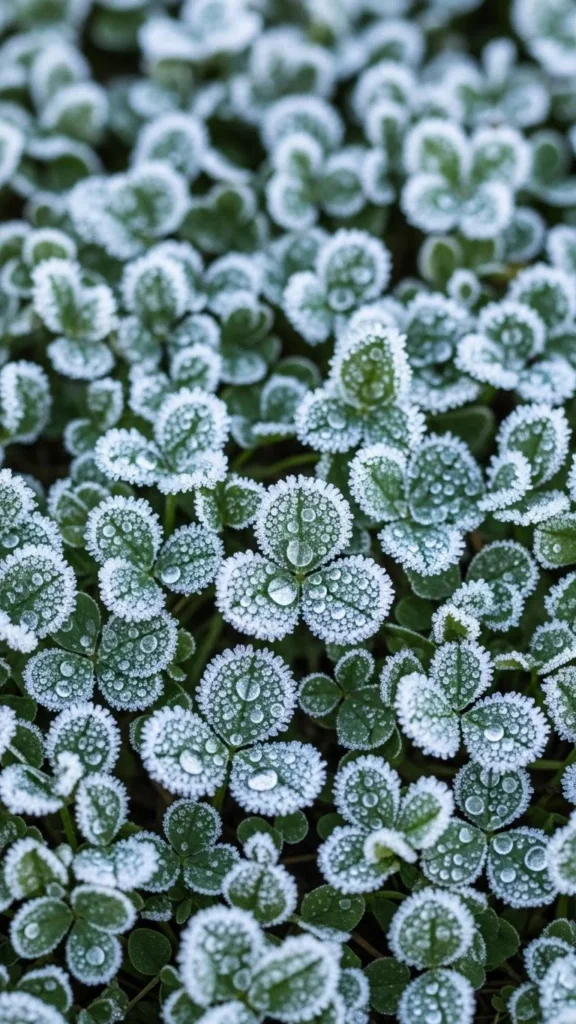
White clover forms a durable, spreading mat that supports earthworms and microbes through winter. It enriches soil with nitrogen and protects it from erosion. The low growth habit makes it a great choice for raised beds or narrow spaces.
Sow seeds on the surface and press them in gently. Clover prefers cool weather and grows well through fall and early winter. Once it settles, it keeps soil from compacting under rain or snow. In spring, cut it back before planting vegetables. You can leave a thin layer around paths or borders. Many gardeners appreciate how long clover stays green while still remaining easy to manage on a small budget.
7. Fava Beans
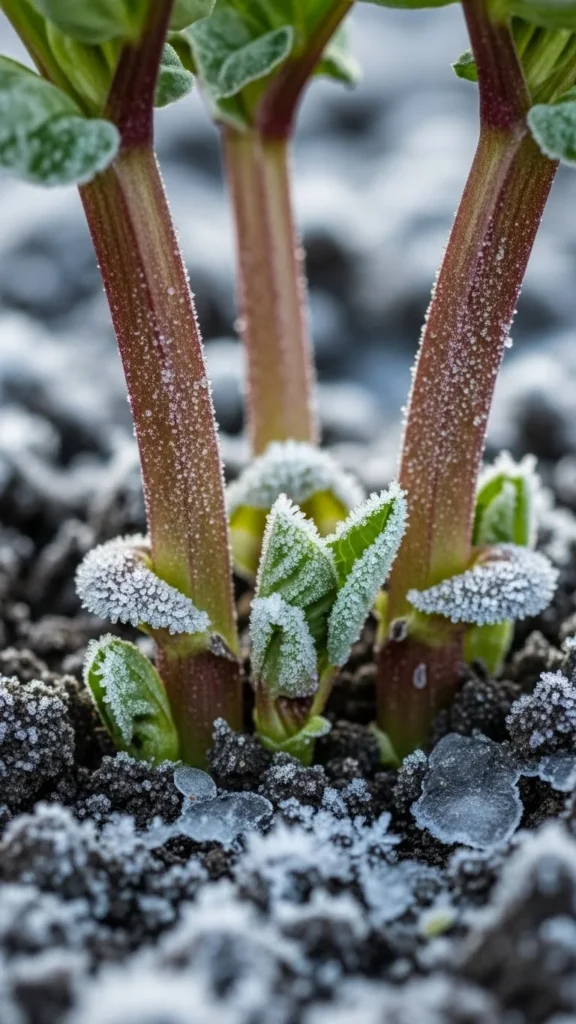
Fava beans offer hardy winter growth and strong nitrogen support. They also have thick roots that break through tight soil. This helps prepare beds for heavy-feeding crops like tomatoes or squash later in the year.
Plant seeds a couple of inches deep for stability. Space them evenly to create a full stand. Fava beans rise tall and sturdy through winter, even with cold mornings. When spring arrives, chop the plants before they form pods. Mix the stems into the soil or leave them as mulch. The large leaves break down quickly, giving your soil fresh structure. This crop is ideal if you want something tall and rugged that still works for small gardens.
8. Field Peas
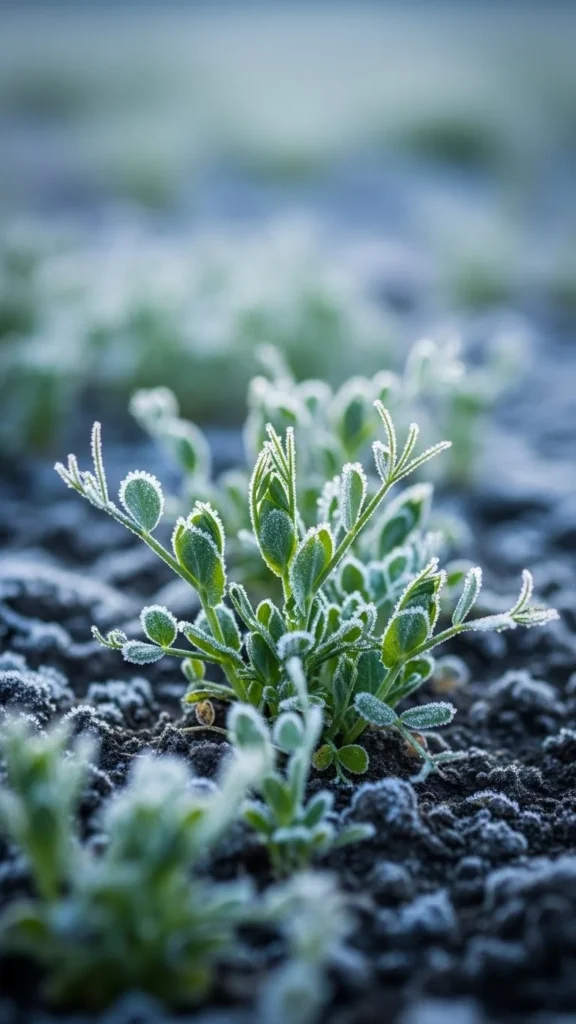
Field peas offer gentle winter growth and steady nitrogen enrichment. They don’t get as tall as fava beans, making them easier to handle in compact spaces.
Sow them thickly to form a dense cover. You can use a simple rake to incorporate seeds into the surface. Peas grow well in chillier weather and help keep nutrients from washing away. Their roots hold soil in place, while their tender stems break down very fast once chopped. When spring comes, cut everything before peas flower. Mix or leave the stems on the soil depending on how quickly you want breakdown. This plant is perfect for gardeners who want something low, soft, and simple.
9. Daikon Radish
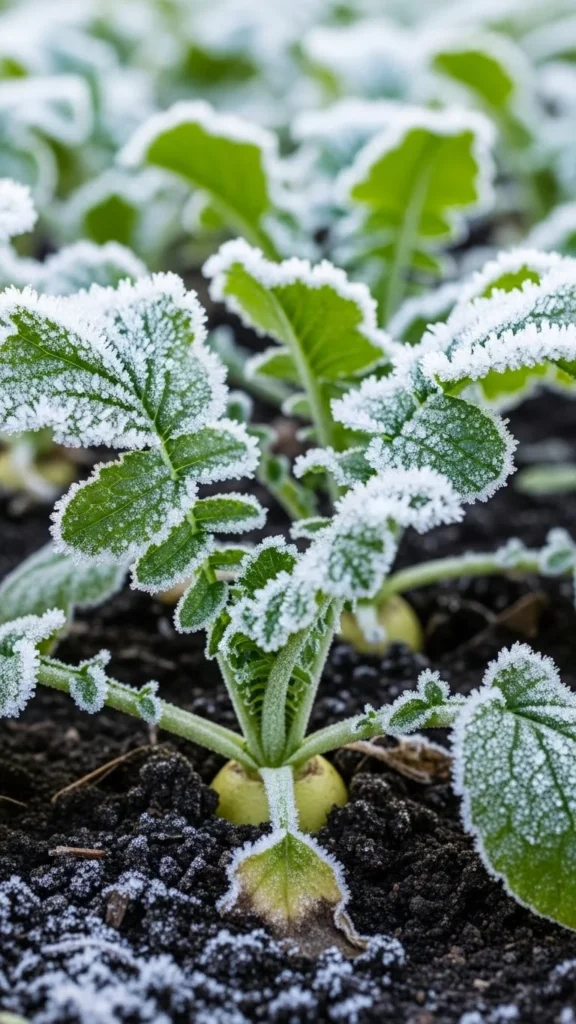
Daikon radish is famous for breaking up compact soil. Its long taproots push deep, creating natural channels for air and water. Even in winter, they grow strong and help loosen stubborn ground.
Sow seeds in rows or scatter lightly. They sprout fast and handle frost well. The roots will grow downward, cracking hardpan layers without tools. By spring, the radishes often soften or rot naturally, feeding the soil. If not, chop them and leave the remains in place. They’re helpful for gardeners dealing with dense or clay-heavy beds and offer an affordable way to rebuild soil texture.
10. Mustard Greens
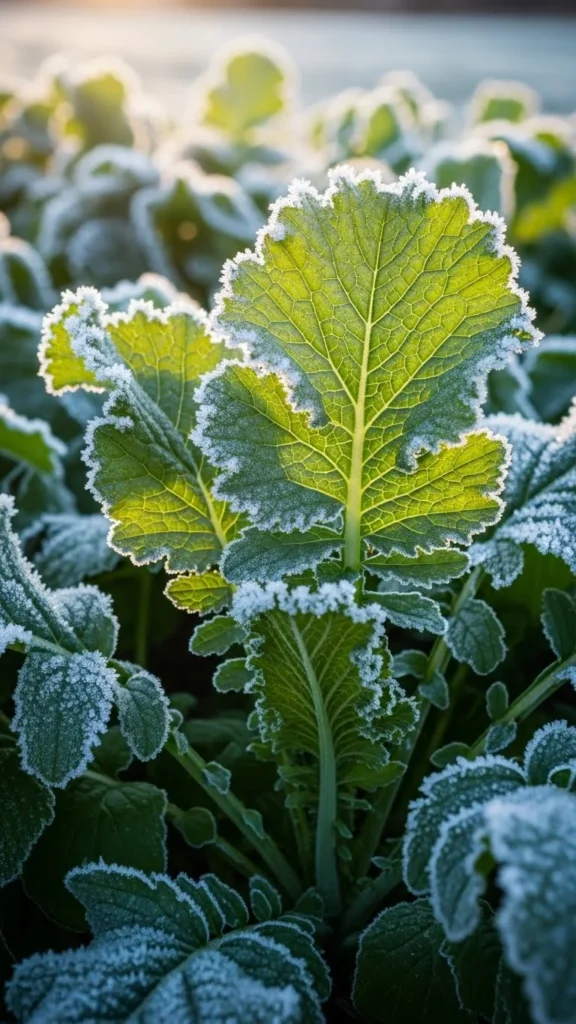
Mustard greens provide thick growth that shades soil and suppresses unwanted sprouts. They also help condition soil with their leafy mass. Cold weather doesn’t slow them much.
Scatter seeds generously and rake them in. Mustard grows quickly, forming large leaves that protect soil from rain splash and erosion. The growth stays manageable, even in winter. In spring, chop and mix the plants into the topsoil. They break down fast due to their soft tissues. Many gardeners use mustard as a budget alternative to pricier soil conditioners because it grows well even in neglected beds.
11. Winter Barley

Winter barley handles poor soil well. It grows quickly and adds organic matter. The roots hold soil tight, helping nutrients stay put during winter storms.
Sow barley thickly and cover with a shallow layer of soil. It germinates fast in cool weather and fills empty spaces with tall green growth. By spring, the stems will be ready to chop. Barley can also winter-kill in very cold regions, which makes spring cleanup easier. It’s a strong choice for gardeners who want tall cover with simple upkeep.
12. Red Clover
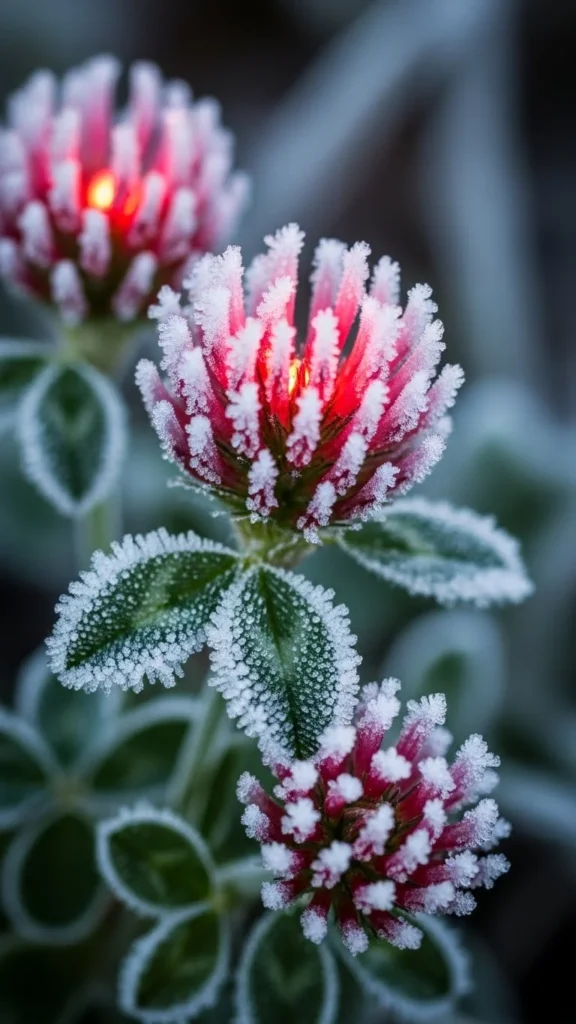
Red clover enriches soil and supports soil life through colder months. It has a deeper root system than white clover, which helps rebuild tired beds.
Sow red clover seeds over open soil and press them in. The plants tolerate winter temperatures and continue growing slowly under snow. In spring, cut the growth before it sets buds. The biomass breaks down easily and leaves the soil soft. This plant works well for gardeners who want long-term soil improvement without much maintenance.
13. Buckwheat (Late-Fall Sowing for Mild Winters)

In mild climates, buckwheat can still grow through late fall and early winter. It’s a quick filler crop that shades soil and adds organic content. It also breaks down rapidly once chopped.
Broadcast seeds and rake lightly. Buckwheat rises fast and forms a soft canopy. Even if frost ends its growth early, the remaining stems protect soil through winter. By spring, the debris will be partly broken down, making it easy to mix into the top layer. This option suits gardeners who want a short-season green manure that still helps winter beds.
14. Subterranean Clover
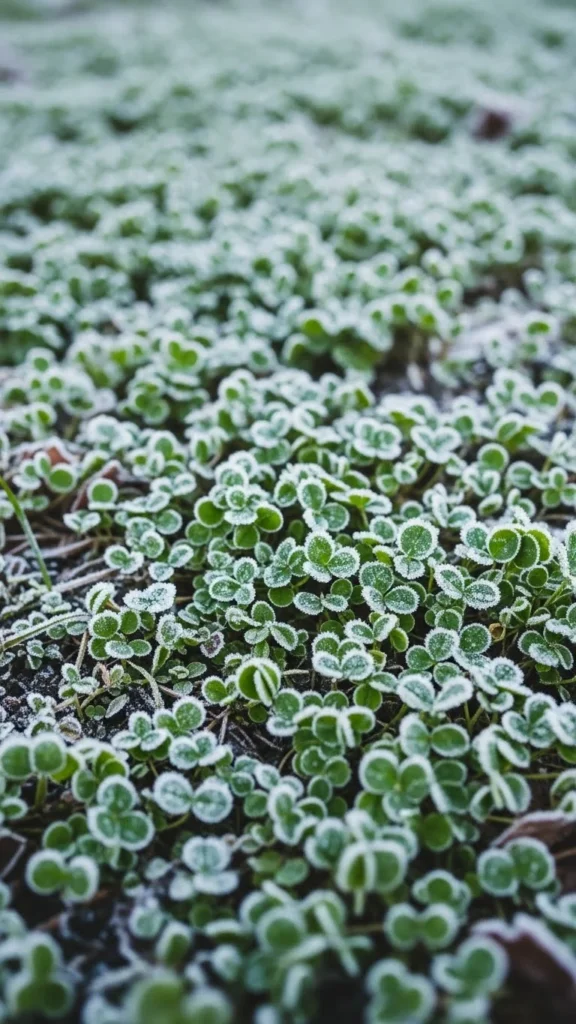
Subterranean clover spreads low and wide, forming excellent winter coverage. It thrives in cooler weather and keeps soil from drying out.
Sow seeds on the soil surface and press them in gently. This clover forms a carpet that protects the ground from erosion. In spring, chop the plants before they form seed pods. The roots leave behind small channels that help spring crops settle faster. It’s a smart choice for gardeners who want a thick ground layer without tall growth.
15. Triticale
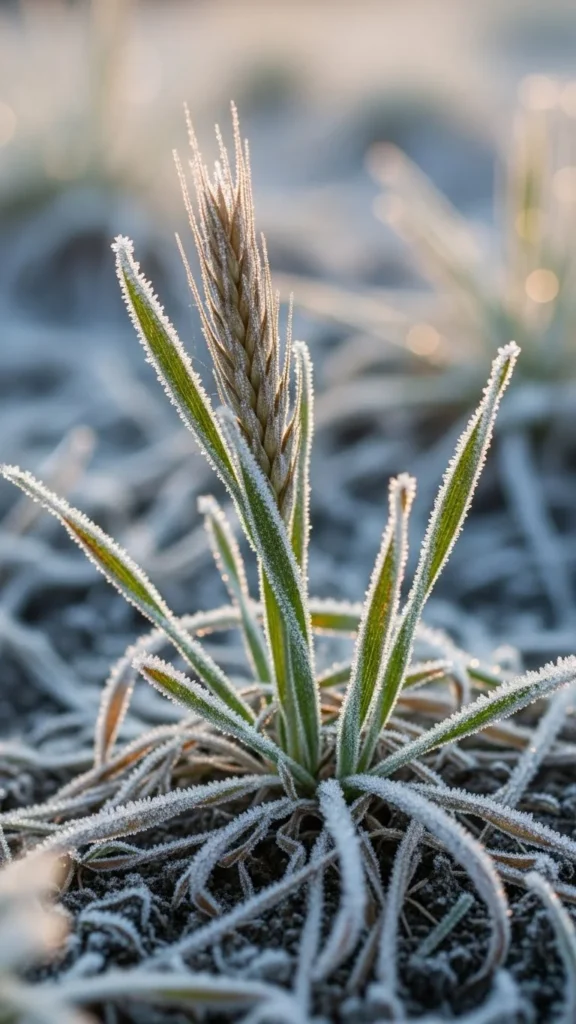
Triticale is a hardy cross between wheat and rye. It offers strong winter growth and supports soil structure with its dense roots.
Sow triticale thickly after fall harvest. It grows steadily even in cold weather. The tall stems add organic matter when chopped in spring. Mix the chopped material into the top few inches for best results. Triticale is dependable for larger spaces but works fine in raised beds too. It’s especially good for gardeners wanting consistent winter coverage.
16. Chicory
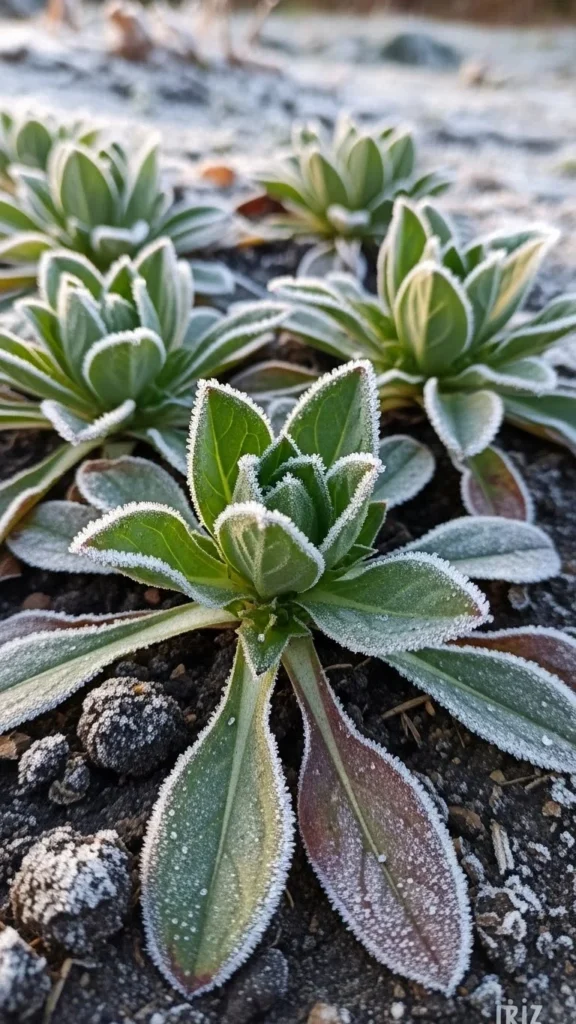
Chicory has deep roots that reach soil layers most plants ignore. It helps air and water flow deeper into beds. Even in winter, chicory stays firm and steady.
Sow chicory in rows or broadcast it lightly. The rosettes sit low, protecting soil from wind and runoff. Let it grow through winter. In spring, cut it down before warm temperatures speed growth. Leave the root fragments in place. They open channels that help moisture reach young crops. This plant is helpful for rebuilding soil that feels dense or lifeless.
17. Phacelia
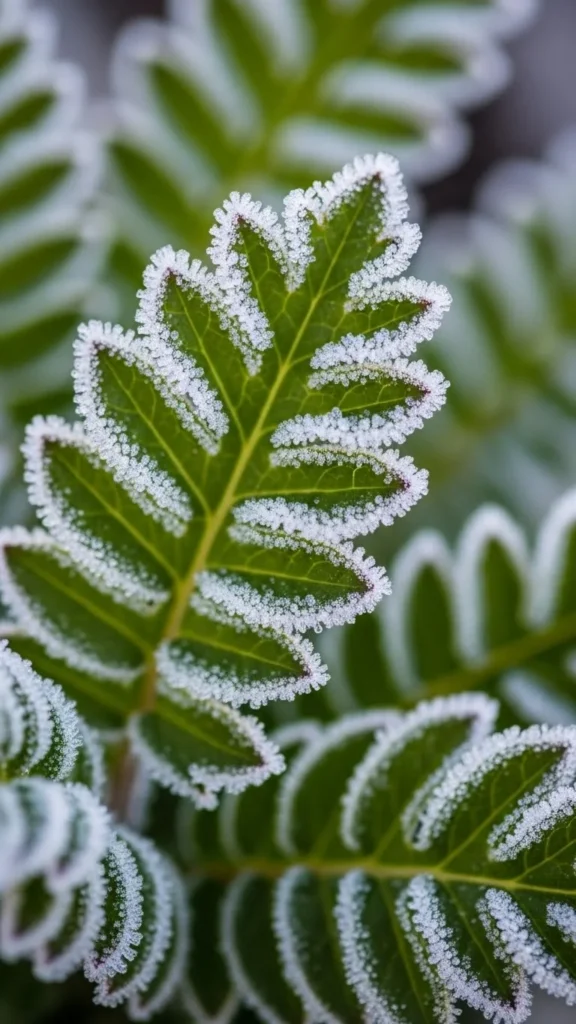
Phacelia thrives in cooler weather and helps restore tired beds. It grows fast, forms leafy coverage, and attracts bees once spring arrives.
Plant seeds by scattering them across the soil. Rake lightly. The seedlings appear quickly and form a soft winter layer. In spring, cut them before the tall stems begin to bud. Phacelia decomposes quickly, making it simple to incorporate. It works well for gardeners who want a winter cover that also supports spring pollinators.
18. Ryegrass
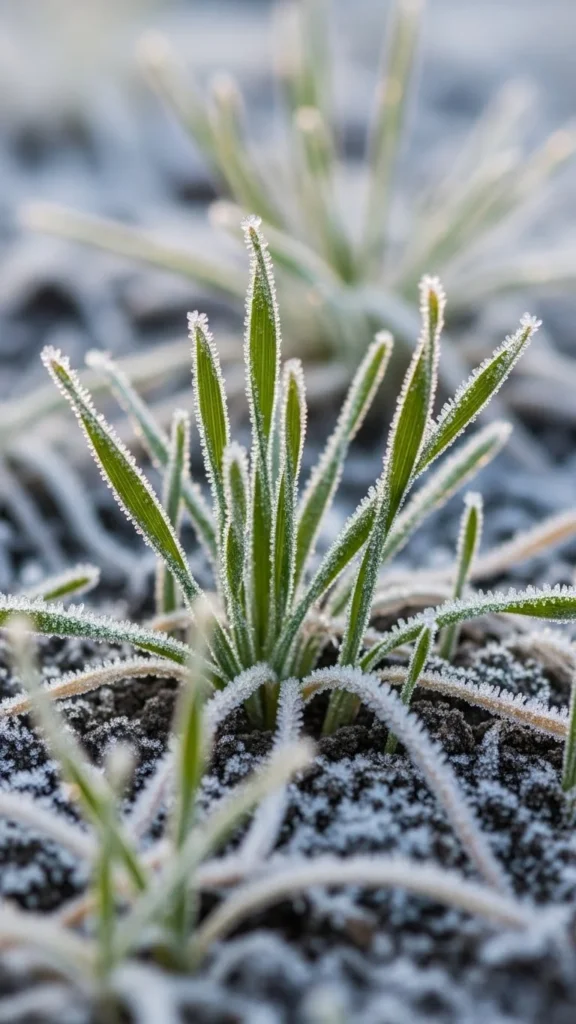
Ryegrass creates a dense root system that supports winter soil. It helps stop erosion and improves texture for spring planting.
Sow ryegrass thickly. It germinates well in cool weather and forms a uniform cover. This protects soil from washing out during heavy winter rain. By spring, the grass will be full and easy to chop. You can leave the chopped pieces as surface mulch or mix them in. This plant is great for gardeners who want something quick, tidy, and budget-friendly.
19. Lentils
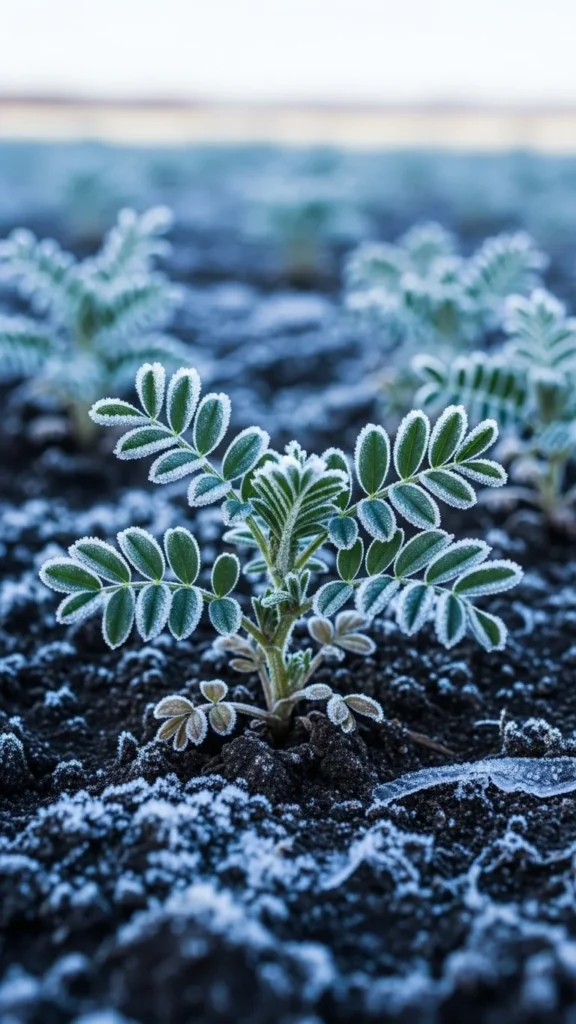
Lentils handle winter surprisingly well. They add nitrogen and create gentle ground coverage that keeps soil active.
Plant lentils shallowly. They don’t require perfect spacing. Once they sprout, they form small clusters that protect soil from drying out. In spring, chop them while still tender. The breakdown is quick, giving your soil light conditioning without heavy biomass. Lentils are helpful for gardeners wanting a small, easy winter legume.
20. Turnips
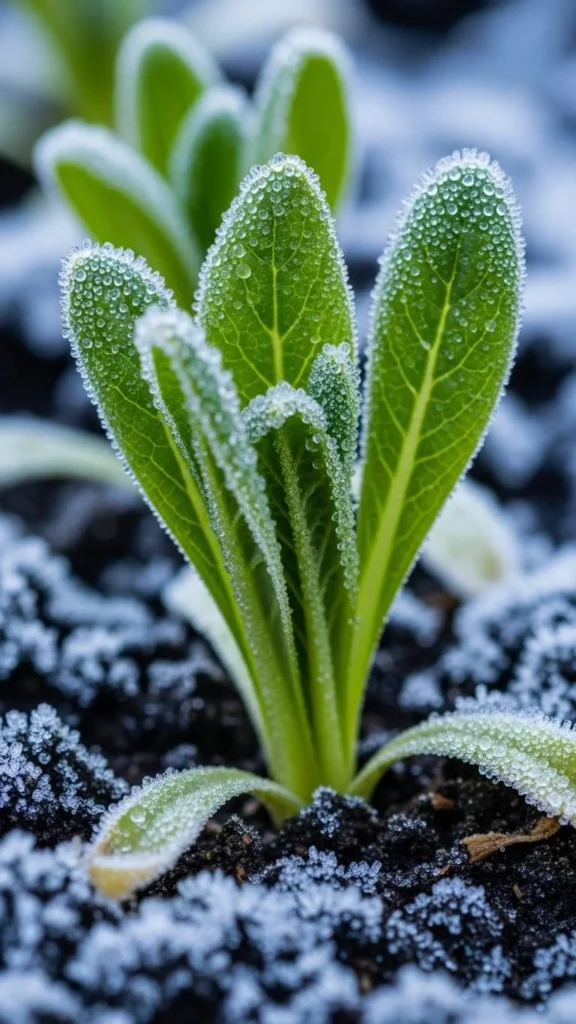
Turnips grow quickly and send roots deep. They help loosen compact spots while adding organic material when broken down.
Sow seeds densely for winter coverage. Turnips don’t mind cold weather and will hold soil in place through storms. By spring, chop and mix them into the top layer. Even if the roots stay in the soil, they soften and feed microbes. Turnips are great for gardeners who want root action without long waiting.
21. Lupins
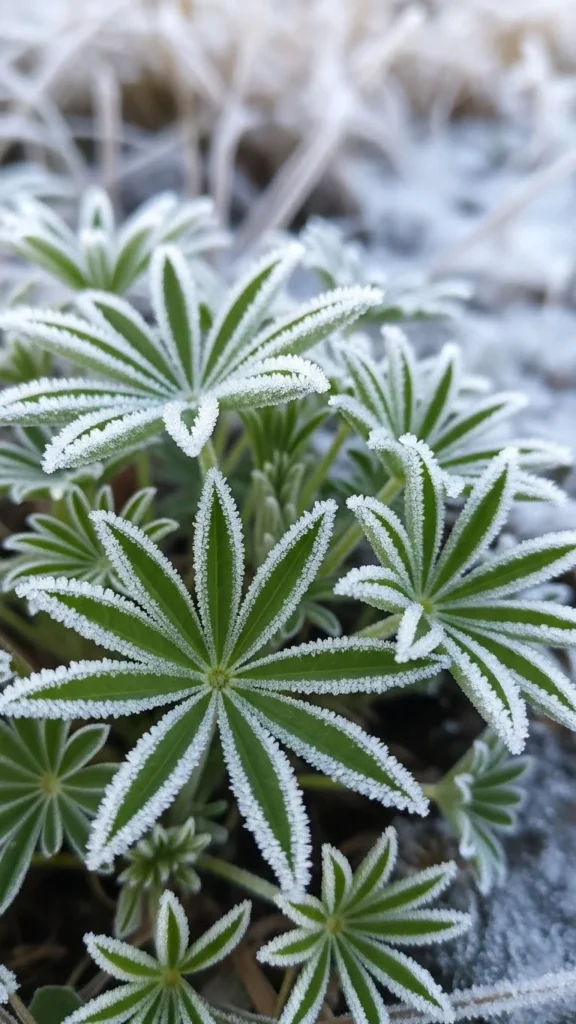
Lupins add nitrogen and improve soil structure. They create sturdy roots and leafy tops that help shield soil from erosion.
Scatter seeds and cover lightly. Lupins grow slowly through winter but stay firm. In spring, chop them before they stretch tall. The stems break down well, enriching the bed for your next crop. Lupins are a good fit if you want something attractive and functional at the same time.
22. Alfalfa
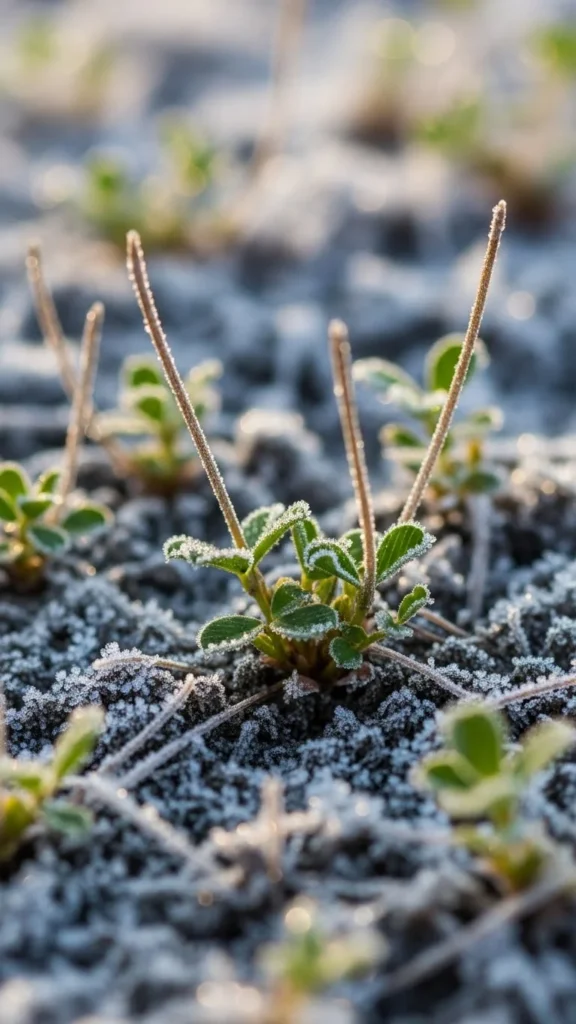
Alfalfa plants reach deep with their roots, helping open up soil layers. They also add nutrients back into tired beds.
Sow seeds in fall and water lightly. Alfalfa grows best in cooler temperatures and stays low in winter. When spring arrives, chop and mix the growth into soil. It breaks down at a steady pace, improving texture for upcoming plants. Alfalfa suits gardeners who want a dependable, long-term builder.
23. Sorghum-Sudangrass (Fall Sowing for Mild Zones)
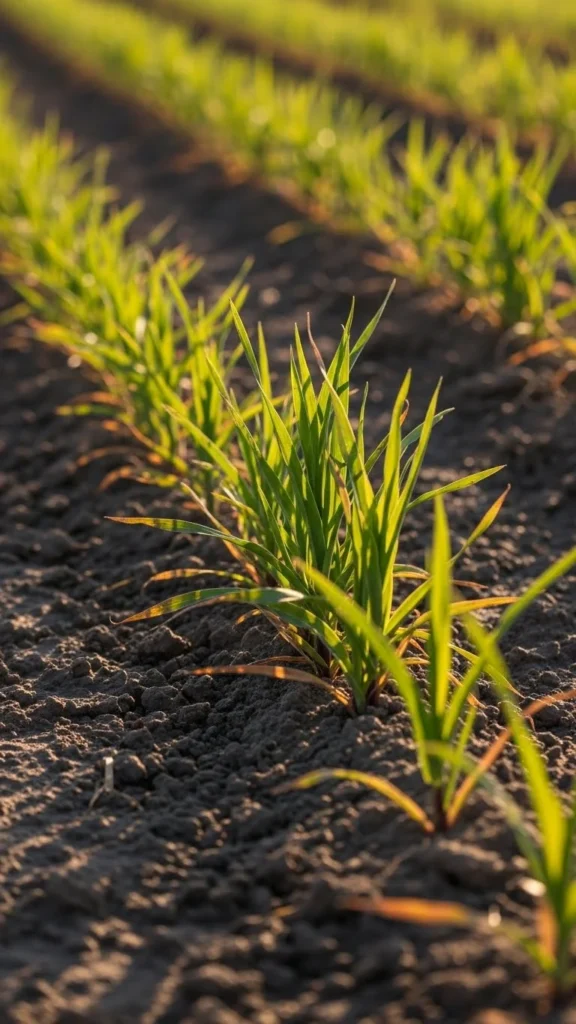
In warmer zones, sorghum-sudangrass can grow into early winter. It adds lots of biomass and helps rebuild soil structure.
Broadcast seeds and rake them into the surface. The plants rise fast, forming tall, grassy foliage. Even if frost ends their growth early, the leftover stems protect soil through winter. In spring, chop everything and incorporate. This plant works well for gardeners who want a fast-growing cover before winter sets in fully.
24. Cowpeas (Warm Winter Regions)

Cowpeas thrive where winter stays mild. They fix nitrogen and give soil a gentle dose of organic content.
Plant seeds shallowly. Cowpeas sprout quickly and help shade soil. They stay green longer than many legumes in warm climates. In spring, chop the vines before flowering. The soft stems break down quickly without much effort. This option fits gardeners in warmer regions who still want winter soil support.
25. Winter Wheat

Winter wheat handles cold months extremely well. It grows steadily, protects soil from erosion, and adds plenty of biomass in spring.
Sow seeds thickly to create a uniform green layer. Winter wheat roots hold soil tight during storms. When spring warms up, chop the wheat before seed development. Mix the stems in or leave them as a mulch layer. It’s a solid choice for gardeners who want a classic winter cover with reliable growth.
26. Fenugreek
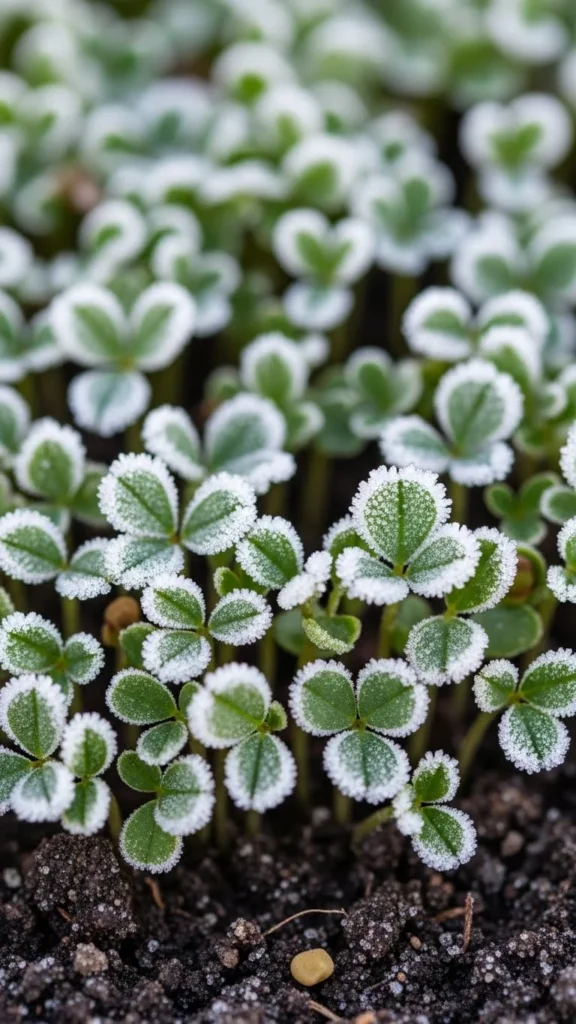
Fenugreek grows fast and adds nitrogen while forming light ground coverage. It thrives in cool weather and works especially well in smaller beds.
Scatter the seeds and rake lightly. Fenugreek sprouts within days and keeps soil from crusting over in winter. When spring returns, chop the plants before they stretch. The leaves and stems break down smoothly, giving your soil a gentle refresh. Fenugreek is perfect for gardeners wanting a soft, manageable winter cover crop.
Conclusion
Winter green manure plants give your soil a steady lift while your garden rests. They protect open beds, rebuild structure, and keep nutrients where your spring crops can use them. Whether your space is a small raised bed or a full backyard garden, these winter-friendly plants offer an easy, low-cost way to prepare for a strong growing season. Pick a few that fit your climate, sow them before hard frost, and your soil will feel far more workable when spring arrives.

Leave a Reply