

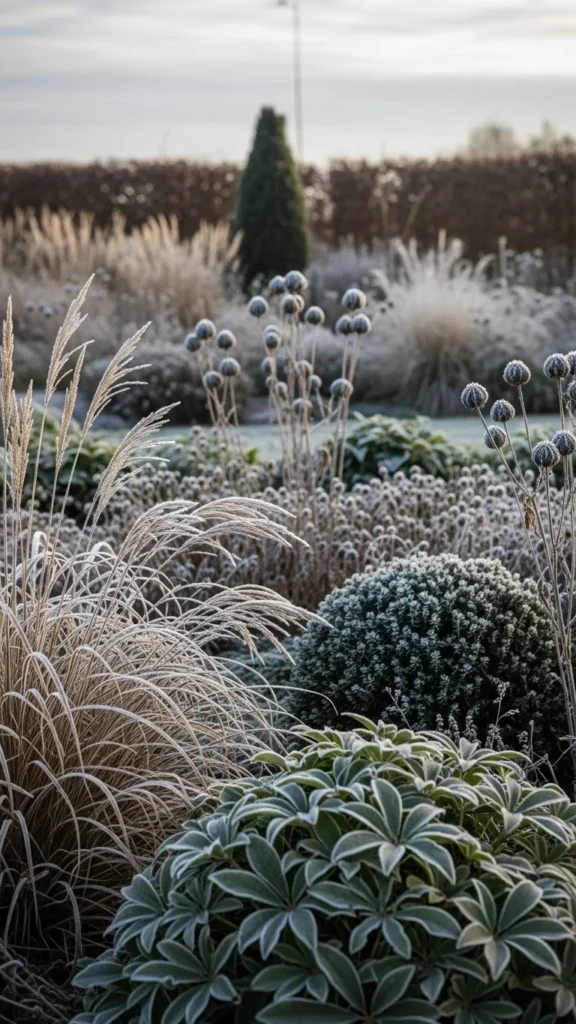
Winter gardens can still feel alive when color fades. Texture takes over. Shapes stand out. Stems, leaves, seed heads, and bark become the main attraction. The right ornamentals hold their form through cold months and bring contrast to quiet spaces. This list focuses on plants that stay strong, look interesting, and work in real home gardens. Each option adds structure without high cost or complex care. Small changes can make winter beds feel intentional instead of empty.
1. Feather Reed Grass (Calamagrostis)
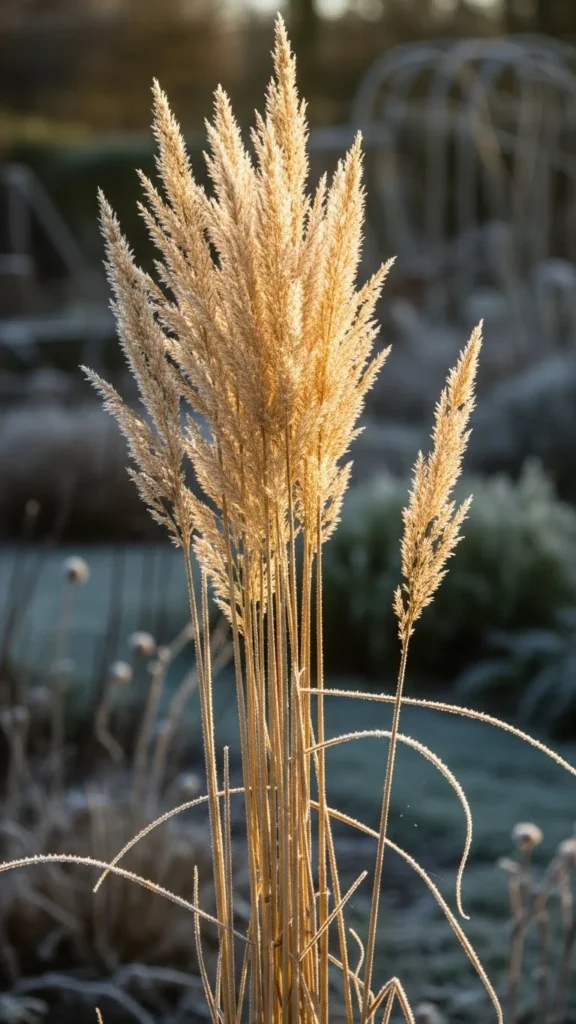
Feather reed grass keeps its tall, narrow shape through winter. The seed plumes dry into soft spikes that move with wind. This plant works well along fences or paths where vertical lines matter. It handles cold without collapsing. That makes it useful when other plants flatten.
For budget setups, buy one small pot and divide it after a year. It spreads slowly and stays tidy. Place it where snow piles lightly. Heavy snow can bend it, but it springs back.
Use it to break up flat beds. Pair it with stones or mulch for contrast. No fancy care required. Cut it back in early spring using hand shears. Until then, let it stand. Birds often rest on the stems, adding quiet motion on still days.
2. Blue Fescue
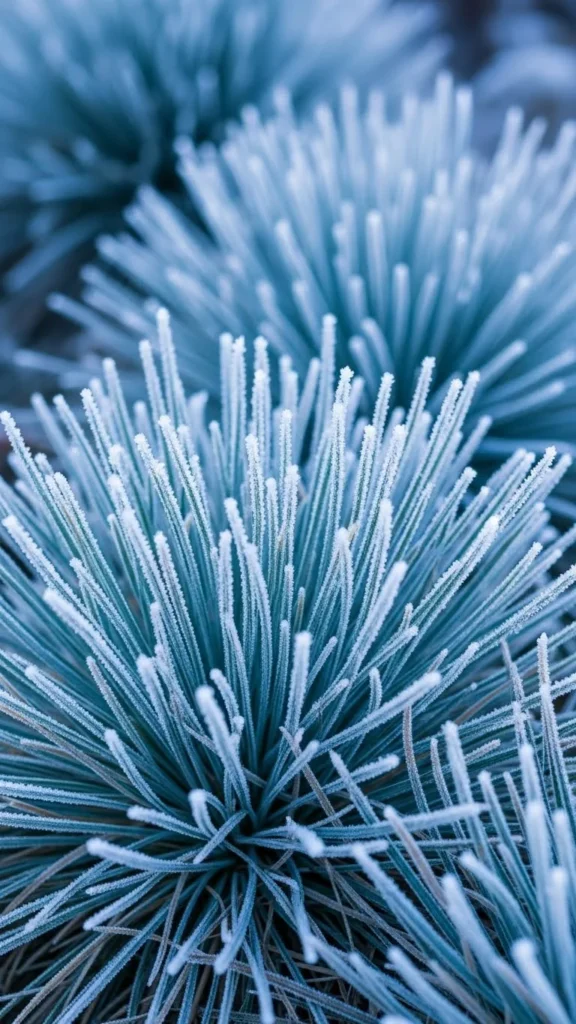
Blue fescue forms neat mounds that stay visible all winter. The fine blades curl slightly, creating a soft texture that contrasts with hardscapes. It works well in small gardens, containers, or along borders.
This grass prefers good drainage. Gravel or sandy soil helps. For a low-cost approach, tuck it into leftover spaces near paths. Even a single clump adds interest.
Avoid cutting it back in fall. Let the blades protect the center from cold. In spring, comb through with gloved hands to remove dead growth. No tools needed.
Blue fescue pairs well with stone edging or concrete planters. The color stays muted but clear, even in cold light. It proves that winter texture does not need height to stand out.
3. Sedum ‘Autumn Joy’
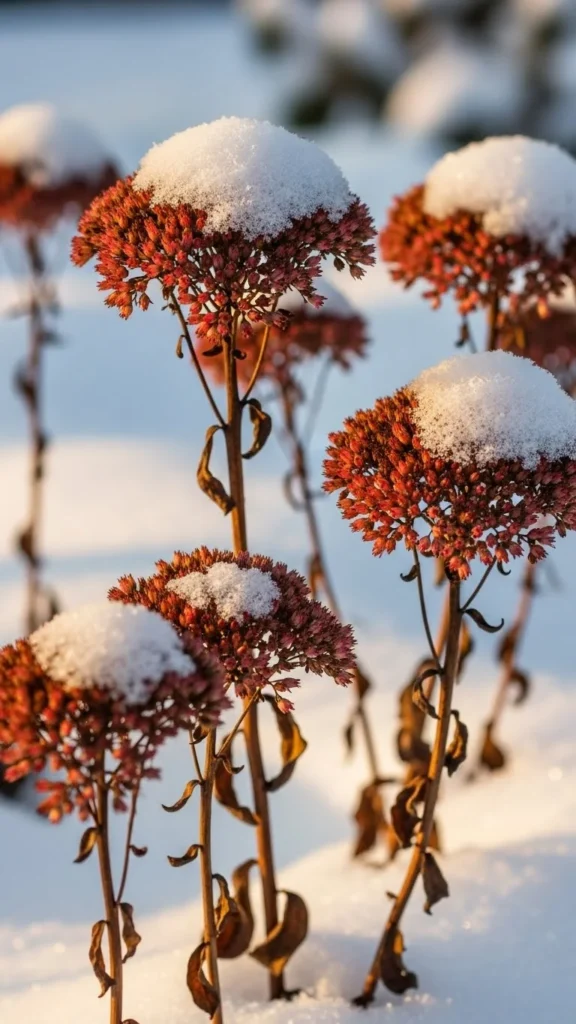
Sedum ‘Autumn Joy’ earns its winter role through dried flower heads. Once blooms fade, the stems harden and hold shape. The flat tops collect frost and light snow, creating layered texture.
Leave stems standing through winter. Cutting them back too early removes structure. Birds often peck at seed heads, adding life to quiet beds.
This plant spreads easily. Divide clumps every few years and replant for free coverage. It works well near walkways where details can be seen up close.
Sedum handles poor soil and cold without complaint. It does best in full sun. Pair it with low grasses or gravel mulch. The contrast between rigid stems and soft ground makes winter beds feel planned rather than bare.
4. Hellebore
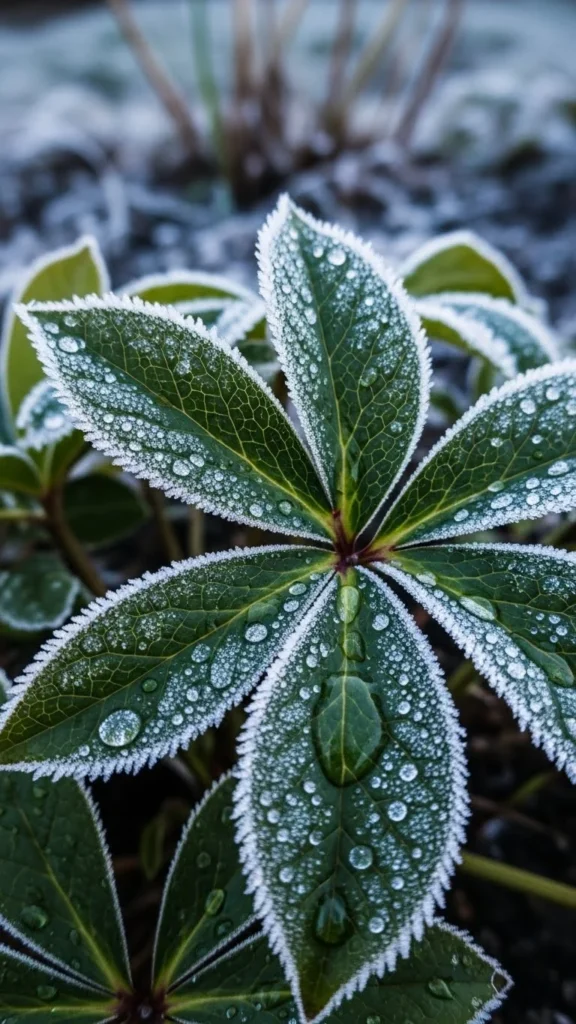
Hellebores bring thick, leathery leaves that stay firm through winter. The foliage alone adds texture, even before blooms appear. Leaves sit low but spread wide, filling gaps under shrubs or trees.
These plants like partial shade and sheltered spots. Planting near walls or fences helps protect from harsh wind. Mulch lightly with bark to keep roots steady.
For budget planting, start with young plants. They grow slowly but last for years. Remove damaged leaves in late winter to tidy the plant.
Hellebores work well in mixed beds where other plants fade. Their solid leaves contrast with bare soil and fallen branches. Even without flowers, they hold the space together during cold months.
5. Boxwood

Boxwood offers dense, small leaves that keep gardens structured all winter. The tight growth pattern creates clean shapes that stand out when other plants retreat.
Use boxwood to frame beds, line paths, or anchor corners. Even small shrubs make an impact. For savings, buy smaller plants and space them properly. They fill in with time.
Protect boxwood from drying wind by placing it near buildings or fences. Mulch around the base to keep soil stable.
Avoid heavy pruning in fall. Let the plant rest through winter. Simple shapes work best. The steady green color helps winter gardens feel grounded and intentional.
6. Japanese Forest Grass
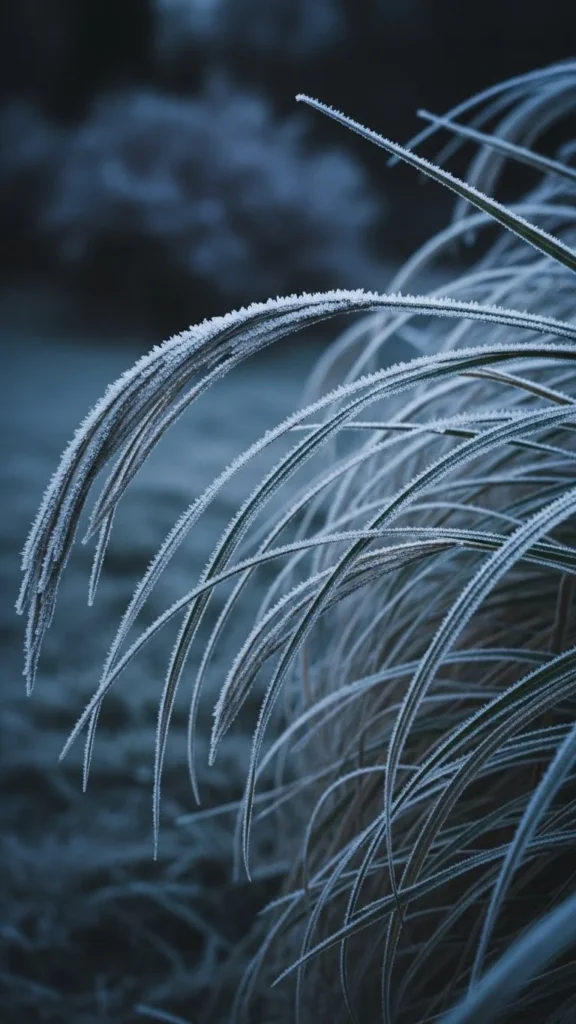
Japanese forest grass brings flowing texture even when dormant. The blades fade to straw tones but keep their arching form. This creates movement in shaded areas.
Plant it under trees or along shaded paths. It prefers moisture but not soggy soil. Add leaf mulch in fall to protect roots.
Divide mature clumps every few years to spread coverage without cost. Let the grass stand through winter. Cut back in early spring before new growth starts.
This grass softens hard edges and blends well with stones or bark mulch. In winter light, the curved blades catch shadows that add depth without color.
7. Winterberry Holly

Winterberry holly shines through branch structure and berries. After leaves drop, the stems show clean lines dotted with color. The berries hold through cold weather.
Plant both male and female shrubs for fruit. One male supports several females. Place them where branches can be seen clearly.
Prune lightly to shape but keep the natural form. Use fallen branches in simple outdoor arrangements. That adds texture without cost.
Winterberry works well at the back of beds or near fences. Even without leaves, the upright branches give gardens height and rhythm during winter months.
8. Red Twig Dogwood

Red twig dogwood brings bold stem color and clean lines. In winter, the red branches stand out against muted backgrounds. The texture comes from clusters of upright stems.
Plant in groups for stronger effect. Cut older stems to the ground every few years to encourage new growth. This keeps color strong.
For low-cost impact, use pruned stems in outdoor planters. Stick them into soil for seasonal displays.
Dogwood handles cold and wet soil well. It fits along property edges or near water features. Even on gray days, the stems add structure and visual interest.
9. Ornamental Kale
Ornamental kale brings ruffled leaves that stay firm in cold weather. The texture feels bold and layered, especially in containers.
Use it in pots near entrances or patios. Mix with gravel or evergreen branches for contrast. Kale handles frost better than many annuals.
For budget planting, buy small plants in fall. They grow quickly in cool weather. Remove damaged leaves as needed.
The thick foliage adds weight to winter displays. Even after snow, the leaves keep shape. When spring approaches, compost the plants and reuse the soil.
10. Heuchera
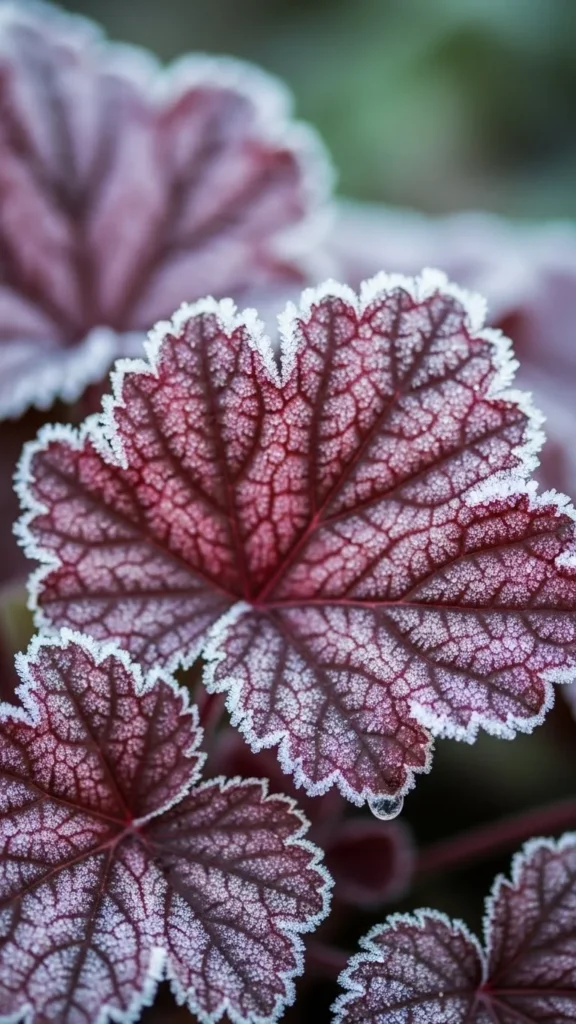
Heuchera offers ruffled leaves that stay close to the ground. The foliage holds texture even when colors mute. Leaves overlap, creating layered interest.
Plant heuchera in well-drained soil. Raised beds or slopes work well. Mulch lightly to protect crowns.
Divide plants every few years to expand beds at no cost. Remove damaged leaves by hand during winter thaws.
Heuchera works well near paths where texture can be seen up close. Pair it with stones or low shrubs. The mix of shapes keeps winter beds from looking flat.
11. Yucca
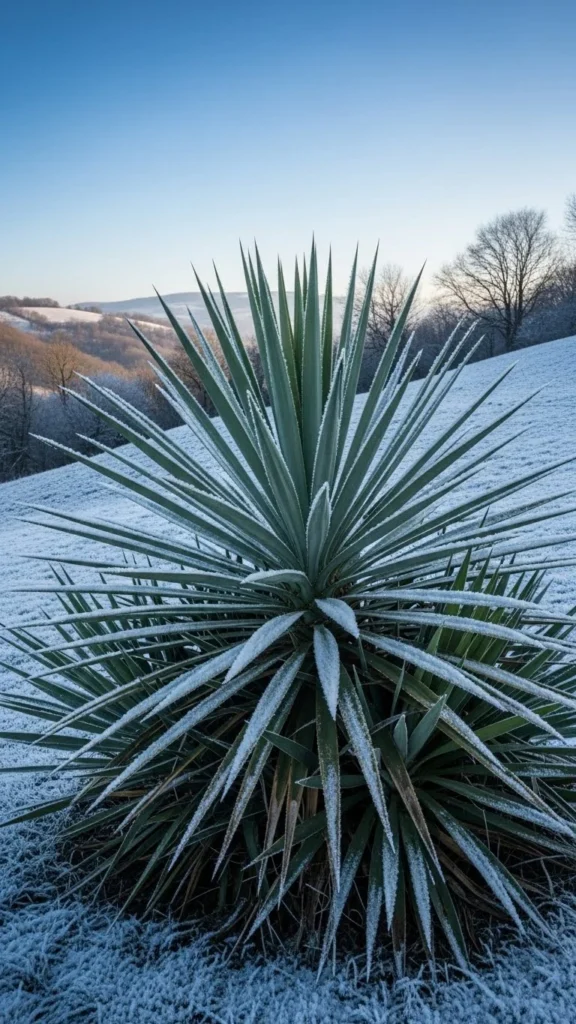
Yucca brings sharp, upright leaves that hold strong through cold. The spiky form adds bold texture and contrast to softer plants.
Plant yucca in sunny, well-drained spots. Gravel mulch helps prevent rot. Once established, it needs little care.
Use yucca as a focal point. One plant can anchor a bed. Avoid planting too close to walkways due to stiff leaves.
The clean lines stand out in winter light. Snow collects between leaves, highlighting the structure. Yucca proves that texture can be dramatic without complexity.
12. Miscanthus
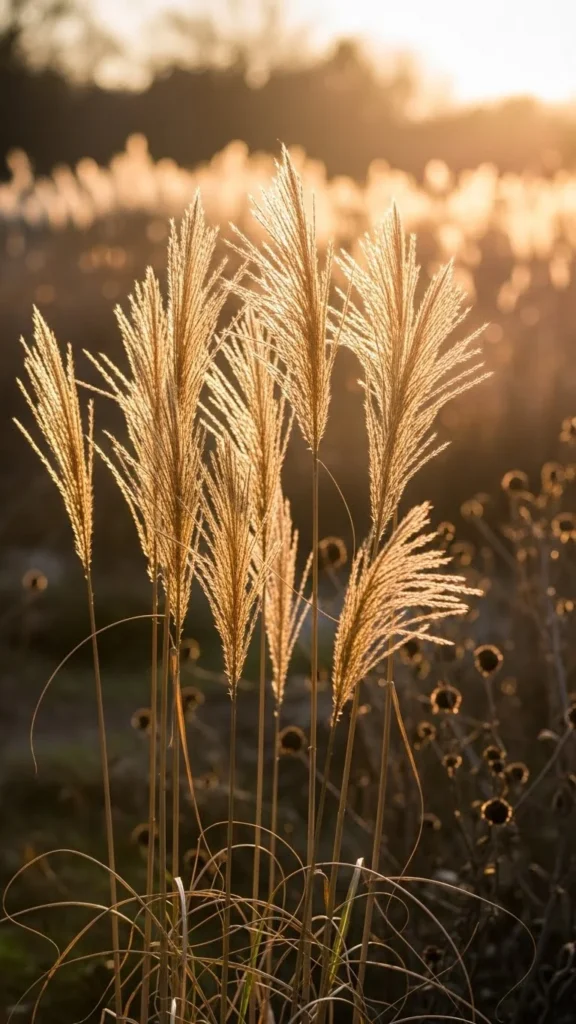
Miscanthus forms tall clumps with airy plumes that stay upright. The dried seed heads sway and catch light, adding movement.
Plant in open areas where height works well. It suits the back of beds or near fences. Leave stems standing until spring.
Divide large clumps every few years. Share divisions or use them to fill new spaces.
Miscanthus pairs well with low shrubs or stone features. In winter, the contrast between height and ground texture makes gardens feel balanced.
13. Bergenia
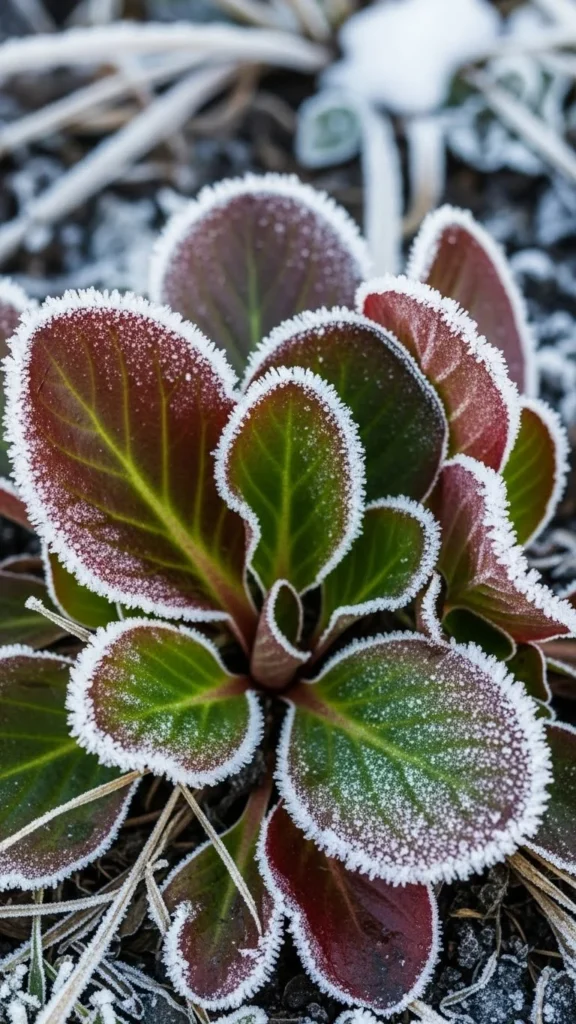
Bergenia has thick, paddle-shaped leaves that stay firm in cold. The foliage often deepens in tone during winter, adding depth.
Plant bergenia along borders or under shrubs. It handles shade and poor soil well. Mulch lightly to protect roots.
Divide plants when clumps grow large. This keeps them healthy and spreads coverage without cost.
The bold leaves stand out against bare soil. Even light snow highlights the shape. Bergenia works as a ground-level anchor during winter months.
14. Dwarf Pine
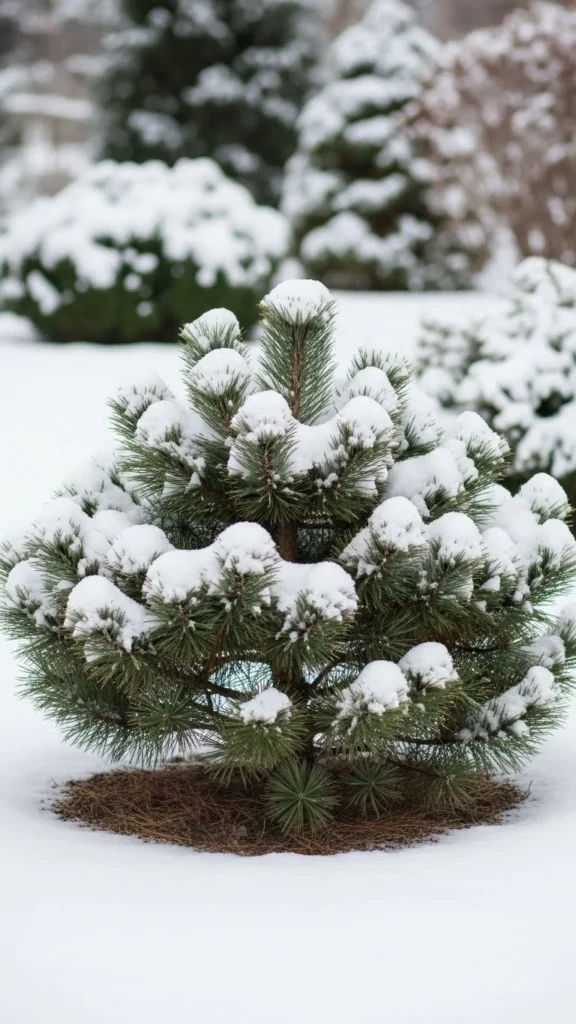
Dwarf pines bring dense needles and compact form. The texture feels solid and reliable through winter storms.
Use dwarf varieties in small gardens or containers. They grow slowly and keep shape with minimal care.
Mulch around the base and water before the ground freezes. This helps prevent winter stress.
Dwarf pines work well as focal points. The needles catch snow, adding detail. They pair nicely with rocks or gravel for a balanced winter look.
15. Lavender
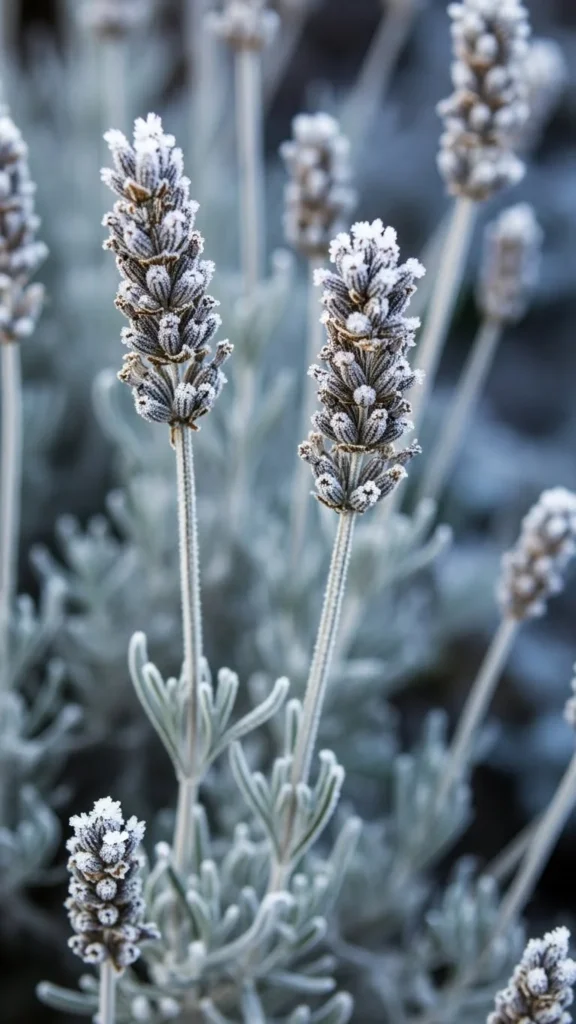
Lavender keeps narrow, woody stems and silvery leaves through winter. The texture stays crisp in dry conditions.
Plant lavender in sunny, well-drained spots. Raised beds help in cold climates. Avoid heavy mulch that traps moisture.
Prune lightly after winter, not before. Let the plant protect itself during cold months.
Lavender adds fine texture near paths or edges. Even without blooms, the shape brings order to winter beds.
16. Sea Holly
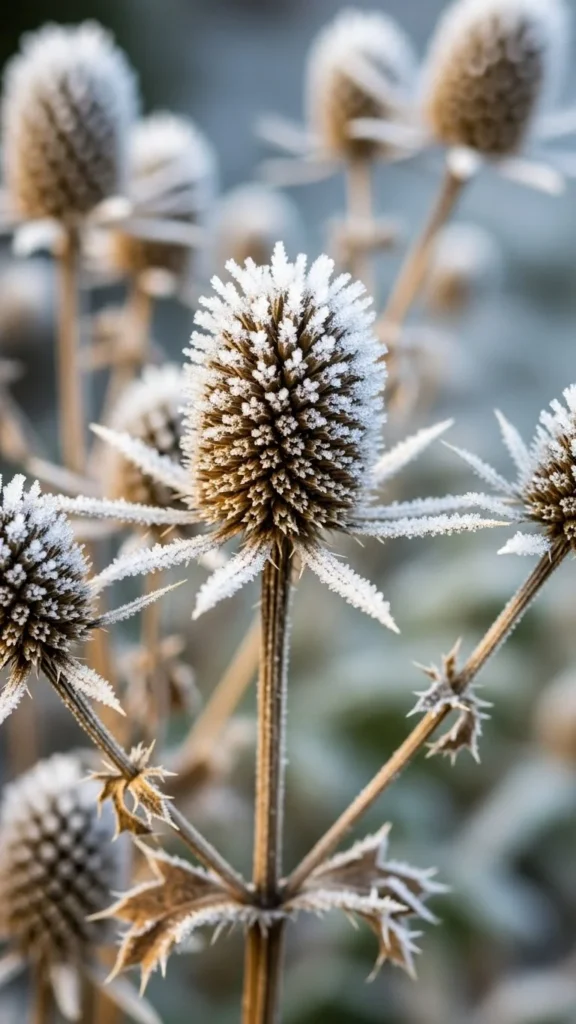
Sea holly leaves behind spiky seed heads that hold through winter. The rigid structure adds contrast to softer plants.
Leave stems standing until spring. Cut them back once new growth appears. Use dried stems in simple garden displays.
Sea holly prefers full sun and well-drained soil. It handles cold without trouble.
The spiny texture catches frost and light. It works well in mixed beds or natural-style gardens where structure matters more than color.
17. Witch Hazel
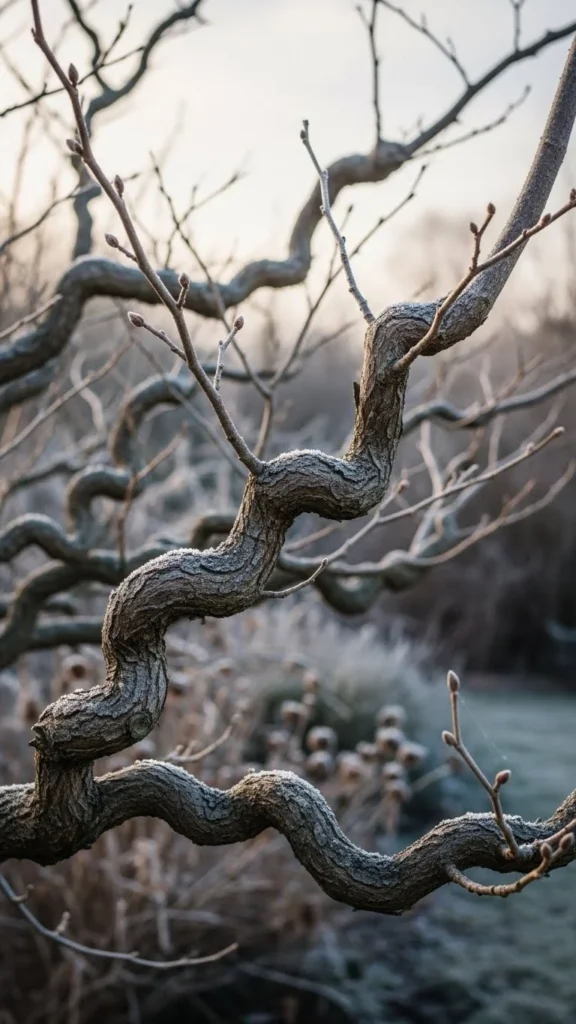
Witch hazel shows strong branch patterns in winter. The twisting limbs add visual rhythm even before flowers appear.
Plant witch hazel where branches can spread. It prefers open space and light.
Minimal pruning keeps the natural shape. Fallen branches can be used in outdoor pots for seasonal interest.
The structure adds height and flow. In winter, the bare form becomes the main feature, offering texture without leaves.
18. Rosemary (Hardy Varieties)
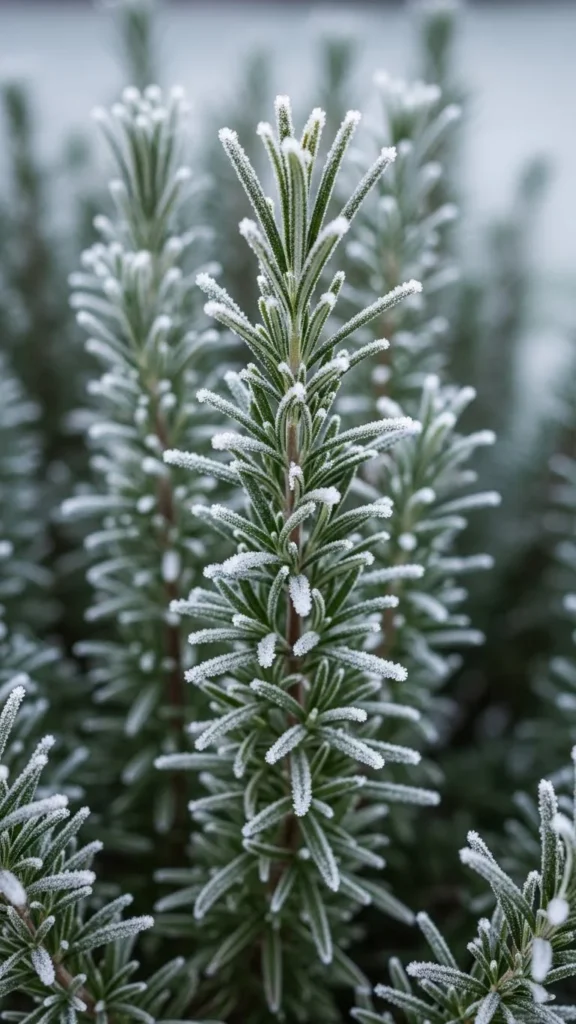
Hardy rosemary keeps needle-like leaves and woody stems through winter. The fine texture contrasts with broader foliage nearby.
Plant in sunny, sheltered spots. Good drainage is key. Raised beds help in colder areas.
Avoid heavy pruning in fall. Let the plant rest until spring.
Rosemary works well in containers near walls. The shape stays tidy and useful for garden structure during winter months.
19. Spurge
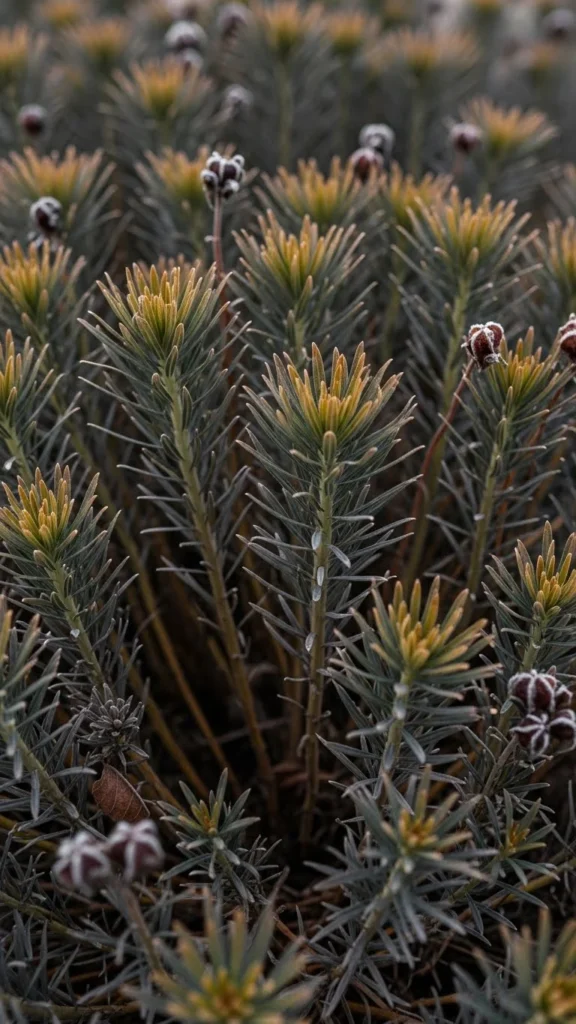
Spurge holds upright stems and firm leaves that stay visible in winter. The structure adds subtle texture to mixed beds.
Plant in well-drained soil and partial sun. Many varieties handle cold well.
Wear gloves when pruning due to sap. Cut back in early spring, not winter.
Spurge fills gaps between shrubs and grasses. The steady form helps connect different textures across the garden.
20. Phormium
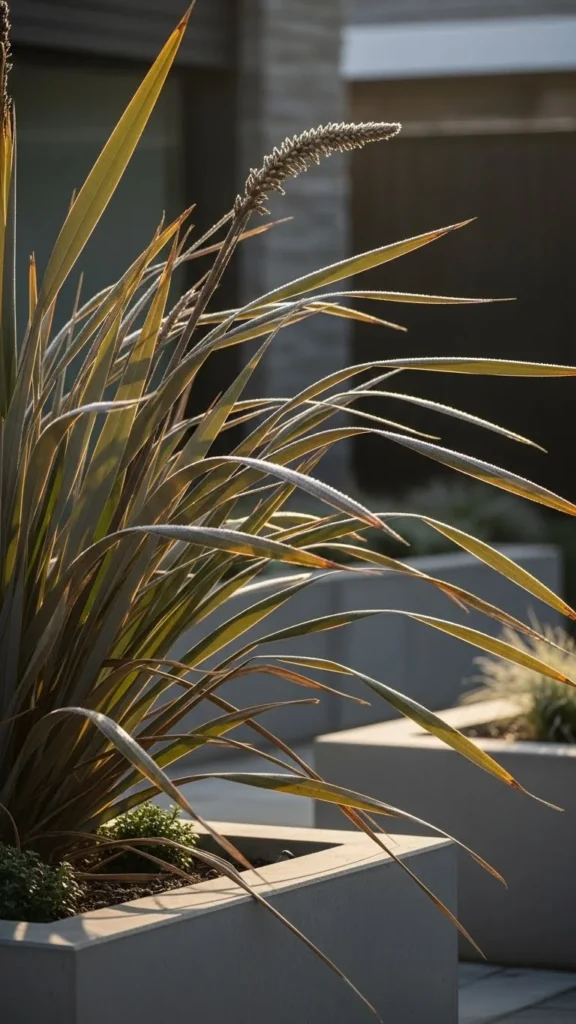
Phormium brings long, sword-like leaves that stay bold through winter. The arching shape adds drama and movement.
Plant in sheltered spots with good drainage. Containers work well in colder regions.
Remove damaged leaves by cutting at the base. This keeps the plant tidy.
Phormium works as a focal point. The strong lines stand out against softer ground textures, even in cold light.
21. Snowdrops (Foliage Stage)
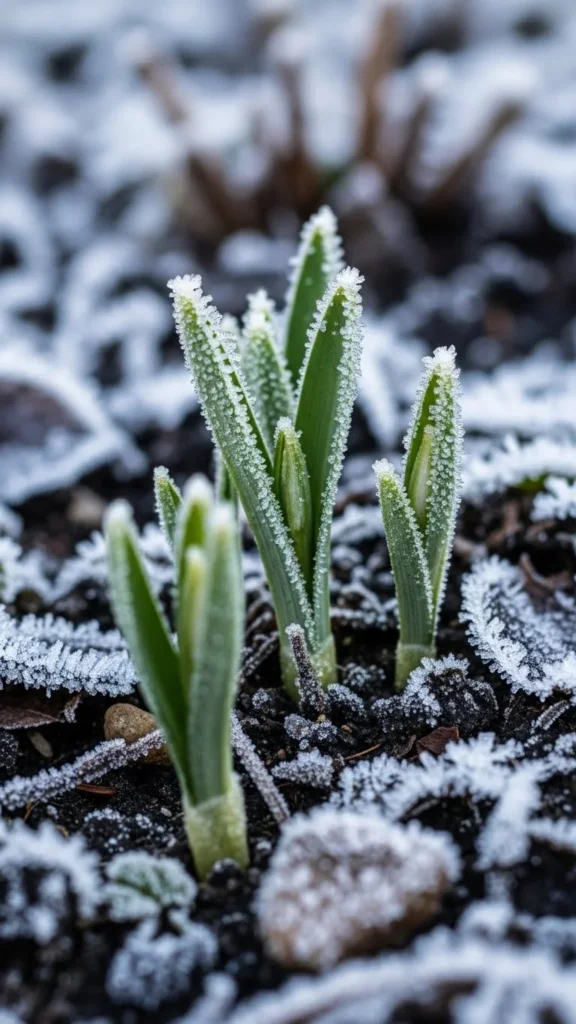
Snowdrop foliage appears early and adds fine texture close to the ground. The narrow leaves break up bare soil.
Plant bulbs in groups for impact. They spread slowly over time.
Leave foliage until it fades naturally. This helps bulbs return next year.
Snowdrops work well under trees or along borders. Even before blooms, the foliage adds life and texture to winter beds.
22. Carex
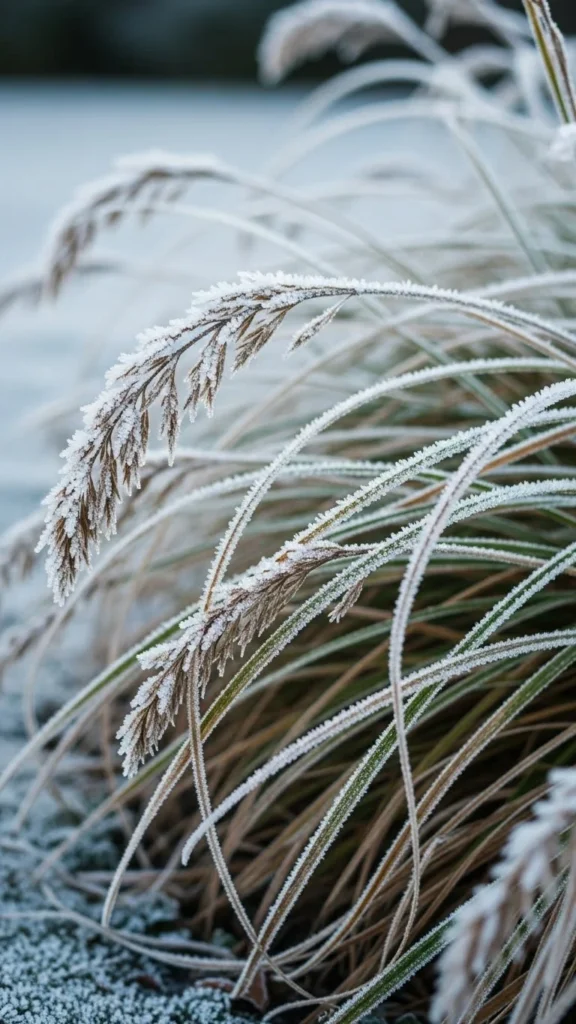
Carex grasses keep arching blades through winter. The form stays soft yet defined.
Plant in moist but drained soil. Many varieties handle shade well.
Divide clumps every few years to refresh growth and expand coverage.
Carex blends well with shrubs and stones. The flowing texture softens hard edges and keeps beds from feeling empty.
23. Cotoneaster
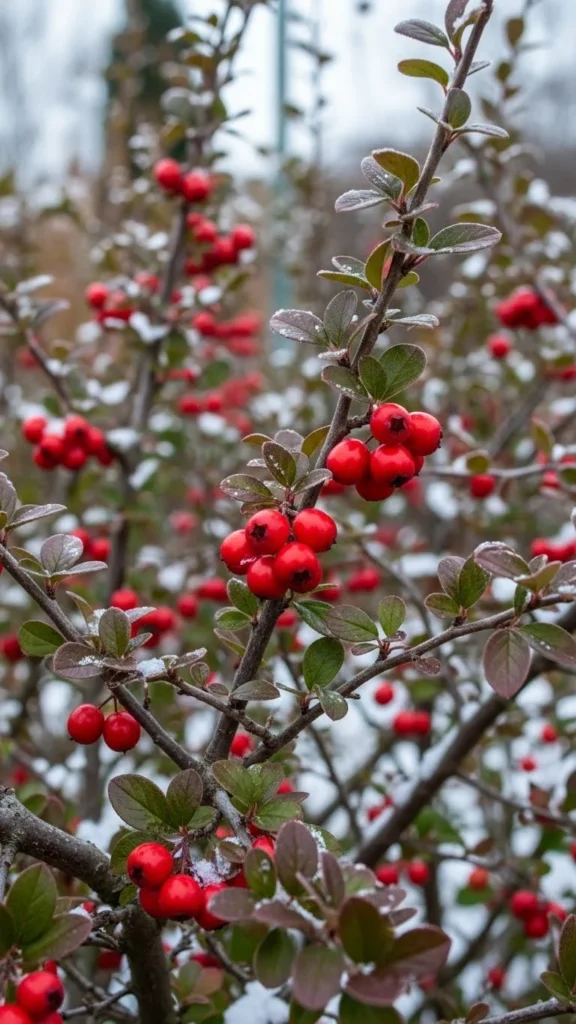
Cotoneaster brings small leaves, berries, and branching patterns. The layered structure adds depth.
Use it as groundcover or low hedging. It handles pruning well.
For budget planting, propagate from cuttings. They root easily.
Cotoneaster fills space without fuss. The mix of stems and foliage keeps winter beds visually active.
24. Fatsia Japonica
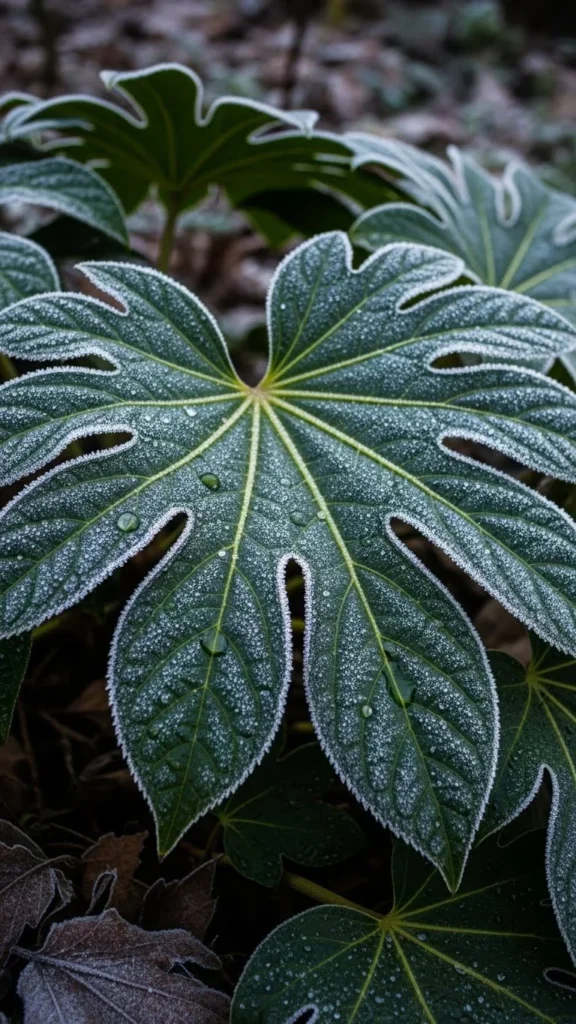
Fatsia offers large, glossy leaves that hold through winter. The bold shape adds contrast to finer textures.
Plant in sheltered, shaded areas. Mulch roots lightly.
Remove damaged leaves as needed. The plant stays tidy with minimal effort.
Fatsia works near entrances or patios. The leaf size draws attention even in low winter light.
25. Mahonia
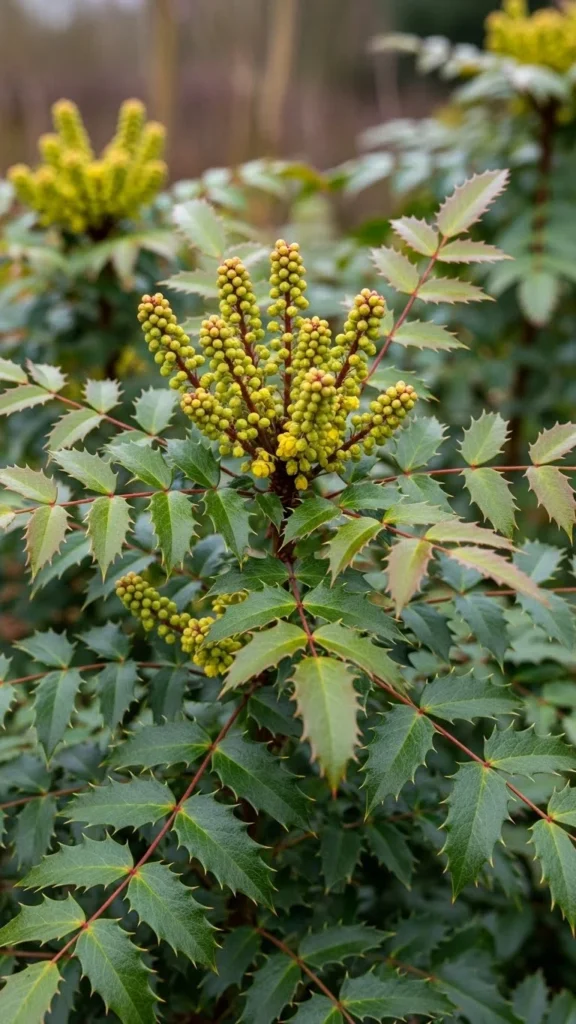
Mahonia has spiky evergreen leaves that stay firm. The texture feels strong and architectural.
Plant in partial shade. It handles poor soil well.
Prune lightly after flowering if needed. Let it keep a natural shape.
Mahonia adds structure to shaded winter gardens. The leaf form stands out against softer plants.
26. Holly Fern
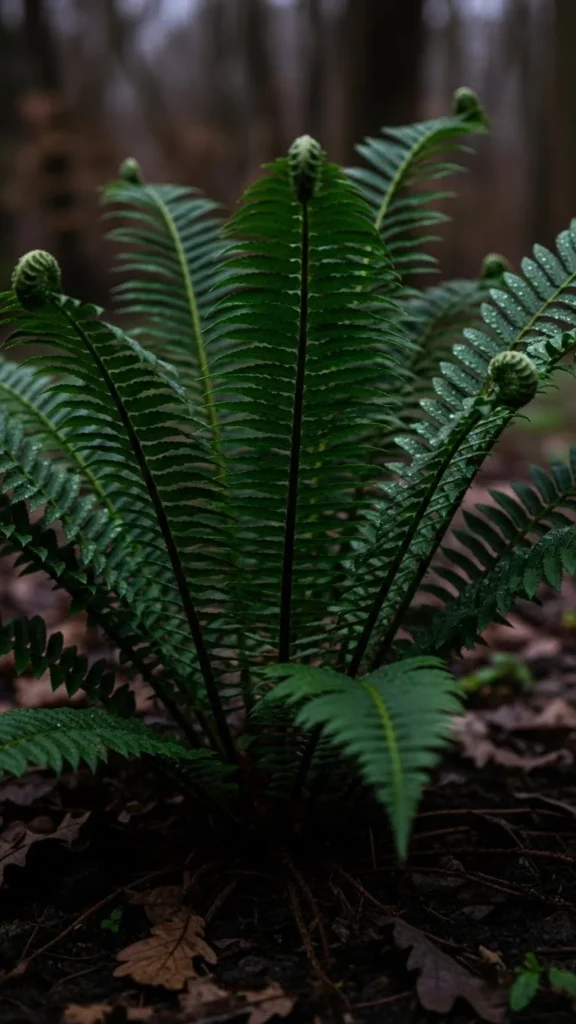
Holly fern keeps stiff, glossy fronds through winter. The upright form adds rhythm to shaded areas.
Plant in moist, drained soil. Mulch with leaf litter.
Remove old fronds in spring. Let them protect the crown in winter.
Holly fern pairs well with stones and tree roots. The texture feels calm and steady during cold months.
27. Juniper

Juniper offers fine needles and spreading forms. The texture works well as groundcover or low shrubs.
Plant in sunny spots with good drainage. It handles cold and wind well.
Minimal pruning keeps shape simple. Avoid heavy cuts in winter.
Juniper fills large areas on a budget. The steady form anchors beds through winter.
28. Echinacea Seed Heads
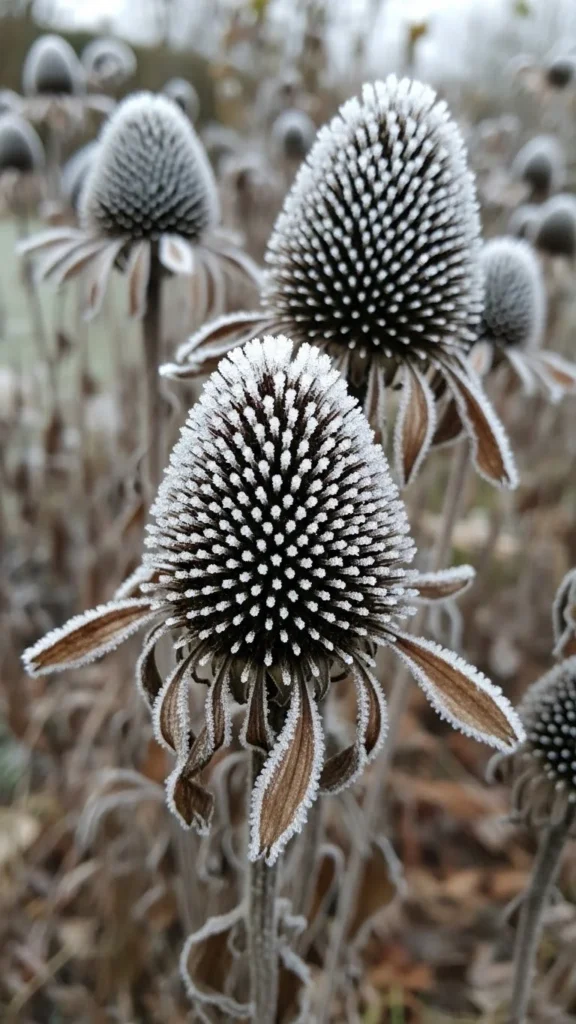
Echinacea leaves behind sturdy stems topped with cone-shaped seed heads. The structure stands through winter.
Leave stems intact until spring. Birds feed on seeds, adding movement.
Divide plants every few years to expand beds without cost.
The seed heads catch snow and light. They add vertical interest and keep borders from looking bare during cold months.
Conclusion
Winter gardens do not rely on color alone. Texture carries the season. Strong stems, layered leaves, seed heads, and evergreen forms keep outdoor spaces engaging even on cold days. These ornamentals prove that structure can come from simple choices and steady plants. By letting the right features stand through winter, gardens stay intentional and inviting until growth returns.

Leave a Reply