

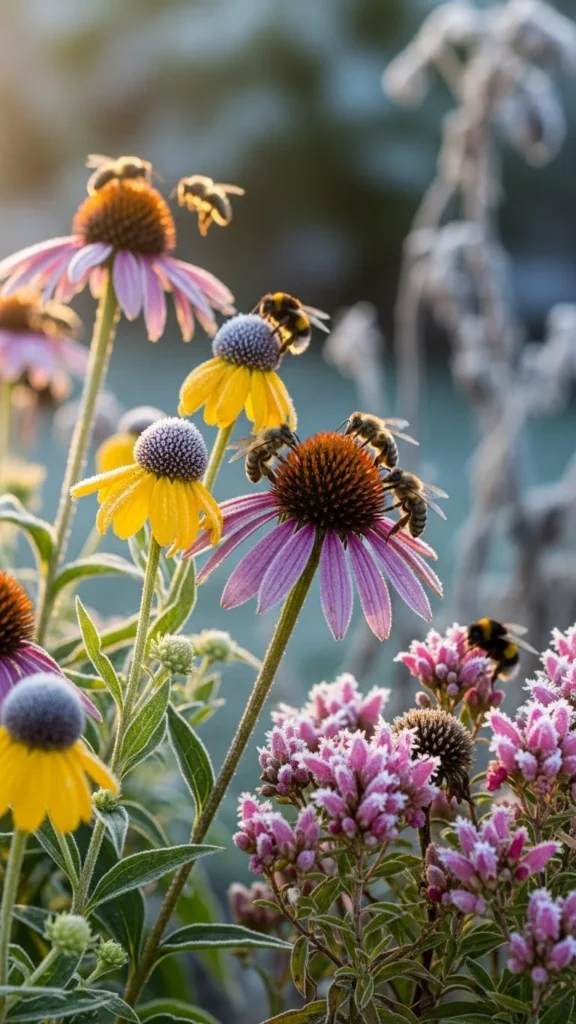
Winter does not have to be quiet or empty for pollinators. In many regions, insects stay active on mild days and rely on plants that bloom, seed, or shelter during colder months. Adding winter-friendly pollinator plants helps bees, butterflies, birds, and beneficial insects find food when options are limited. This list focuses on hardy plants, easy care choices, and budget-smart ways to support wildlife right in your yard, patio, or garden beds.
1. Winter Heather (Erica carnea)
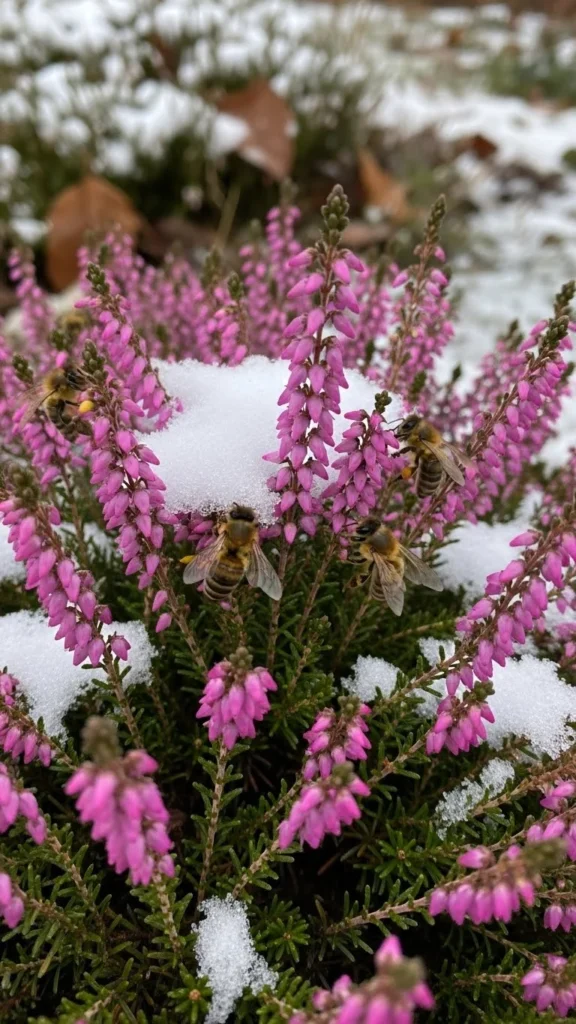
Winter heather is one of the earliest bloomers you can plant. Tiny bell-shaped flowers appear when many gardens look bare. Bees often visit on warmer winter afternoons. This plant stays low, spreads gently, and works well along paths or borders.
You can plant it in the ground or in wide containers. It handles cold well and does not ask for special care. Once established, it handles dry spells without fuss. For tight budgets, start with small nursery plants. They fill in quickly over time.
Winter heather pairs nicely with rocks, gravel, or evergreen shrubs. That helps block wind and keeps roots steady. Trim lightly after blooming to keep it tidy. Avoid heavy pruning.
If you rent or garden in small spaces, use one container near a sunny wall. That warmth attracts early insects. Even one plant can help wildlife during cold months.
2. Hellebores (Lenten Rose)
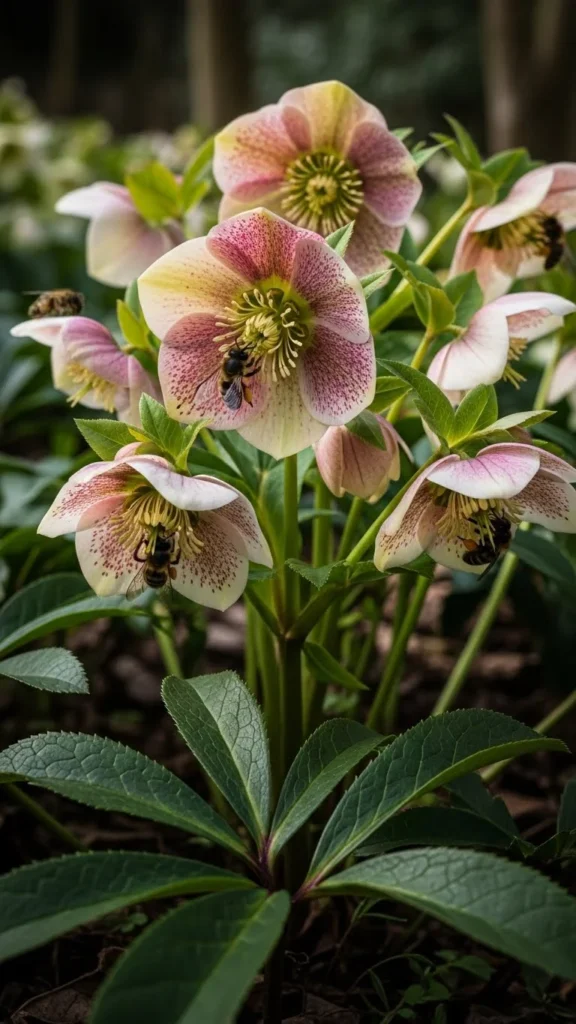
Hellebores bloom when little else does. Their open flowers offer pollen to bees during mild winter days. They thrive in partial shade and work well under trees or along fences.
These plants last for years. One purchase can support wildlife for a long time. Look for bare-root plants to save money. They establish well when planted in cool seasons.
Hellebores like well-drained soil. Mix compost into the planting hole using kitchen scraps or leaf mold. That keeps costs low. Once planted, they ask for little attention.
Leave old leaves until late winter. They help protect buds from cold snaps. Remove damaged foliage just before blooming if needed.
They also work well in containers. Place pots near doors or windows where winter sun reaches. You get flowers and pollinator visits in one spot.
3. Mahonia
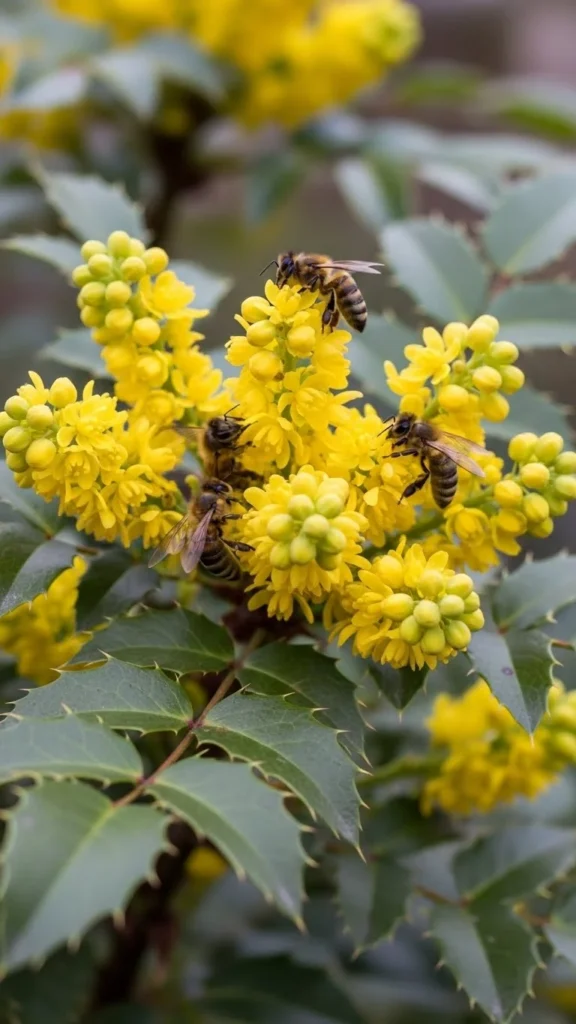
Mahonia shrubs bloom with bold yellow flowers that draw bees even on cool days. The flowers grow in clusters, making them easy targets for insects.
Mahonia works as a hedge, screen, or single accent plant. It handles shade better than many flowering shrubs. That makes it useful in tricky spots.
Young plants cost less and grow steadily. Mulch with fallen leaves to protect roots and hold moisture. No store-bought mulch required.
Mahonia also produces berries later, helping birds. Planting one shrub supports more than one type of wildlife.
Prune lightly after flowering if needed. Leave most growth alone so insects and birds benefit. Once settled, this plant manages cold without extra care.
4. Witch Hazel
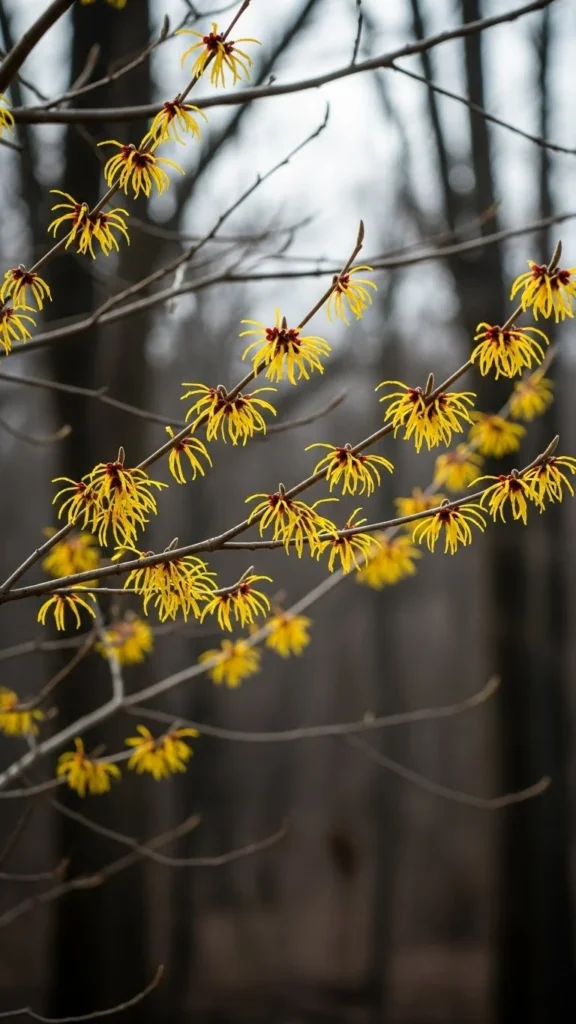
Witch hazel blooms when trees stand bare. Its thin petals curl and stretch along branches, offering pollen when few options exist. Bees often visit during sunny winter spells.
This shrub grows slowly and lives for decades. It works well as a focal plant in yards or larger gardens. Choose a spot with space to grow.
Start with a young plant to save money. Water well the first year. After that, it handles cold and dry periods better.
No heavy pruning required. Remove damaged branches only. Leaving natural shape helps wildlife find shelter.
Plant near walkways or windows so you notice winter activity. Seeing bees in cold months reminds you why winter planting matters.
5. Sweet Box (Sarcococca)
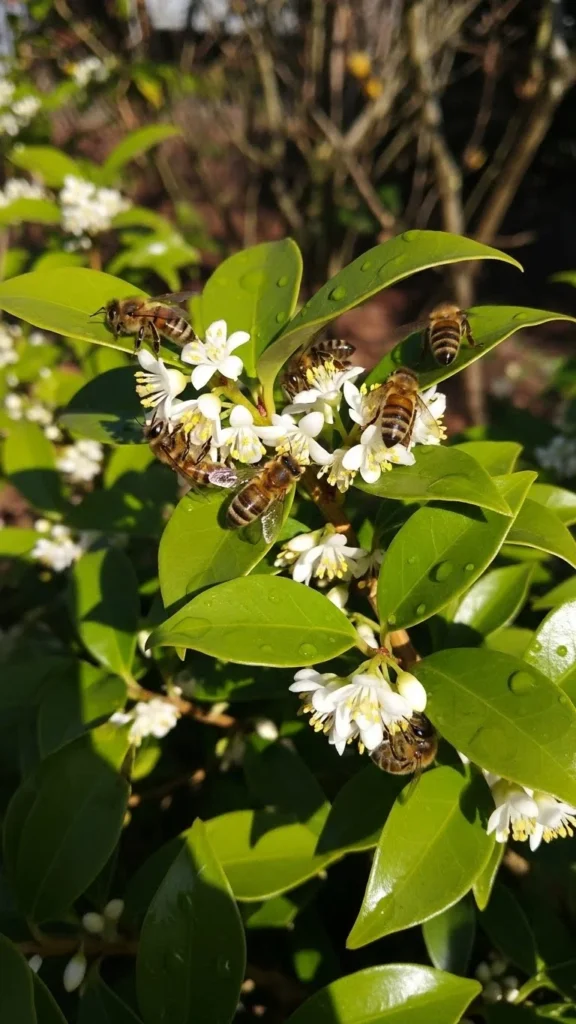
Sweet box blooms with small white flowers that carry a strong scent. Bees can find it easily, even in shaded areas. This makes it useful where sun-loving plants struggle.
It grows slowly and stays compact. That makes it good for small yards, patios, or entryways. It also works well in containers.
Buy small plants to keep costs down. They spread gradually and fill gaps over time. Use leaf mulch to protect roots.
Sweet box handles cold and shade without fuss. Avoid trimming during bloom. Let flowers stay so insects can feed.
Place near doors or paths so scent carries on warmer days. It adds life to quiet winter spaces.
6. Winter Honeysuckle
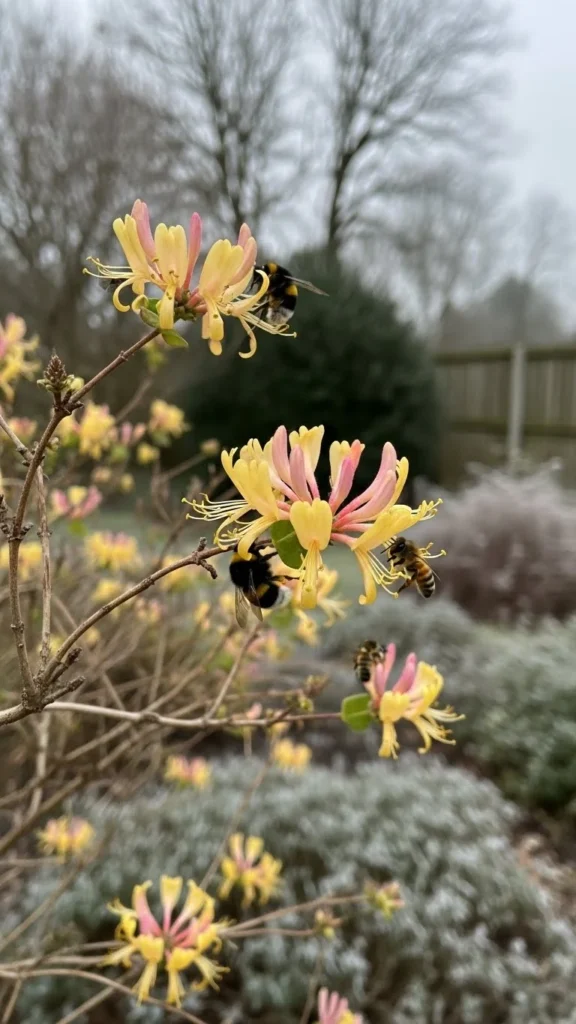
Winter honeysuckle blooms early and fills air with scent. Bees and other insects visit when temperatures rise slightly. Flowers appear on bare stems, making access easy.
This shrub grows fast. Plant it where it has room. For small spaces, prune lightly after flowering.
Cuttings root easily. Share plants with neighbors or grow more without spending money. Just place cuttings in moist soil.
Winter honeysuckle tolerates cold and poor soil. Add compost if available, but it grows without special mixes.
Avoid over-pruning. Natural growth offers shelter for insects during cold nights.
7. Crocus
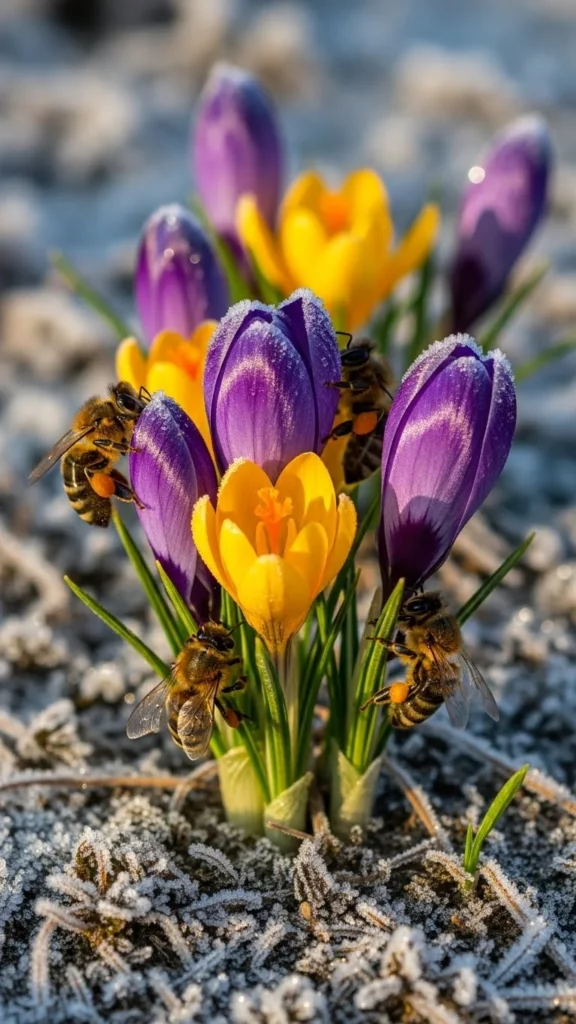
Crocus bulbs bloom early and provide quick pollen for bees. They work well in lawns, beds, and containers.
Bulbs cost little and multiply over time. Plant in fall and enjoy years of blooms. Scatter them naturally for best effect.
Crocus does not need special care. Leave leaves after flowering so bulbs store energy.
Even a small patch helps pollinators. Plant near sunny spots where snow melts first.
They fit well into busy schedules. Plant once, then let nature handle the rest.
8. Snowdrops
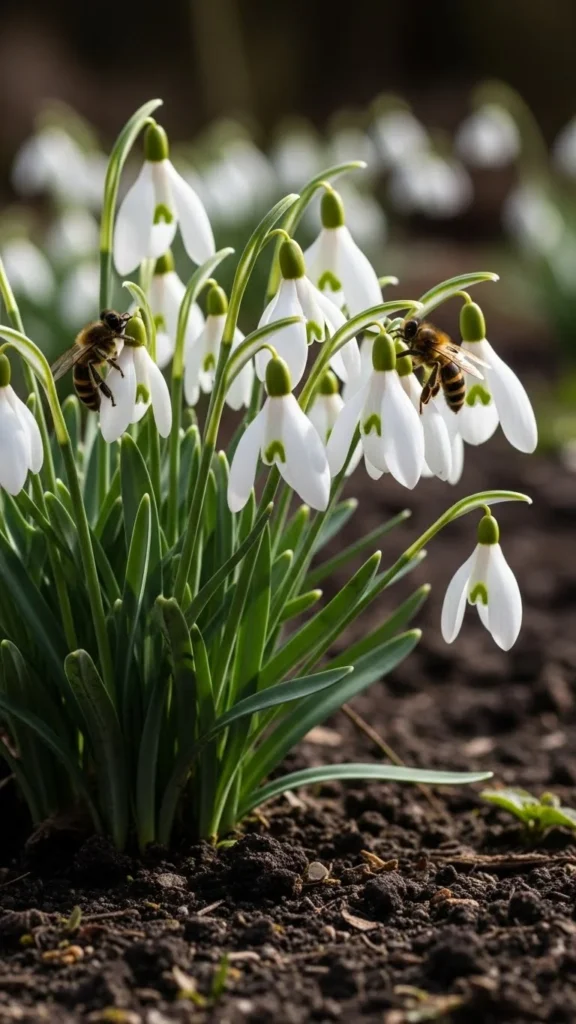
Snowdrops bloom very early and signal food for insects. Bees often visit on mild days.
They spread slowly and form clusters over time. Start with a small group to save money.
Snowdrops grow well under trees and shrubs. No heavy care required.
Divide clumps after flowering to expand coverage without buying more plants.
They blend well with other early bloomers for steady winter support.
9. Winter Aconite
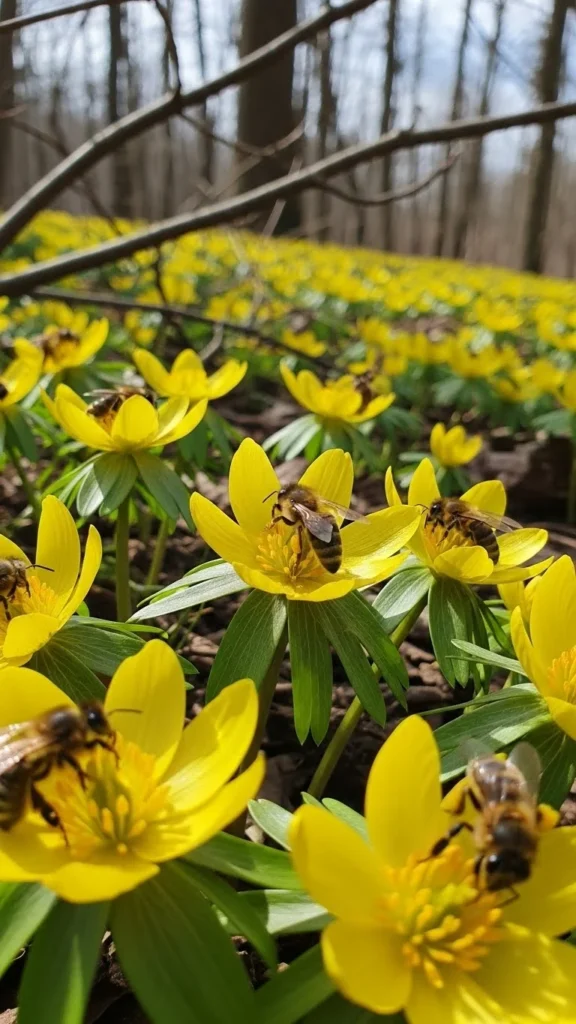
Winter aconite forms bright yellow carpets that attract insects. Bees spot them easily.
Plant tubers in fall. They spread slowly but steadily.
They prefer well-drained soil. Add compost if soil feels heavy.
Once established, they return yearly without extra work.
Use them under trees or shrubs where grass struggles.
10. Rosemary
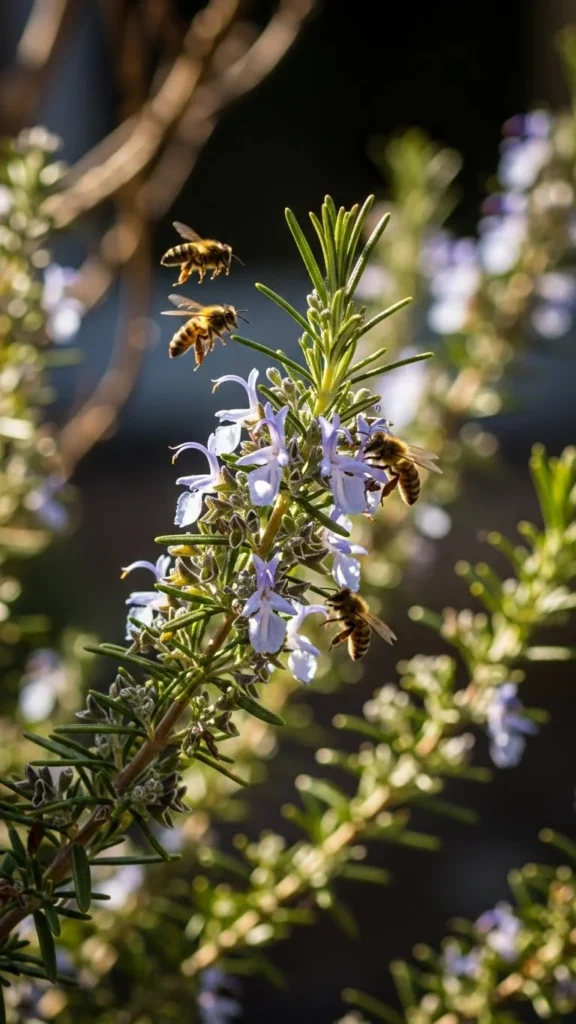
Rosemary blooms in mild winter climates. Flowers offer nectar when few herbs do.
Grow it in pots if ground freezes hard. Move containers near walls for warmth.
Cuttings root easily. Grow more plants without cost.
Use leaves for cooking while supporting insects at the same time.
Good drainage keeps it happy during cold months.
11. Calendula
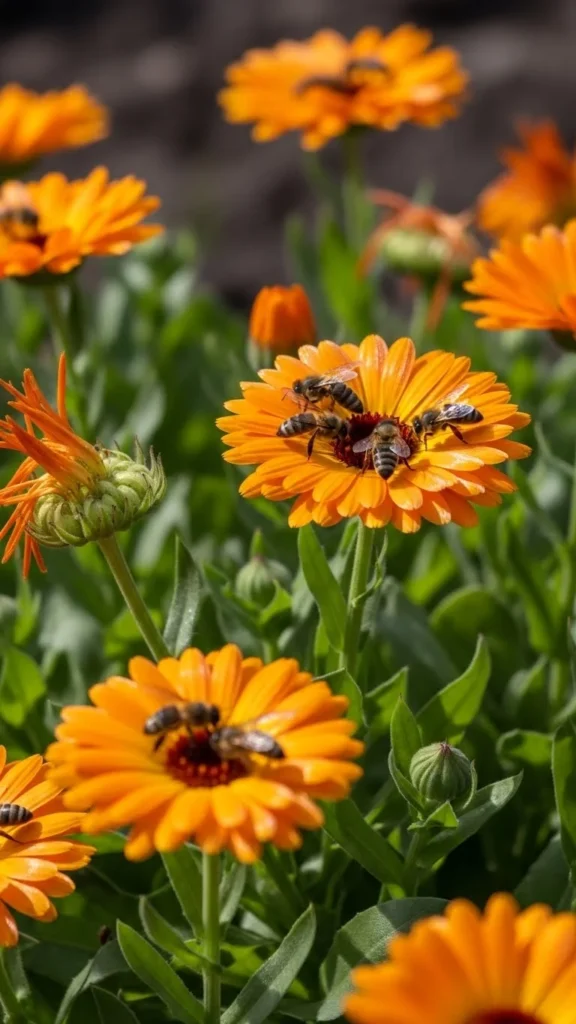
Calendula blooms during cool weather in many regions. Bees visit whenever flowers open.
Grow from seed to save money. Scatter seeds in beds or pots.
Deadhead lightly to keep blooms coming.
Calendula tolerates light frost and poor soil.
Even one pot supports winter insects.
12. Alyssum
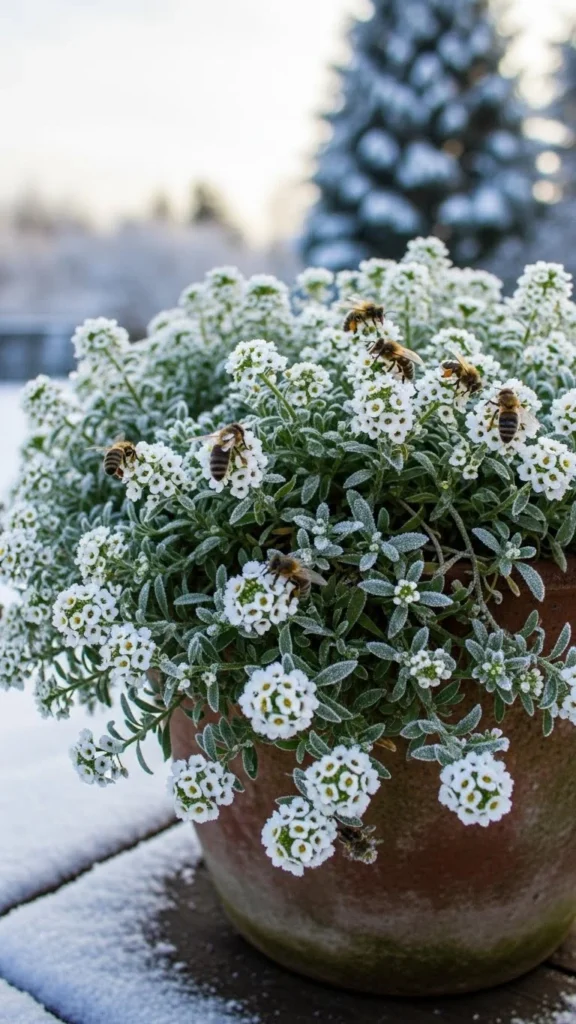
Alyssum blooms during cool spells and draws small pollinators.
It grows fast from seed and costs very little.
Plant in containers or borders. Let it spill naturally.
Trim lightly if it looks leggy.
A good filler plant for winter gardens.
13. Cornelian Cherry Dogwood
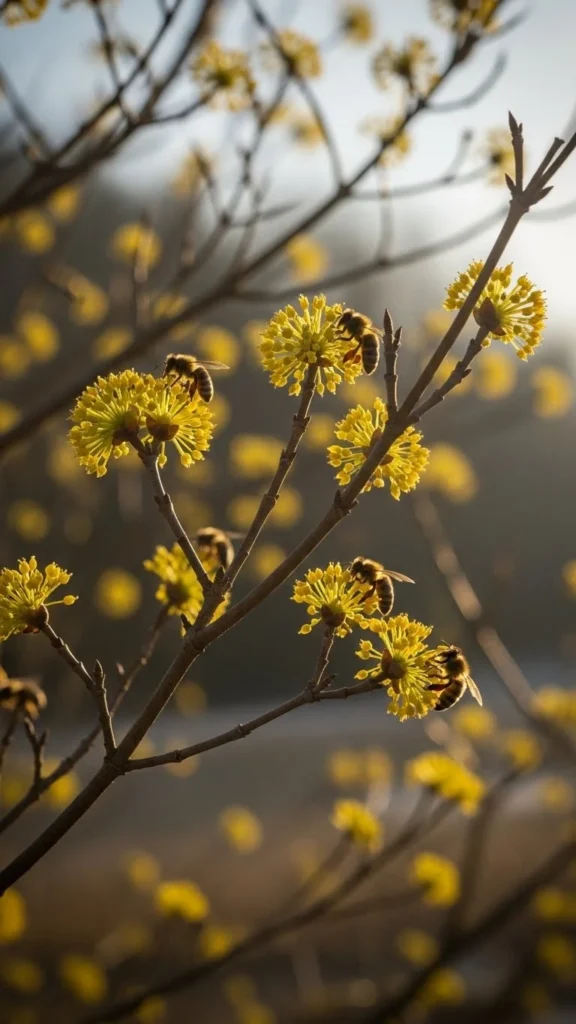
This tree blooms early and feeds insects before leaves appear.
Young trees cost less and establish well.
Plant where roots have space.
Later fruit supports birds too.
Minimal care once planted.
14. Winter Jasmine
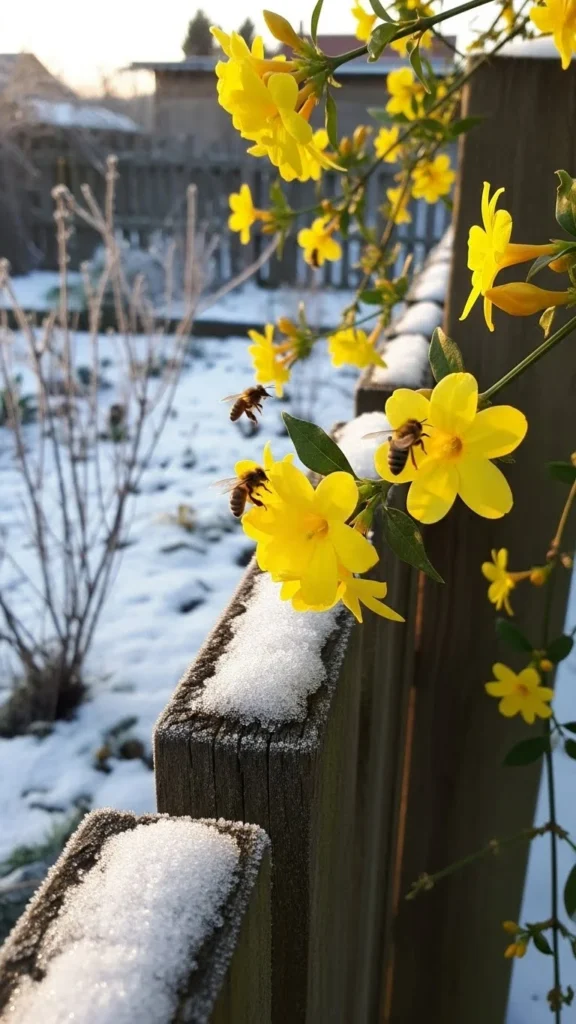
Winter jasmine blooms on bare stems. Bees visit during sunny spells.
It spreads easily and roots from cuttings.
Train along fences or walls.
No rich soil needed.
Good for slopes or hard spots.
15. Heather (Calluna vulgaris)
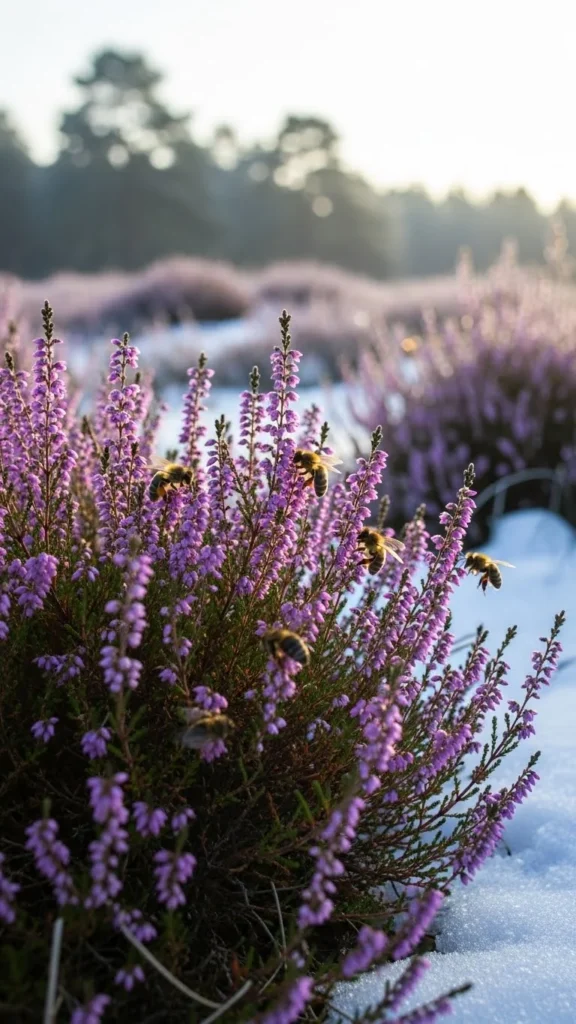
Calluna blooms later than other heathers and supports insects longer.
Plant in groups for better effect.
Needs good drainage and light.
Trim lightly after flowering.
Works well in beds or pots.
16. Viburnum tinus
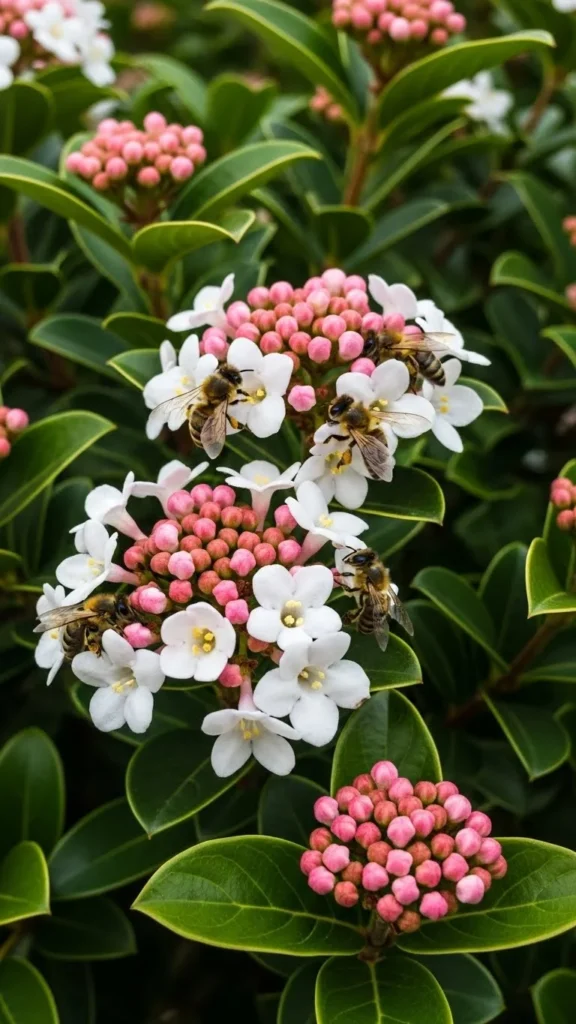
This shrub blooms through winter and feeds insects steadily.
Evergreen leaves offer shelter.
Young plants grow well and cost less.
Water during dry spells only.
Good hedge choice.
17. Skimmia
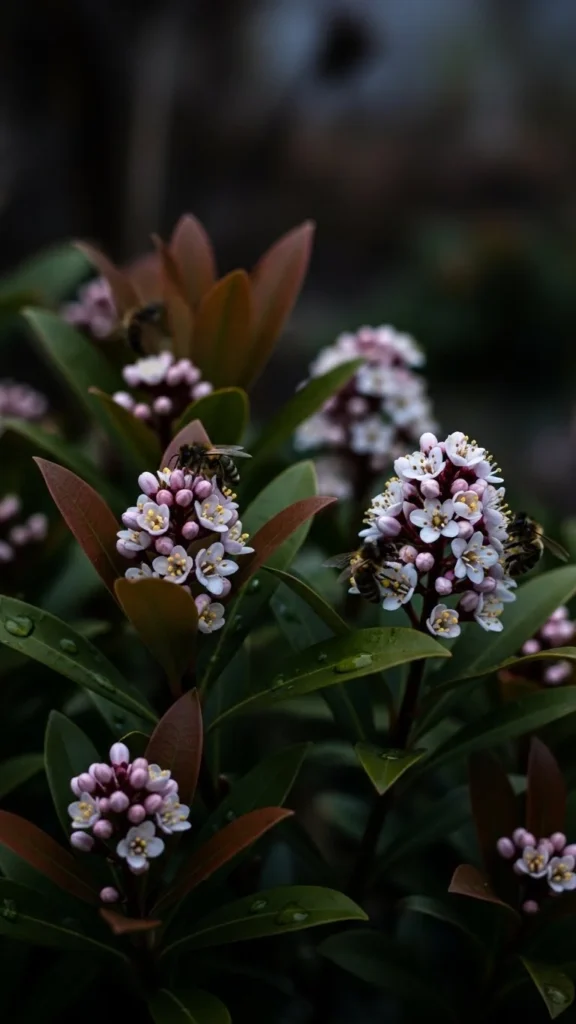
Skimmia blooms in shade and cool weather.
Works well in containers.
Slow-growing and tidy.
Mulch with leaves to protect roots.
Supports insects and birds.
18. Primrose
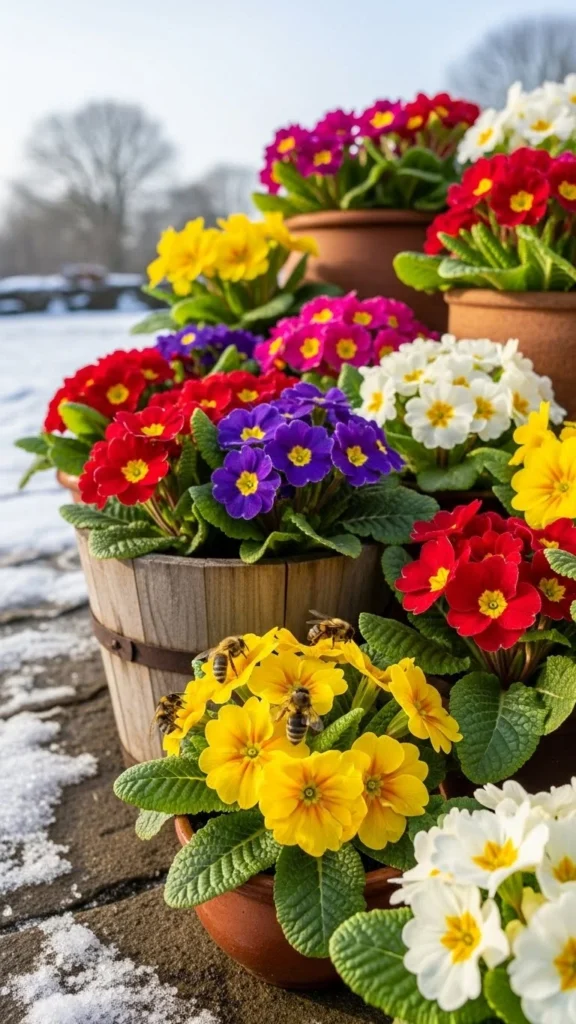
Primroses bloom early and attract bees.
Grow from plugs or seed.
Use pots for easy placement.
Water lightly and protect from hard frost.
Great for patios.
19. Lungwort
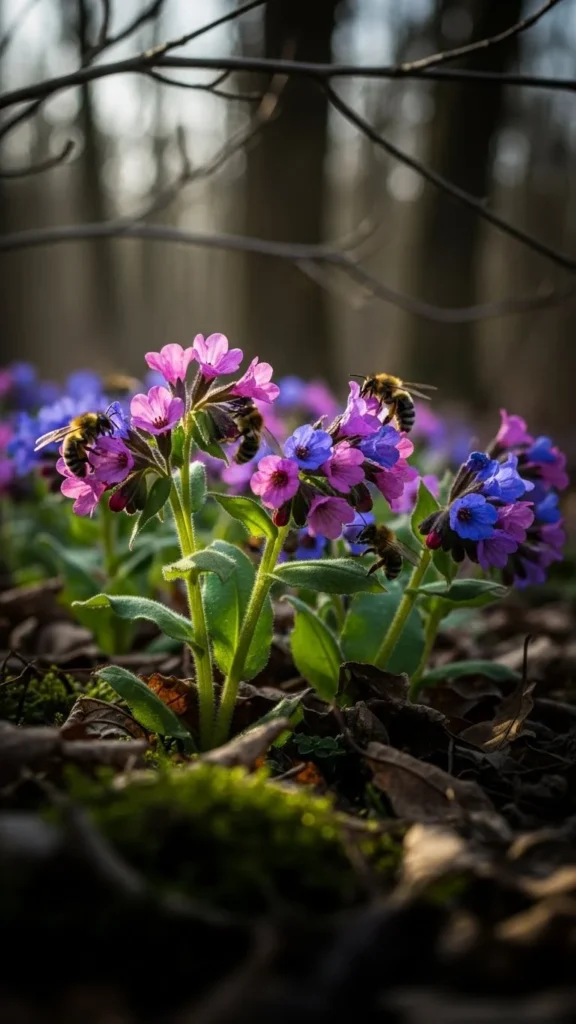
Lungwort blooms early and changes color as it ages.
Good ground cover.
Handles shade well.
Divide clumps to spread plants.
Helps insects in woodland gardens.
20. Camelias
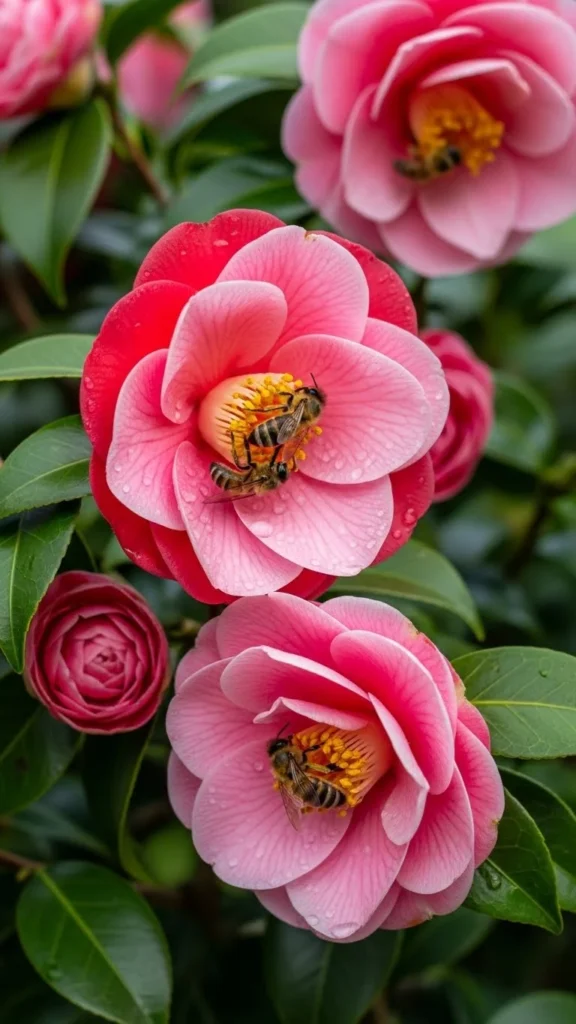
Camellias bloom in late winter and support insects.
Plant in sheltered spots.
Mulch roots well.
Long-lived shrubs.
Worth the space.
21. Deadnettle
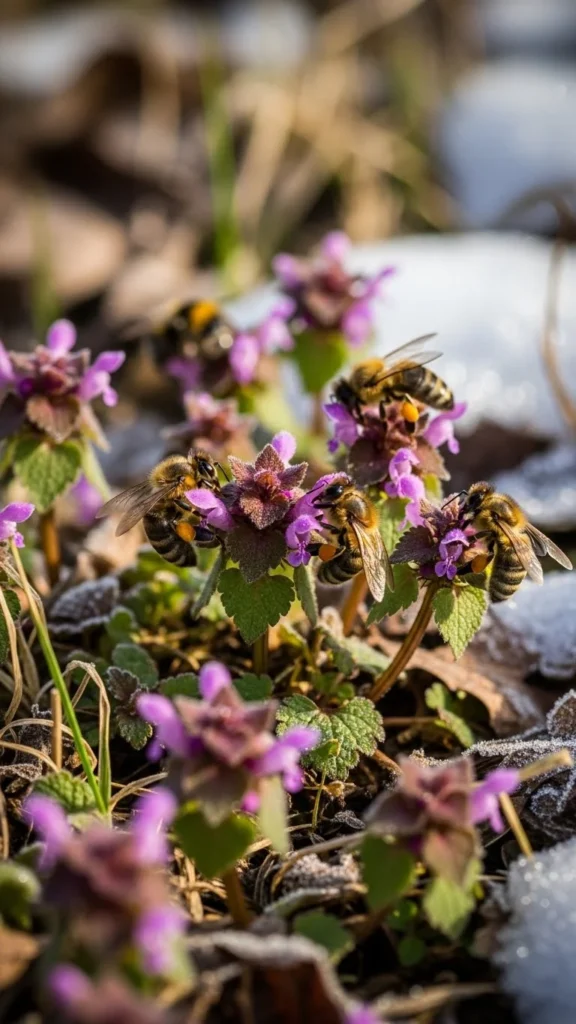
Deadnettle blooms early and spreads easily.
Grows in poor soil.
No special care.
Good ground cover.
Helpful for small insects.
22. Pussy Willow
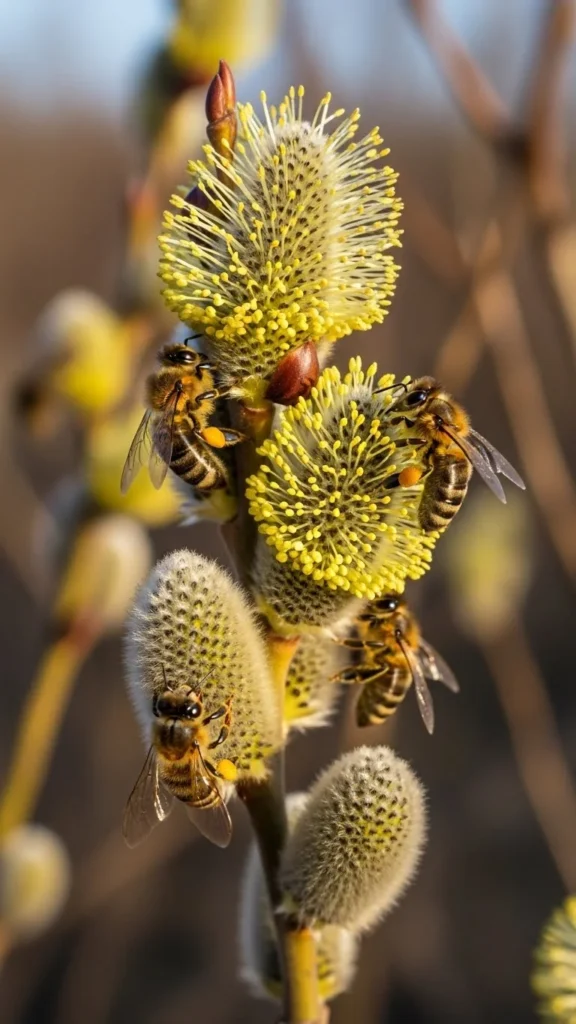
Pussy willow catkins provide early pollen.
Plant near water or moist soil.
Fast-growing and easy.
Prune lightly if needed.
Good for wildlife zones.
23. Ivy
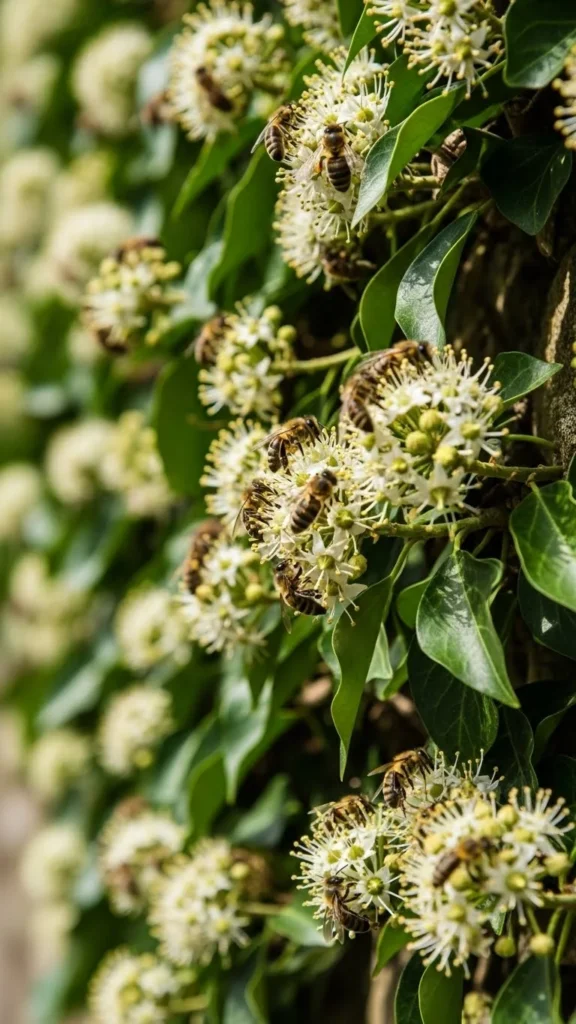
Ivy blooms late and feeds insects when little else does.
Grow on walls or fences.
Low care once settled.
Avoid heavy trimming during bloom.
Strong winter food source.
Conclusion
Winter gardens can support wildlife with simple plant choices and small efforts. Even one container or shrub offers food and shelter during colder months. By planting winter-blooming flowers, herbs, and shrubs, you help pollinators survive and return stronger when warmer days arrive. Start small, plant what fits your space, and let your winter garden stay active and alive.

Leave a Reply