

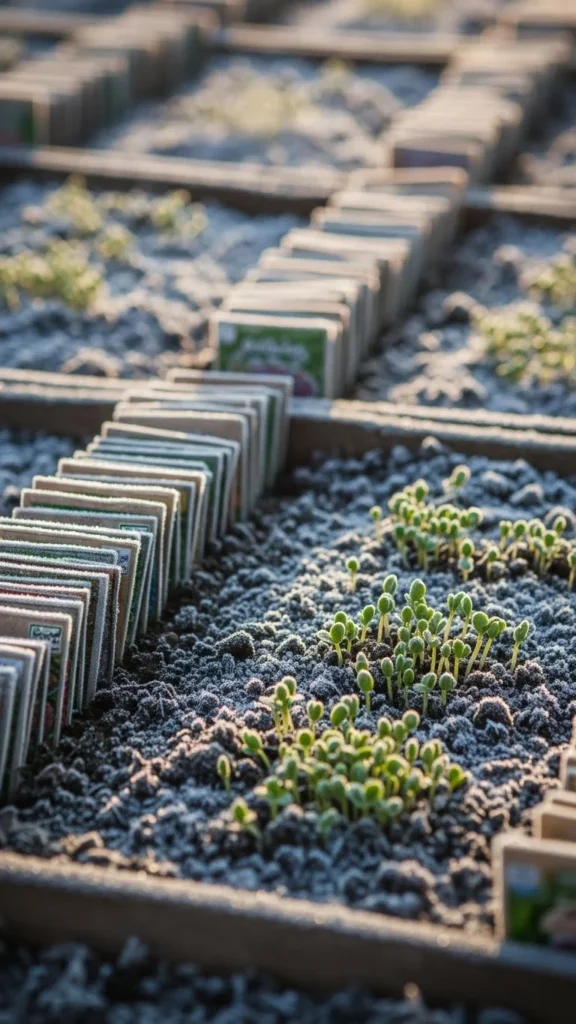
Winter doesn’t mean gardening has to pause. The right winter seed mixes keep your beds active, your soil alive, and your garden looking cared for even in cold weather. These mixes support hardy growth, germinate in cool soil, and return stronger when spring arrives. Whether you’re working with raised beds, open ground, or containers, these mix ideas help you grow without stress, fuss, or guesswork. Each option is simple, affordable, and friendly for beginners.
1. Cold-Hardy Pollinator Seed Mix
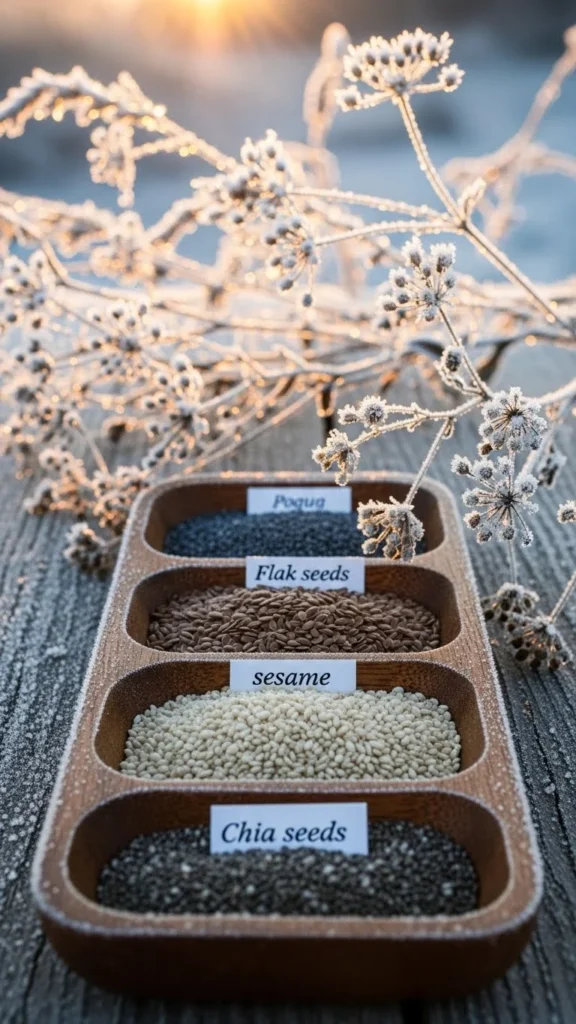
This mix brings gentle life to your winter beds with hardy blooms that don’t mind low temperatures. Look for varieties like calendula, borage, dianthus, and hardy phacelia. They sprout when temperatures rise slightly, and they hold strong even after light snow. Scatter them across borders or along pathways for early-season color. Keep the soil slightly moist with short, spaced-out watering. A light layer of straw helps keep the seeds from shifting. Try mixing in a handful of sand to spread them evenly. This works especially well in front yards where you want simple color without constant care. If your winters are extra cold, sprinkle seeds a bit deeper to protect them. They’ll settle quietly until warmer days arrive.
2. Winter Greens Seed Mix for Continuous Picking
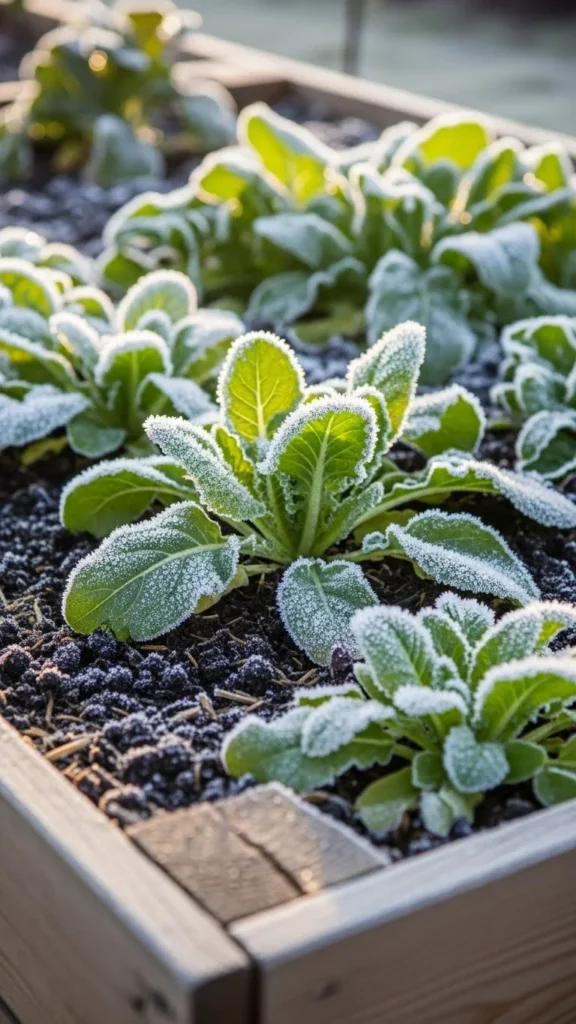
A winter greens mix is perfect if you want steady harvests even when the air feels icy. Combine spinach, tatsoi, claytonia, and kale. These greens tolerate cold naturally and keep growing slowly through winter. Sow them in weekly or bi-weekly batches for easy picking. Use a simple row cover if temperatures drop too low. Water lightly and avoid soaking the soil. If you’re gardening on a budget, repurpose a clear storage bin as a mini greenhouse. Scatter seeds close together for a thick, lush patch. Add compost before planting to help them settle. With this mix, you can walk out on chilly mornings and still gather crisp, flavorful leaves.
3. Frost-Tolerant Herb Seed Mix
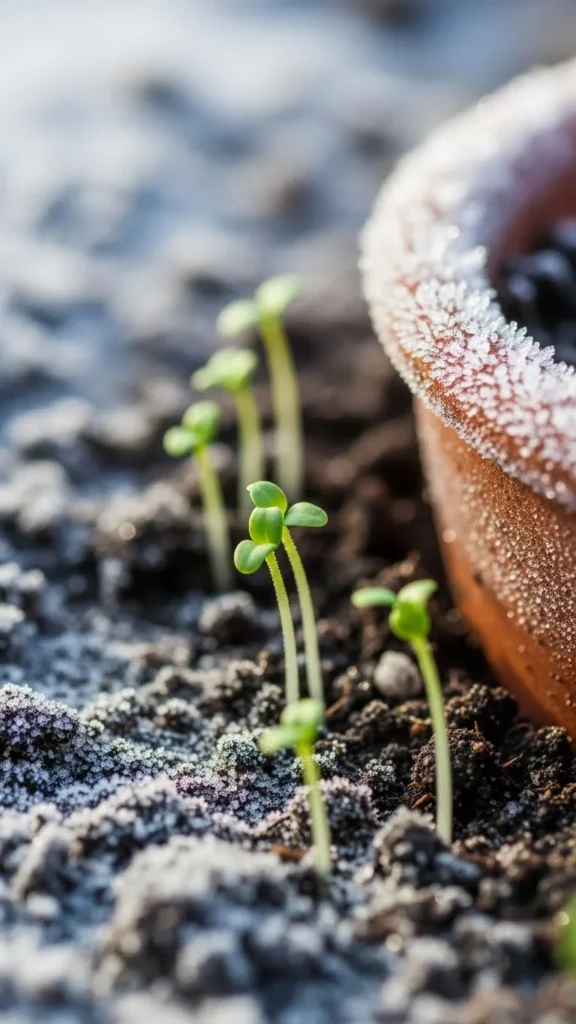
Growing herbs in winter is easier than most gardeners think. Choose hardy varieties like parsley, thyme, chives, and winter savory. These herbs stay low to the ground and handle cold weather well. Sprinkle them in containers or borders for simple access. If space is limited, mix the seeds into one pot and let them grow naturally. Keep soil slightly damp—not soaked—to avoid slowing development. Herbs grow slowly in colder months, so be patient. Add a thin layer of mulch to help maintain soil temperature. This mix adds fragrance and subtle greenery to your garden while giving you fresh flavor for meals all season long.
4. Woodland Shade Seed Mix for Cold Corners
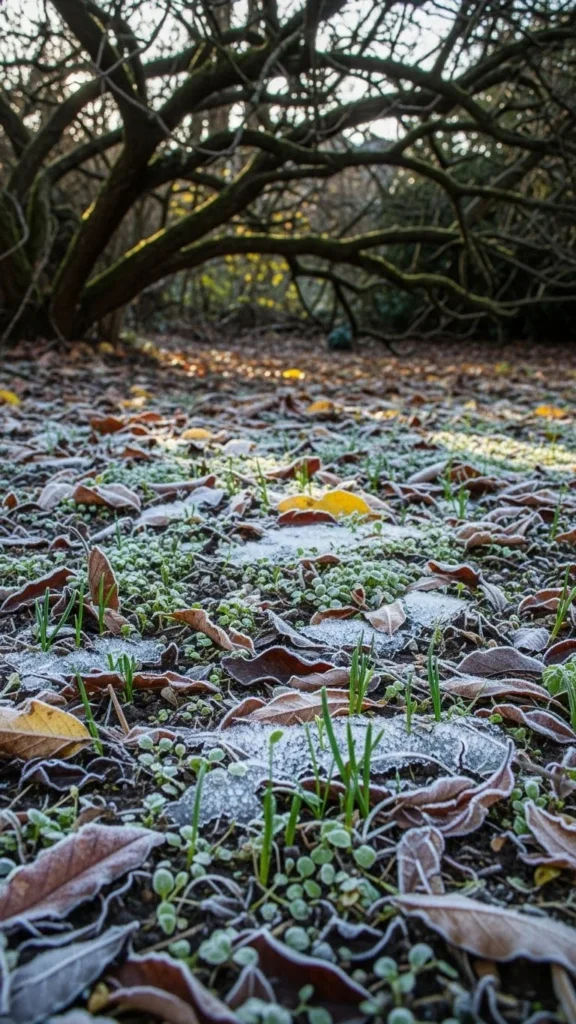
This mix thrives in areas that rarely see direct sunlight in winter. Choose seeds like sweet woodruff, Siberian iris, hellebore, and lungwort. These plants naturally grow in cool, shaded woodland spaces. Sprinkle the mix along fences or under trees. Rake aside thick leaves but keep a thin protective layer. Water sparingly because shaded soil stays moist longer. Add small stepping stones to help you check progress without stepping on the bed. This mix works especially well in problem spots where nothing else grows. With time, these plants form pretty clusters and add structure to your winter landscape.
5. Hardy Wildflower Seed Mix for Snowy Regions
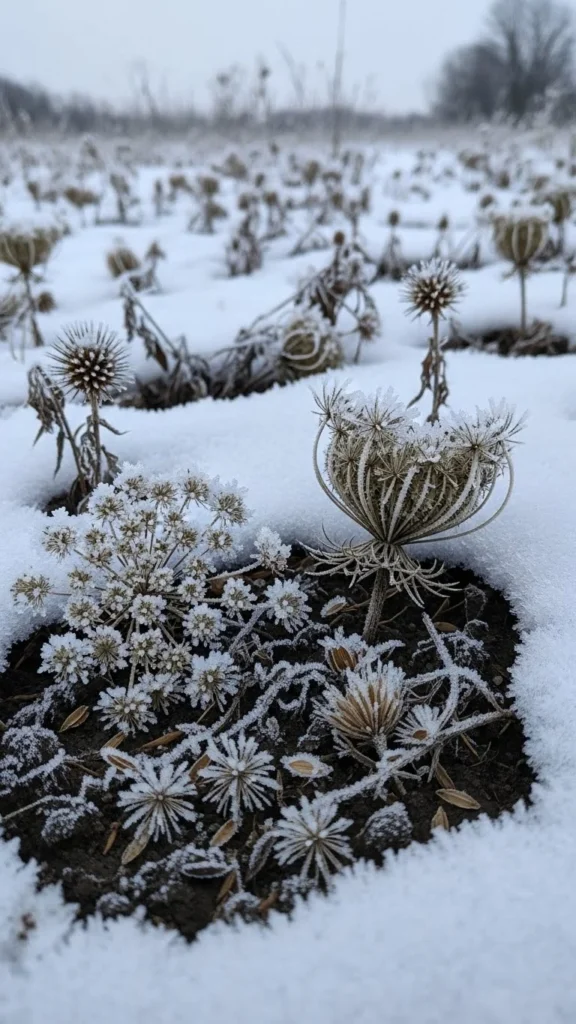
Wildflowers still thrive in regions with long winters if you choose rugged varieties. Look for coneflower, black-eyed Susan, coreopsis, and lupine. Spread them across large areas or open slopes. Snow actually helps press the seeds into the soil. Mix them with a bit of compost to give structure. If you have a sloping yard, plant along the incline to reduce soil wash-off. These flowers return yearly and fill empty winter spaces with texture. When spring comes, the mix wakes up and grows thick for an easy season ahead.
6. Winter Cover Crop Seed Mix for Healthy Soil

A cover crop mix keeps soil active during winter. Choose crimson clover, hairy vetch, and winter rye. They protect soil, add organic matter, and create loose earth for spring planting. Sprinkle the mix evenly, rake lightly, and water once. Cover crops grow slowly in winter but still protect your beds. When spring arrives, cut them down and let the greens break down gently. It’s a simple way to care for your soil without heavy work. Even small gardens benefit from this approach.
7. Hardy Meadow Seed Mix for Open Spaces

This mix is perfect for large yards or unused areas. Choose hardy meadow seeds like yarrow, milkweed, blue flax, and asters. Scatter generously for a natural look. Use a broad rake to scratch the surface lightly. Add a sprinkling of sand for easy spreading. These seeds rest quietly through winter and germinate as days warm. Meadow mixes add movement, soft texture, and long-term growth without constant gardening tasks. They also create habitat for helpful wildlife in spring.
8. Container-Friendly Winter Seed Mix
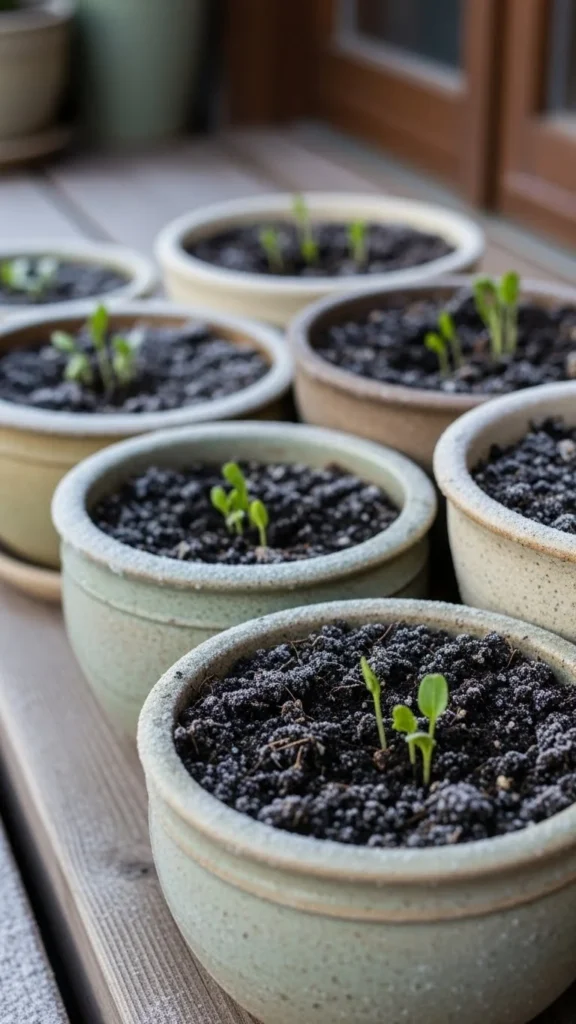
A container mix is great if you garden on patios or balconies. Combine dwarf pansies, violas, ornamental kale, and short-stem grasses. These seeds do well in compact soil and small spaces. Use a container with drainage holes. Add compost for structure and scatter seeds evenly. Water just enough to keep the soil from drying out. Place pots near a wall to block wind. If temperatures dip too low, move containers closer to the house for warmth. This mix adds instant charm to small outdoor areas.
9. Hardy Edible Flower Seed Mix
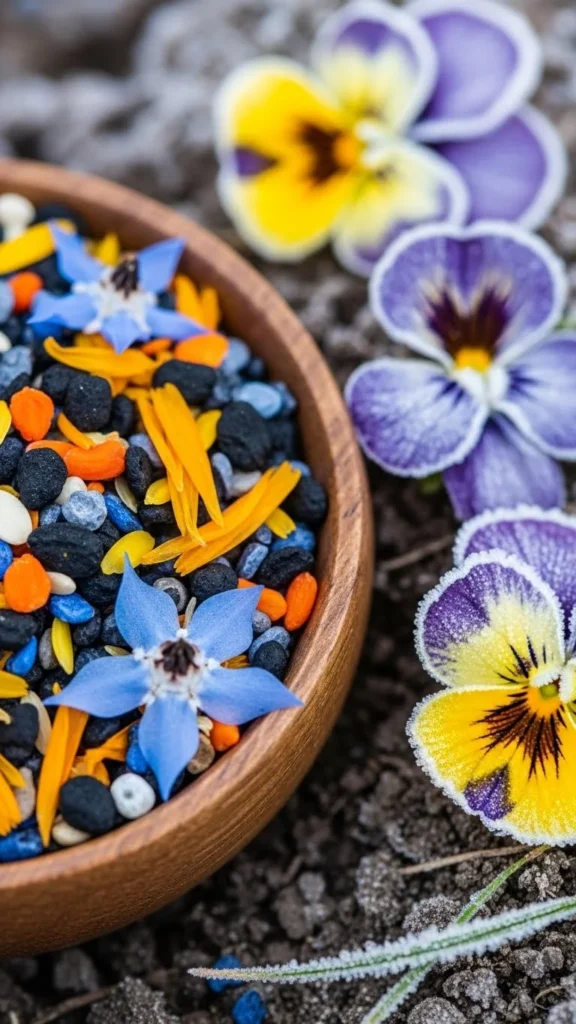
Edible flowers are a fun winter option. Choose viola, calendula, borage, and dianthus. Sprinkle them in garden beds, around borders, or in shallow trays. Keep the soil lightly moist. Add mulch if temperatures drop suddenly. These flowers grow slowly but steadily. They add color, texture, and a cheerful look to winter beds. The moment spring arrives, they perk up fully and produce generous blooms.
10. Early-Spring Awakening Seed Mix
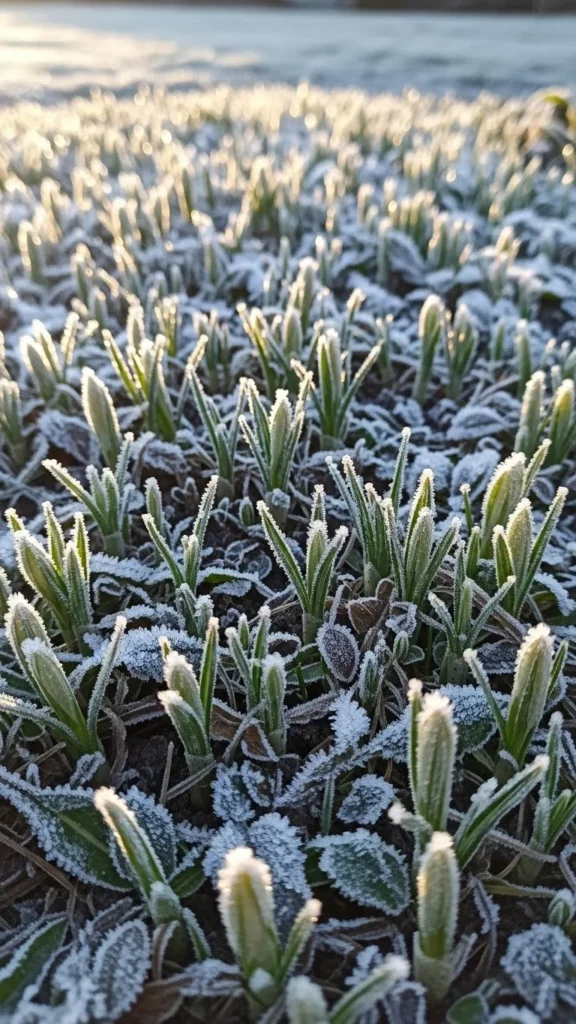
This mix is perfect if you want early growth without waiting long. Choose seeds like alyssum, snapdragon, phlox, and baby’s breath. Sow them before the coldest months settle in. They sit dormant until the first warm streak. Water lightly to keep soil from drying completely. Use a gentle compost layer on top. This mix works especially well along walkways or near windows where you want to enjoy the first signs of green as winter ends.
11. Shade-Tolerant Winter Grass Seed Mix
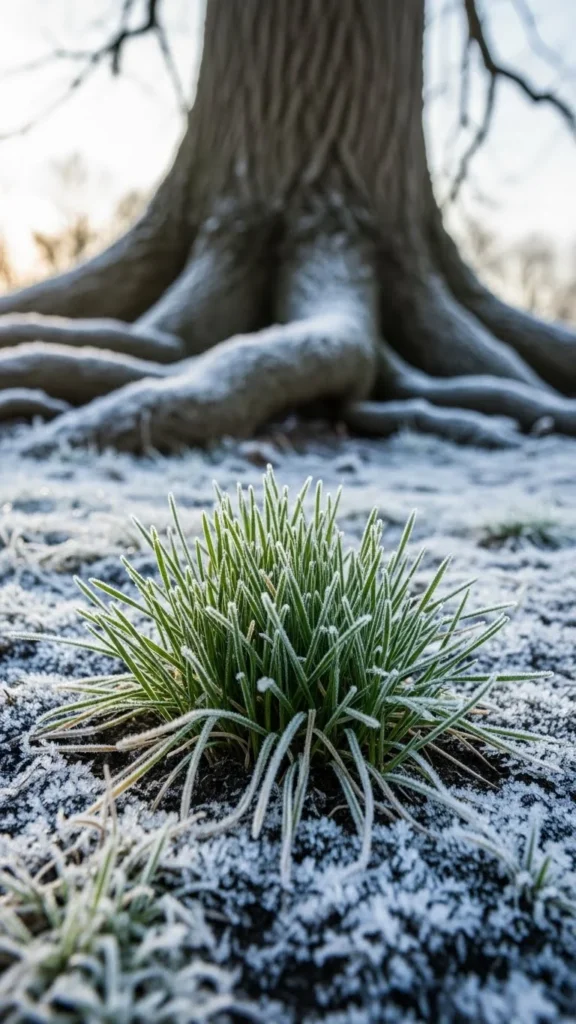
This mix is perfect for shadowed yards. Choose cool-season grasses like fescue and winter ryegrass. These grasses germinate even in cold months and thicken quickly. Scratch the soil surface lightly before spreading seeds. Water in short intervals. Add a thin layer of straw to protect new shoots. Over time, the patch becomes stronger and smoother.
12. Alpine-Style Winter Seed Mix
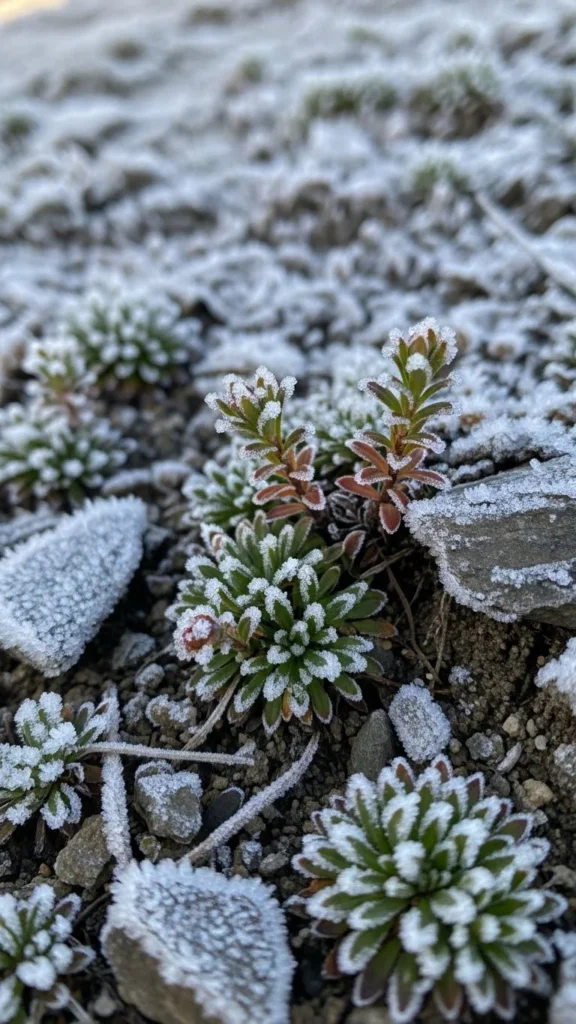
Alpine plants naturally grow in cold regions, which makes them perfect for winter sowing. Choose seeds like saxifrage, stonecrop, and alpine poppy. These varieties enjoy rocky, cool conditions. Add gravel to your soil mix to recreate their natural setting. Scatter seeds sparingly—alpines like space. Water lightly. These plants settle slowly but reward you with charming texture.
13. Low-Maintenance Winter Wildlife Mix
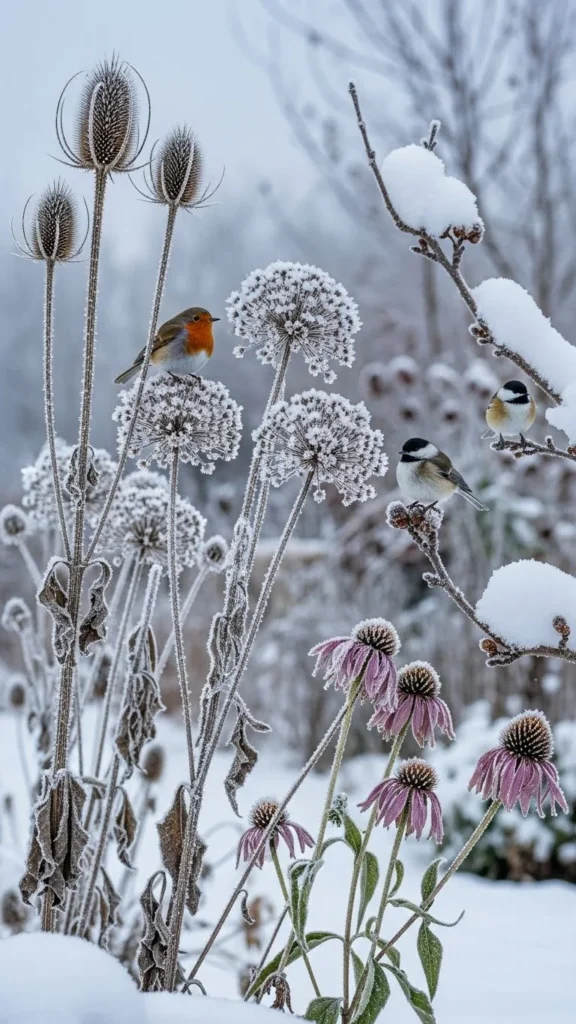
This mix supports small wildlife all season long. Choose seeds like clover, millet, and hardy grasses. Spread them across open areas or near fences. They create natural cover and soft growth. Water once after sowing, then let rain or snow handle the rest. This mix creates gentle movement, sound, and life in your winter garden.
14. Cut-Flower Winter Seed Mix
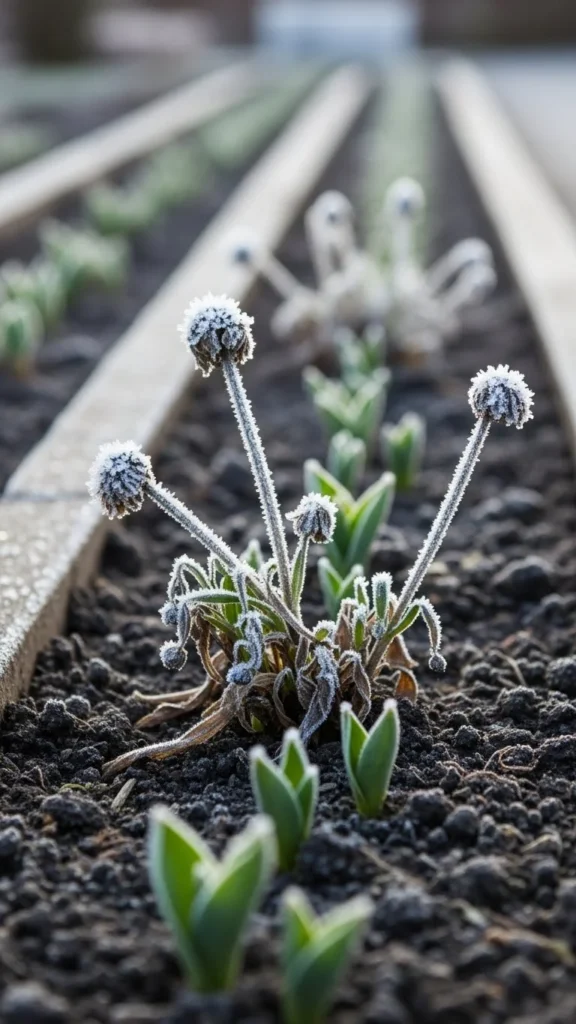
If you dream of spring bouquets, this mix is for you. Choose hardy seeds like sweet peas, snapdragons, and larkspur. These flowers germinate in cool soil and grow tall when warm weather arrives. Sow them along trellises or fences. Add compost and a thin mulch layer. Water lightly, and protect sprouts during extreme cold.
15. Evergreen Border Seed Mix
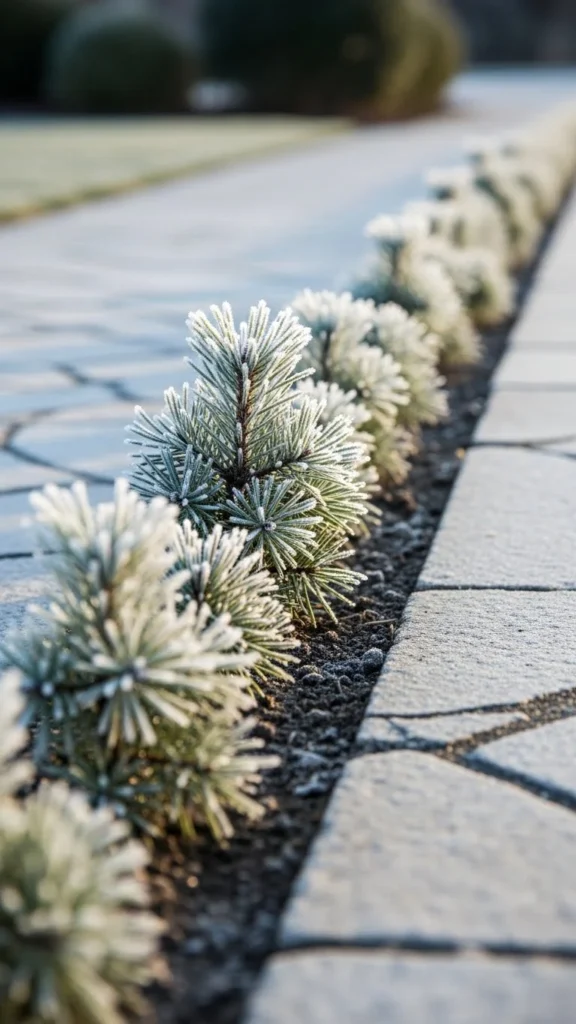
This mix helps you fill bare borders. Choose seeds like dwarf spruce, creeping juniper, and hardy ground-hugging evergreens. Sow them near pathways or driveways. They grow slowly but add structure and calm greenery all year. Add a protective layer of compost and keep soil damp. These plants reward you with steady, dependable growth.
16. Fragrant Winter Seed Mix
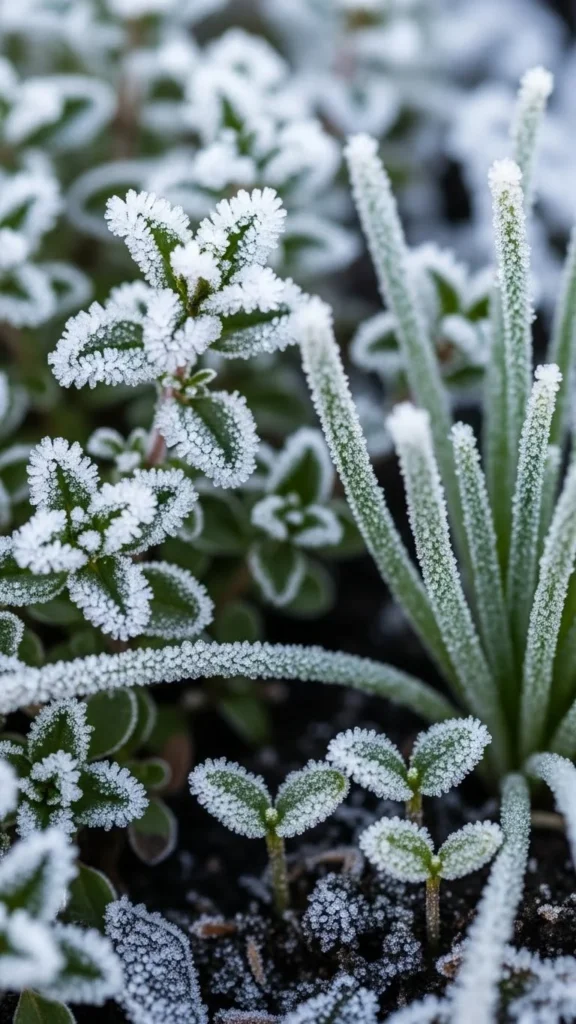
This mix brings gentle scent even in the cold months. Choose lavender, sage, thyme, and winter-friendly mint. Scatter them in beds or pots. Add a thin layer of mulch to protect roots. Keep moisture levels low, as many fragrant herbs like drier soil. These plants awaken early in spring with lovely aroma.
17. Winter Balcony Seed Mix
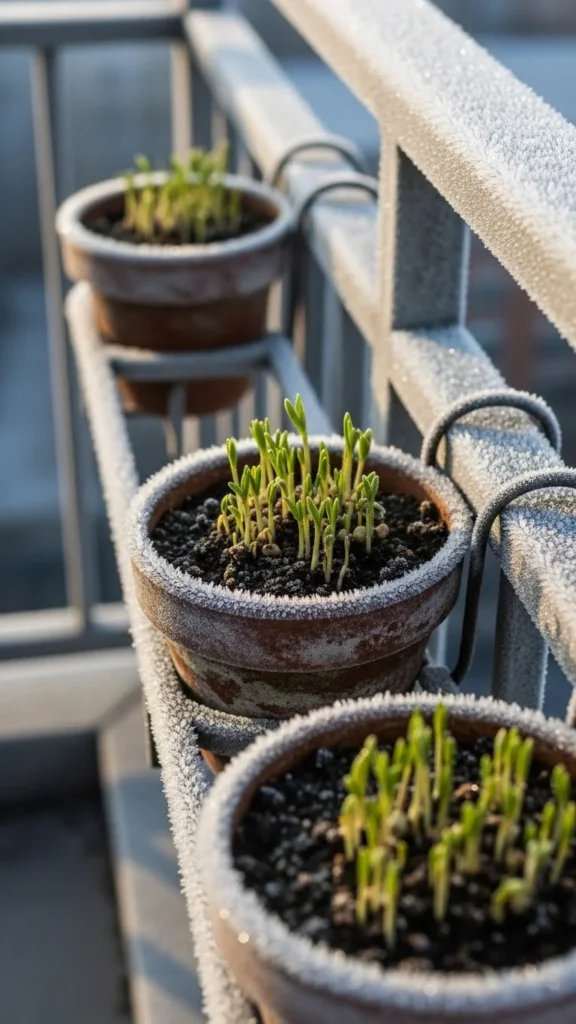
If you garden in small spaces, this mix fits perfectly. Choose dwarf pansies, small grasses, and compact herbs. Use lightweight pots with good drainage. Add compost before sowing. Keep pots near walls for shelter. Water with a spray bottle to avoid washing seeds away. This mix brings life to balconies during long winters.
18. Snow-Tolerant Groundcover Mix
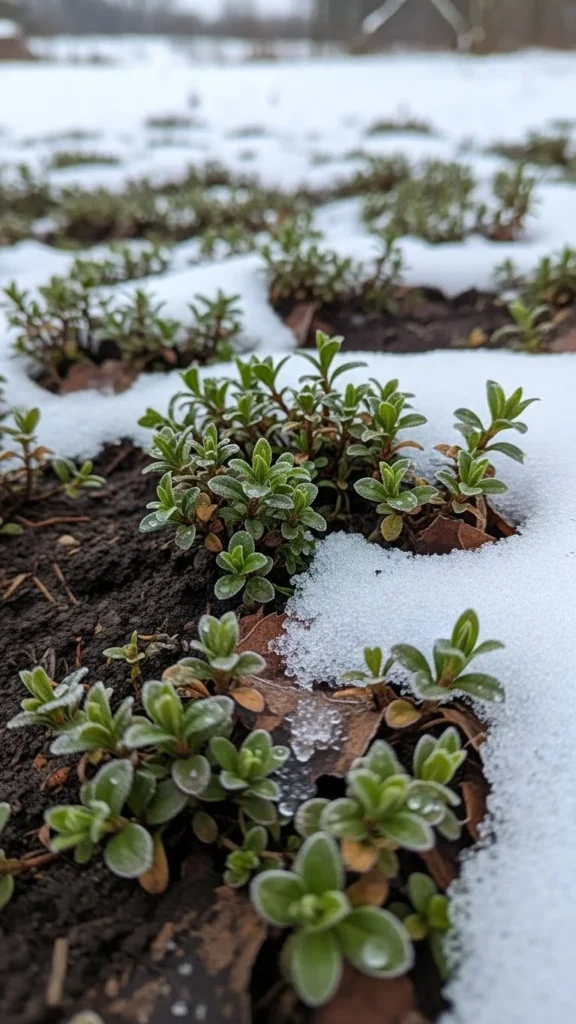
Groundcovers can thrive even when snow comes often. Choose creeping thyme, ajuga, and sedum. These plants hug the ground and protect soil. Sprinkle seeds across open patches. They settle during winter and spread wide in spring. Add small rocks for texture. This mix works well for pathways or under shrubs.
19. Raised Bed Winter Seed Mix

Raised beds warm up slightly faster than ground soil. Choose seeds like Swiss chard, mustard greens, and spinach. Sprinkle evenly across the top layer. Add compost and keep soil moist. Cover with a simple hoop tunnel if temperatures drop sharply. This mix brings steady growth through cold weeks.
20. Hardy Perennial Winter Seed Mix
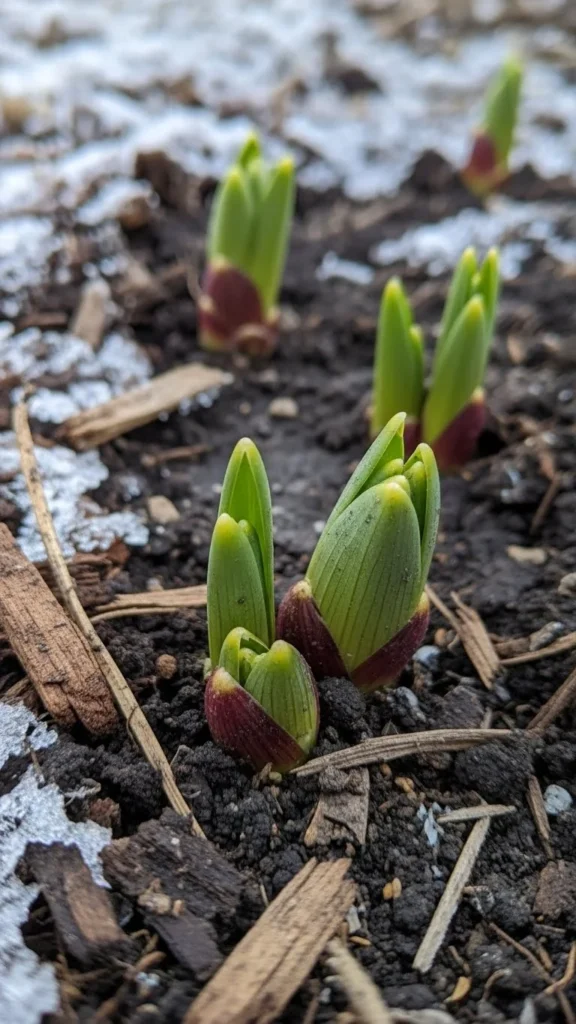
Perennials are great for long-term gardens. Choose hardy varieties like columbine, rudbeckia, and penstemon. Sow them before the coldest weeks arrive. They rest during winter and germinate early in spring. Add light mulch and water occasionally. With time, these plants form thick clusters and return each year.
21. Cool-Season Vegetable Seed Mix

Vegetables still grow in winter with the right varieties. Choose seeds like radish, kale, lettuce, and turnip. Plant them in rows for easy harvesting. Add compost and keep soil lightly moist. Use a row cover if frost becomes extreme. This mix provides greens even when the garden feels quiet.
22. Winter Window Box Seed Mix
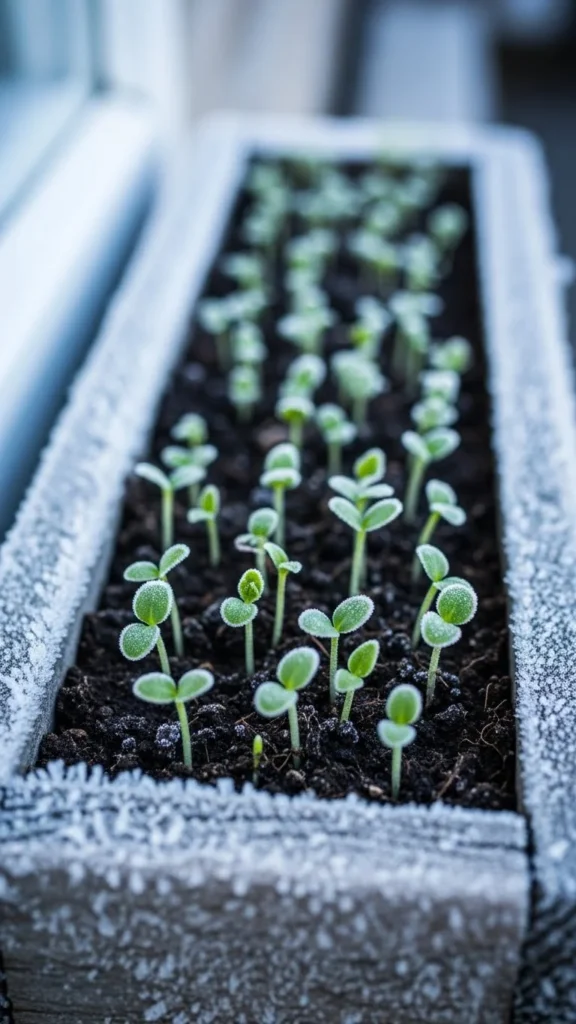
Window boxes add charm to any home in winter. Choose seeds like dwarf pansies, violas, and creeping herbs. Scatter seeds gently. Add compost for support. Keep boxes near the warmest side of your house. Water lightly. This mix grows slowly but adds pleasant color outside your window.
23. Hardy Rock Garden Seed Mix
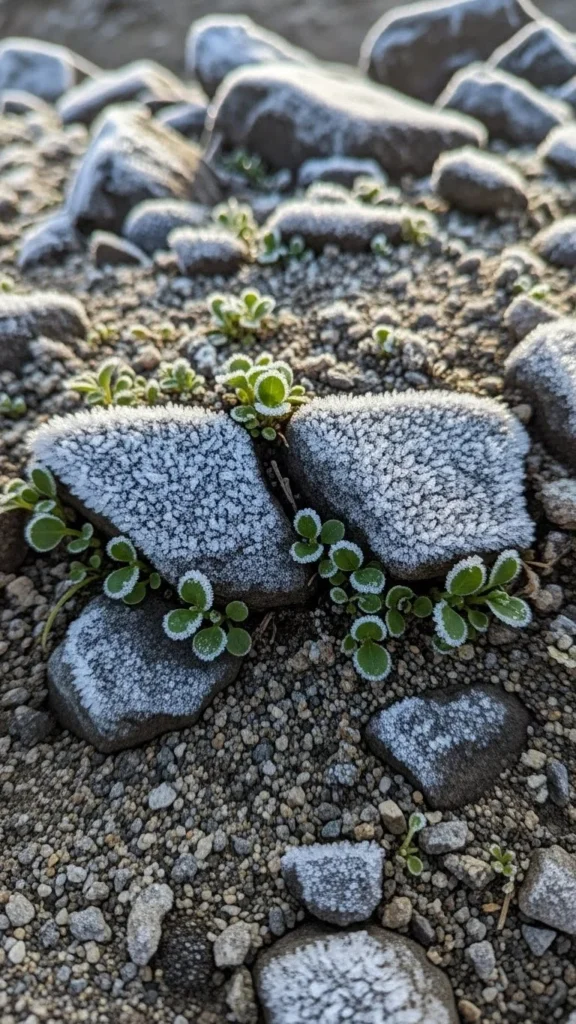
If you enjoy rock gardens, this mix fits perfectly. Choose snow-in-summer, creeping phlox, and blue fescue. These plants love cool weather and rocky soil. Scatter seeds between stones. Add fine gravel for drainage. Water with a spray bottle. These plants settle in winter and grow strong in spring.
24. Simple Beginner-Friendly Winter Mix
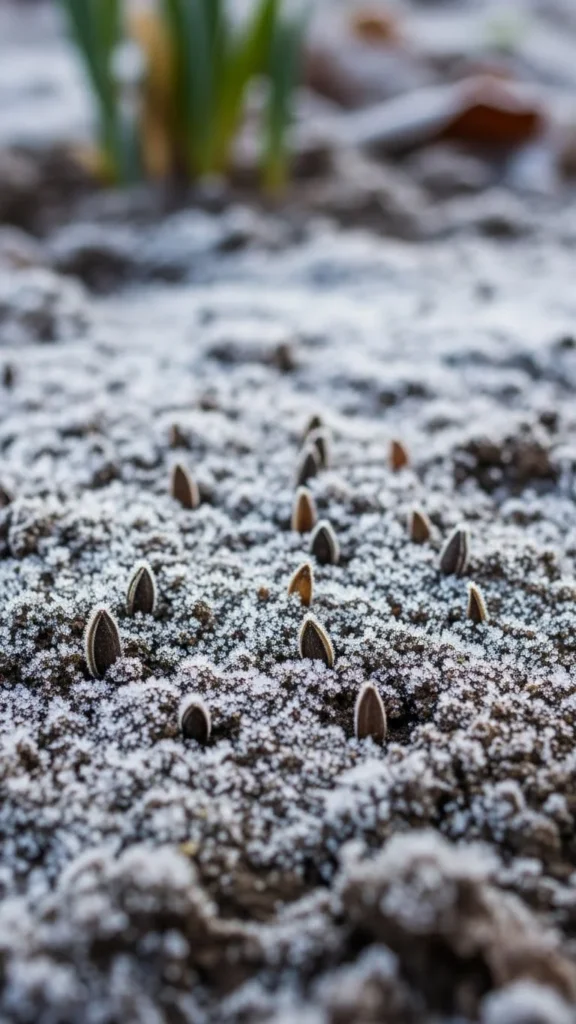
This mix keeps everything easy for new gardeners. Choose spinach, viola, blue flax, and calendula. Scatter seeds across open areas, rake gently, and water once. Add a thin mulch layer for protection. These plants tolerate cold well and return early in spring. It’s a simple way to keep your garden active without effort.
Conclusion
Winter gardening doesn’t have to stop when temperatures drop. With the right seed mixes, you keep your landscape alive, your soil active, and your beds ready for a strong spring. Each mix in this guide offers simple steps, low effort, and dependable growth. Choose the combinations that fit your space and sprinkle them confidently—your winter garden will reward you with quiet color, early sprouts, and smooth growth when warmer days arrive.

Leave a Reply