

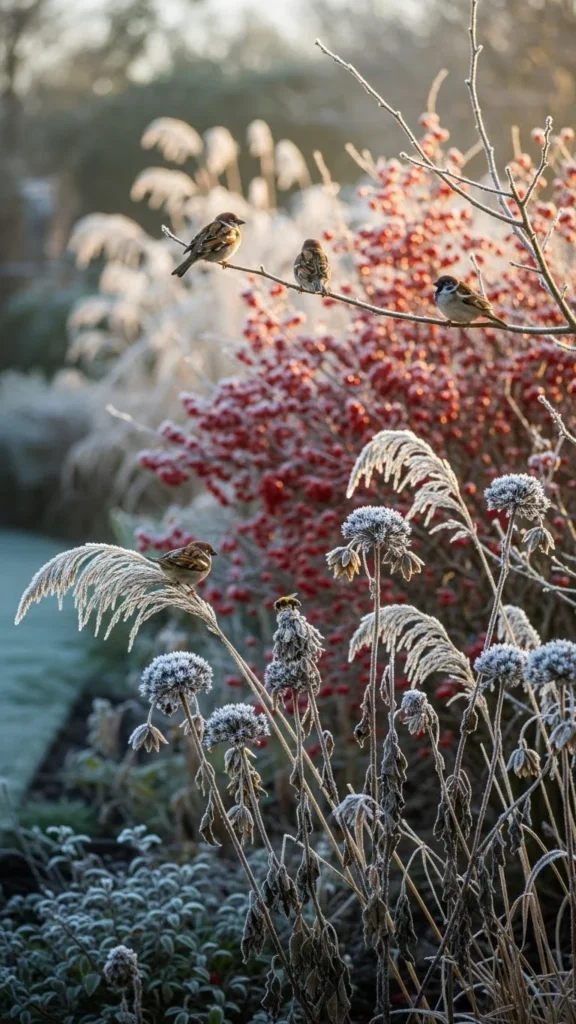
Winter doesn’t stop your yard from being alive. When carefully chosen, certain plants keep offering food, cover, and nectar during cold months. Birds rely on berries and seeds when insects disappear. Bees depend on hardy winter blooms to stay active on mild days. Below you’ll find simple, budget-friendly plants you can add to create a welcoming habitat through the coldest season—all practical, easy to grow, and perfect for small or large spaces.
1. Winterberry Holly
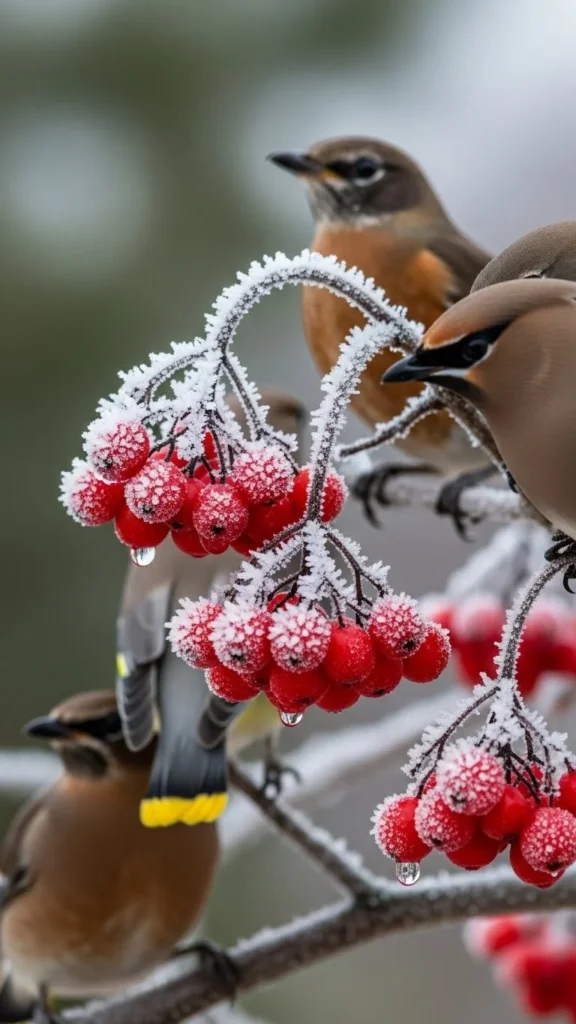
Winterberry is famous for its bright berries that hold through deep cold. Birds love them. The plant grows well in containers or beds, so it works even in small yards. Keep a male and female shrub to guarantee berries.
Place one near a window so you can watch visiting birds enjoy a steady winter snack. Add mulch around the base to help the soil stay steady during temperature swings.
If you’re on a tight budget, buy smaller nursery pots. They fill out within a couple of years and handle pruning well. You can also clip a few branches for indoor decor without reducing food for wildlife. Just take from the back of the shrub.
Winterberry also pairs nicely with evergreens, so tuck it beside a small pine for color contrast.
With bright berries and simple care, it becomes a dependable winter food source for many species.
2. Red Twig Dogwood
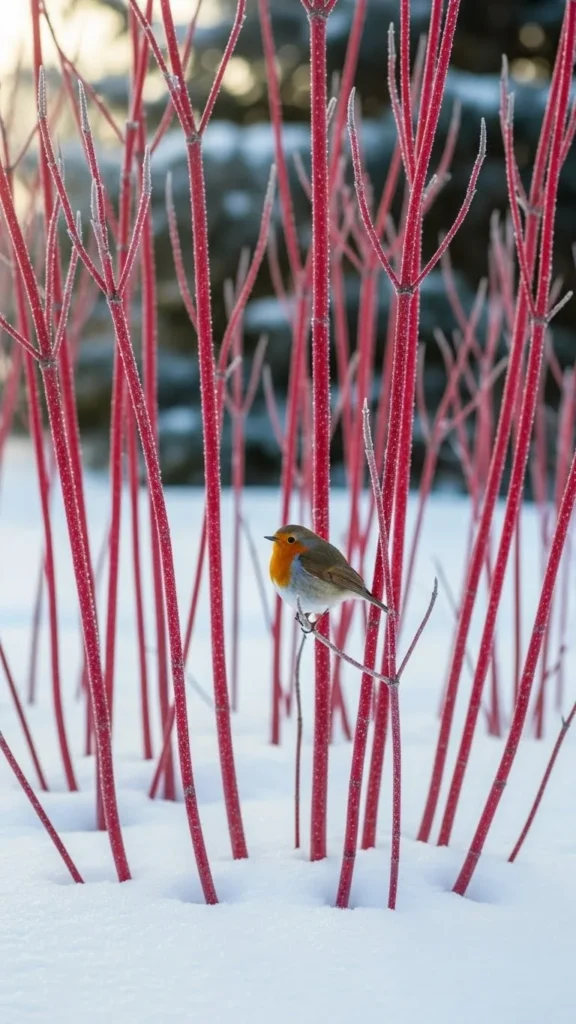
Red twig dogwood stands out in winter when its stems turn deep red. Birds use the dense shape for shelter during storms. Some species also snack on the berries before winter arrives, and leftover stems give bees hiding spots.
Plant it along fences or corners where color helps break up dull winter landscapes. It grows quickly, so you don’t need a large budget. Even bargain-sized plants catch up fast.
To keep stems colorful, prune older ones in late winter once every year or two. New growth gives the best color. For DIY gardeners, cut a few stems and root them in water. They usually sprout roots in a few weeks.
Birds appreciate the cover, and you’ll enjoy the vibrant contrast against snow or frost. This plant quietly works all season, offering a safe space for wildlife when the yard feels still.
3. Coneflower Seed Heads
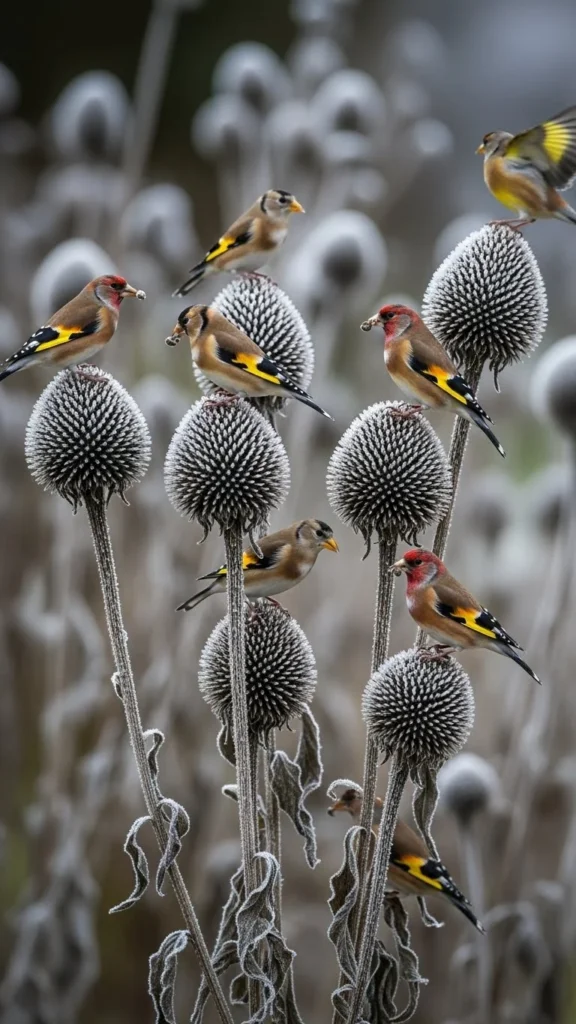
Most people cut coneflowers back too early. Leaving seed heads standing makes a real difference for wildlife. Finches flock to them during winter. Bees also use the dried stems as overwintering spots.
If you already grow coneflowers, just skip fall cleanup. It costs nothing and helps more birds visit your yard. The dried silhouettes also look beautiful against winter skies.
For small spaces, plant a compact variety in pots and leave the seed heads intact. Add a light layer of mulch below to protect dormant roots.
You can also scatter a few seeds around the area. Coneflowers self-seed easily, so that’s an affordable way to add more plants.
Letting these plants stand through winter is one of the easiest ways to support wildlife without any extra effort or cost.
4. Crabapple Trees
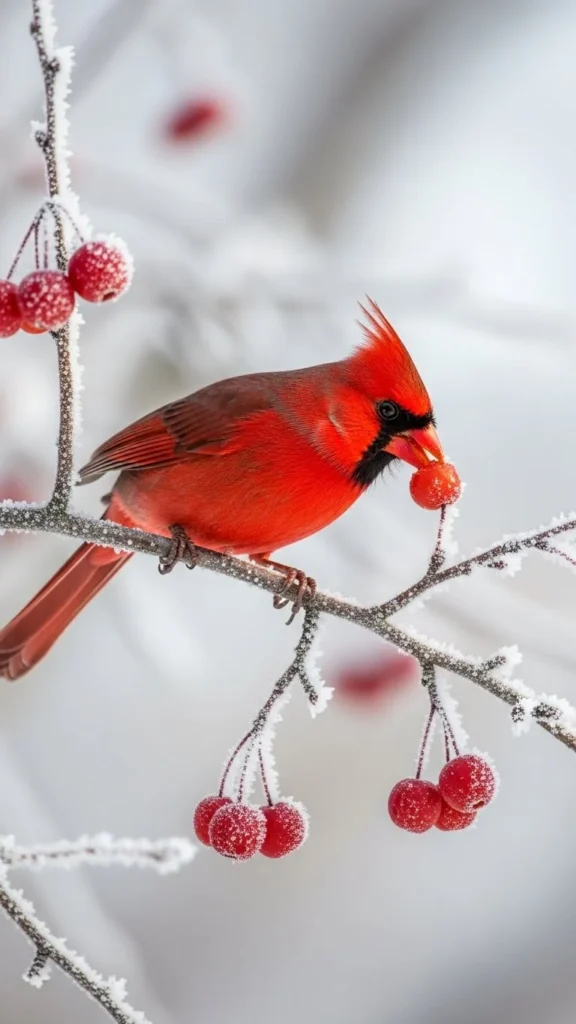
Crabapples keep their tiny fruits well into winter, giving birds a long-lasting food source. Bees also use their blossoms earlier in spring, so the tree supports wildlife across seasons.
Choose a small ornamental variety if you have a compact yard. Many stay under 12 feet and produce plenty of fruit. Plant in a sunny spot and water regularly during the first year. After that, they’re easy.
For budget planting, look for bare-root trees in early spring. They cost far less than potted ones and catch up quickly. Add compost into the planting hole for better root growth.
Leave fallen crabapples under the tree. Ground-feeding birds appreciate them, and it saves cleanup time. With very little care, a single tree can feed dozens of species throughout winter.
5. Winter Heather
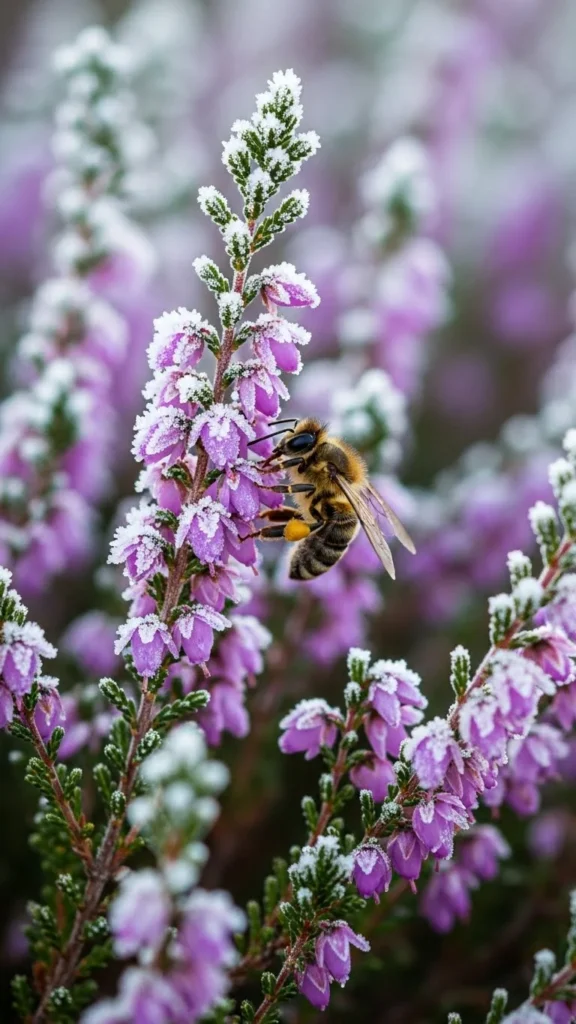
Winter heather blooms earlier than most plants. Its flowers appear when bees are desperate for nectar on mild winter days. The evergreen foliage also offers texture in the cold landscape.
Plant it along pathways, in small clusters, or in pots. It likes well-drained soil, so add gravel if your soil stays wet. Heather spreads slowly, making it ideal for budget gardeners who want long-term growth.
Clip spent blooms lightly in early spring to help the plant stay tidy. Bees and other pollinators will return each year once they learn your garden has winter blooms.
Heather’s rich color brings small moments of warmth when most plants are quiet.
6. Viburnum
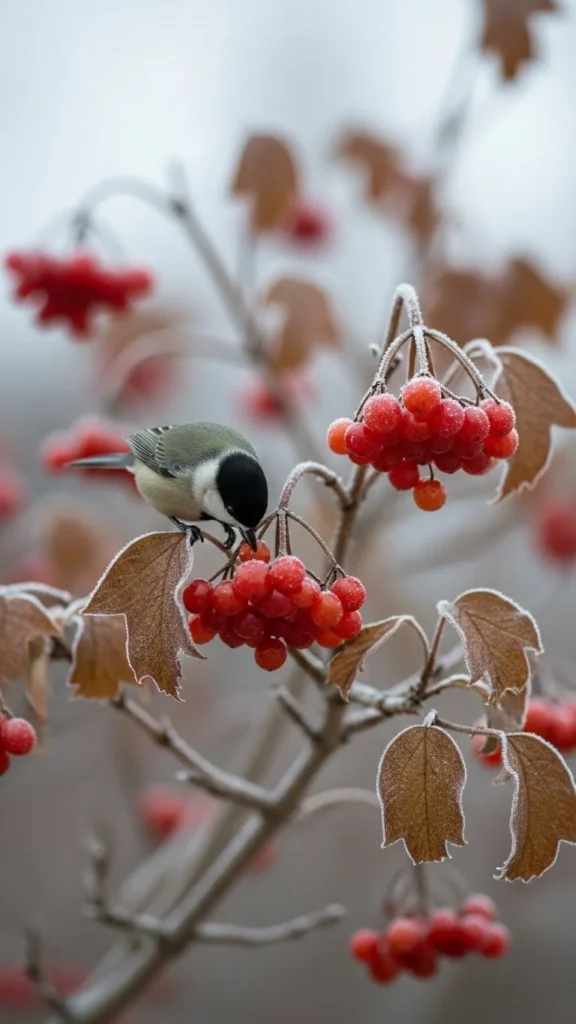
Viburnum shrubs offer berries, shelter, and early blooms depending on the variety. Many hold fruit into winter, giving birds dependable snacks. Some also bloom late winter, supporting bees before spring arrives.
Choose one variety with winter berries and another with late-winter flowers if you want a multi-purpose wildlife corner. Plant them near each other for better impact.
For affordability, mix young shrubs with larger ones so your space fills without overspending. Mulch well to help soil hold moisture and protect roots.
Birds enjoy viburnum’s dense branching, and you’ll love the steady activity around the shrub. Even in deep cold, you’ll see something happening near it.
7. Ornamental Grasses
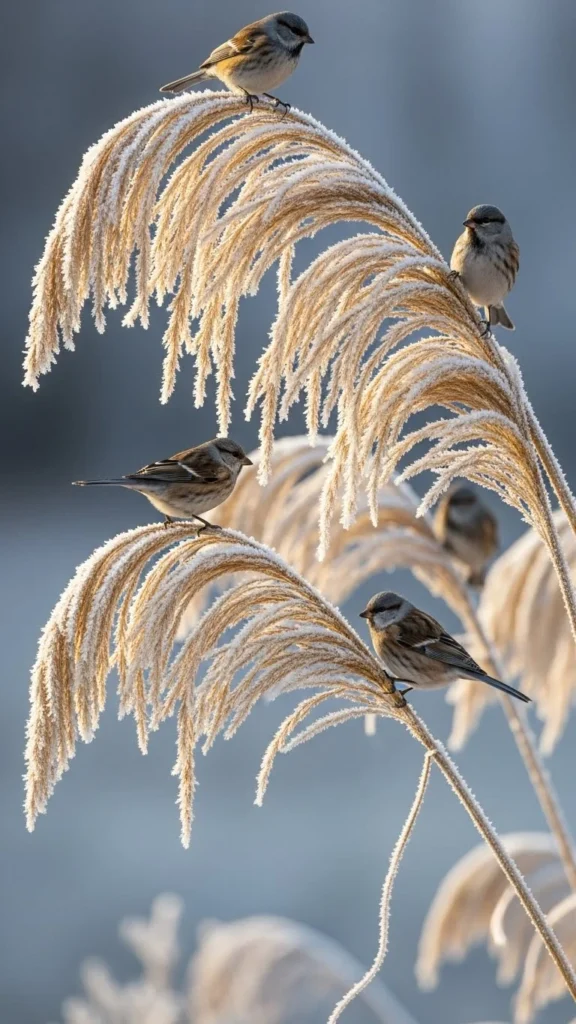
Leaving ornamental grasses uncut through winter gives birds both food and shelter. Many species cling to the seed heads. The hollow stems can also offer hiding spots for insects that bees later feed on.
Plant grasses in borders or as accents around pathways. They’re low-cost and grow quickly. Choose varieties that stay upright in winter for the best structure.
If you want to expand your planting without spending more, divide older clumps in spring. One plant becomes three or four. That’s one of the easiest ways to build a wildlife-friendly garden.
Grasses also move beautifully in winter wind, adding life during still months. Their natural shape makes your yard feel fuller and more inviting.
8. Serviceberry
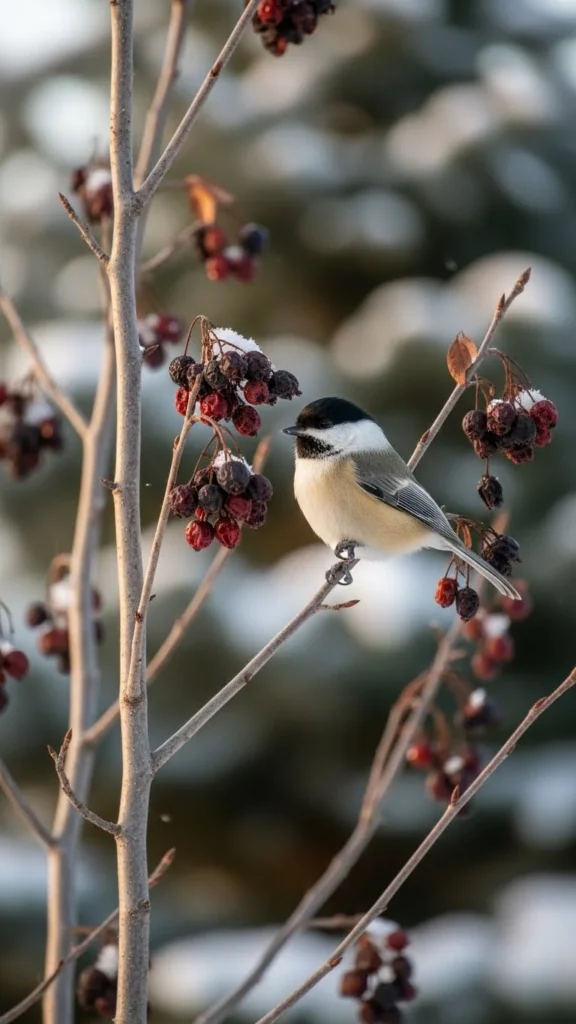
Serviceberries are beloved by birds for their fruit. While most berries appear earlier in the year, leftover fruit can persist into winter. The branching also offers safe roosts during snowy days.
Plant one as a feature tree or add several as a natural hedge. They grow well in many climates. For a lower-cost option, choose bare-root plants in spring.
Leave fallen leaves under the plant to enrich the soil. This creates insect habitat, which later feeds birds when winter shifts to spring.
Serviceberries connect your yard to a natural cycle of wildlife activity that lasts all year.
9. Rose Hips
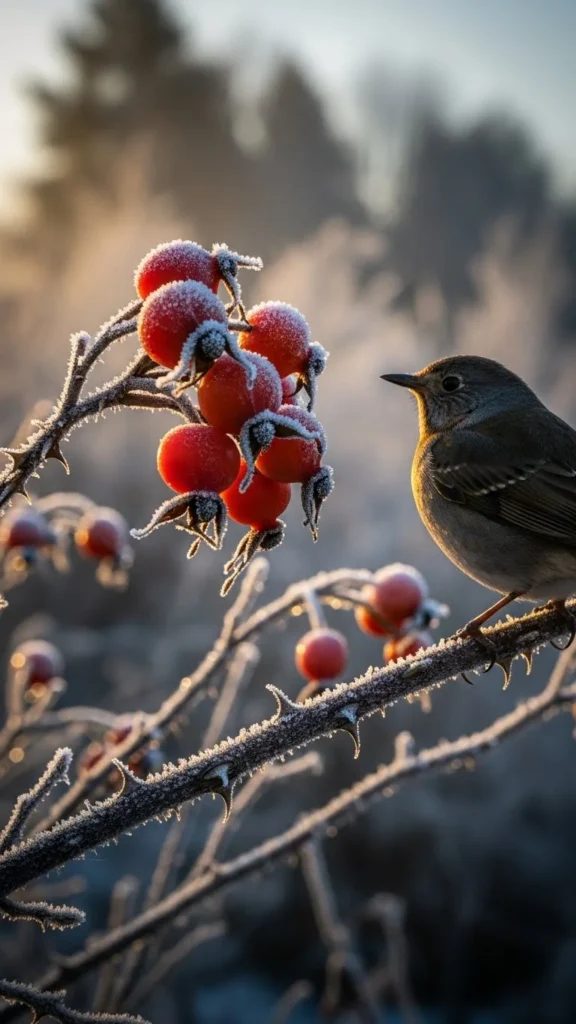
When roses finish blooming, hips form—and many stay on the plant through winter. Birds snack on them when food is scarce. Bees also use the stems for overwintering in some cases.
Choose varieties known for larger hips, such as rugosa roses. They’re tough, affordable, and handle cold well. Plant them in full sun and prune lightly. Avoid removing hips in fall so they remain available during winter.
If you grow roses in pots, keep the hips on through the cold season. Add straw or mulch around the base for insulation.
Rose hips bring color to winter gardens and keep wildlife returning.
10. Juniper
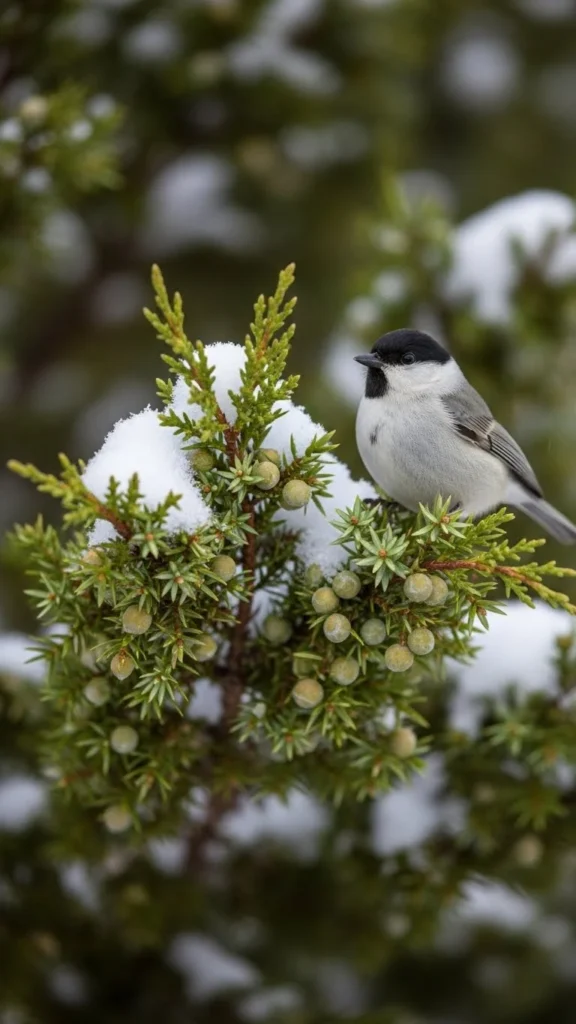
Junipers provide berries, cover, and evergreen structure all winter. Birds use them for hiding and nesting during cold spells. The berries also serve as important winter food.
Choose a compact variety if you have limited room. Junipers do well in rocky or poor soil, so they’re useful for tough spots where other plants struggle.
For a budget-friendly approach, buy smaller shrubs and let them mature slowly. They grow reliably and don’t need much care.
Juniper’s dense structure creates a winter refuge, and its blue berries stand out against snow and frost.
11. Sedum Seed Heads
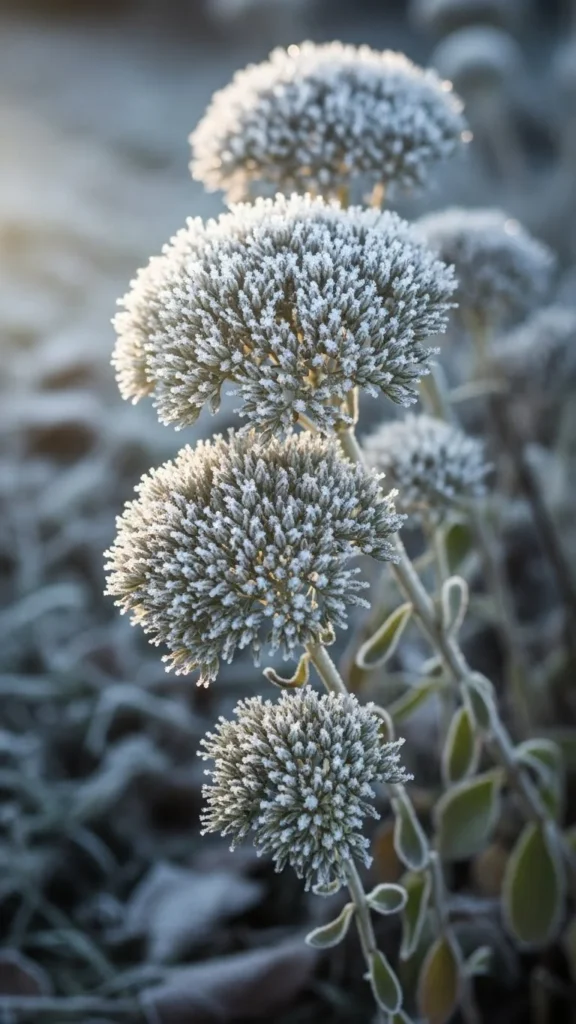
Sedum seed heads stay upright through most of winter. Birds peck at the dried flower clusters, and bees use the stems for shelter. The sculptural shape also adds interest to resting garden beds.
Keep the dried heads in place until spring. It costs nothing and supports wildlife naturally. Plant sedum in pots, rock gardens, or sunny borders.
You can also break off a few stems in spring to create new plants. Sedum roots easily, making it perfect for gardeners on a budget.
Their winter form brings quiet beauty while helping wildlife during cold months.
12. Firethorn (Pyracantha)
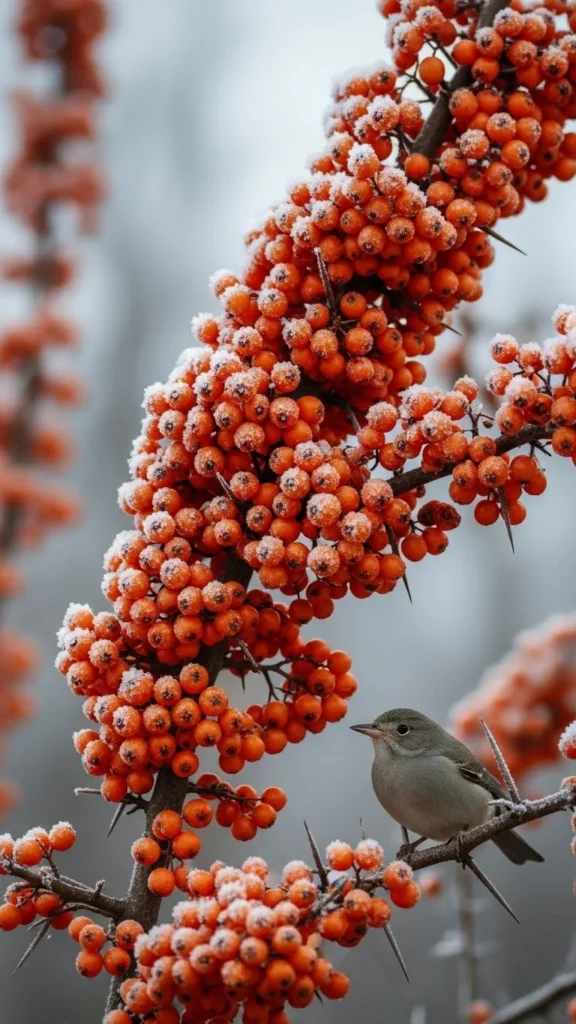
Firethorn shrubs produce masses of orange berries that last through most of winter. Birds flock to them when other foods disappear. The thorny branches also offer safe hiding spots.
Plant firethorn against a fence or wall for support. It grows quickly and becomes a strong winter food source. Buy small plants if you want to save money—they fill out fast.
Trim lightly after berries drop. Avoid cutting too much or you’ll reduce next year’s crop.
Firethorn’s bright coloring brings warmth to winter landscapes while feeding hungry wildlife.
13. Hawthorn
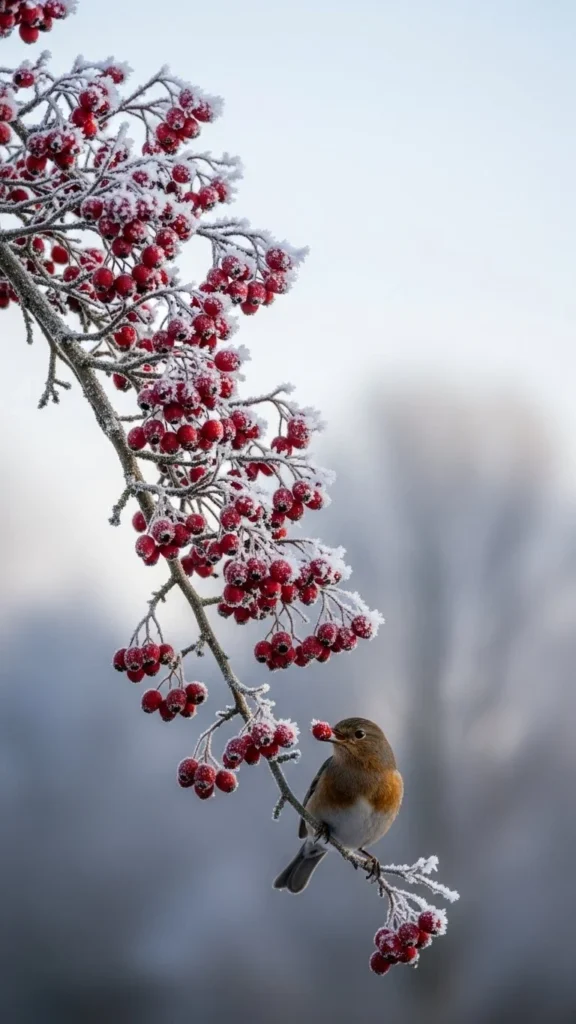
Hawthorn trees hold their berries well into winter. Birds eat them during harsh weather. The branching also gives shelter from wind and snow.
Choose a smaller cultivar if your yard is tight on space. Hawthorns tolerate urban conditions and require little care once established.
For affordable planting, choose bare-root trees. Add mulch around the base to keep soil steady during freeze-thaw cycles.
Hawthorns also bloom in spring, giving bees early food. One tree offers support from season to season.
14. Hellebores
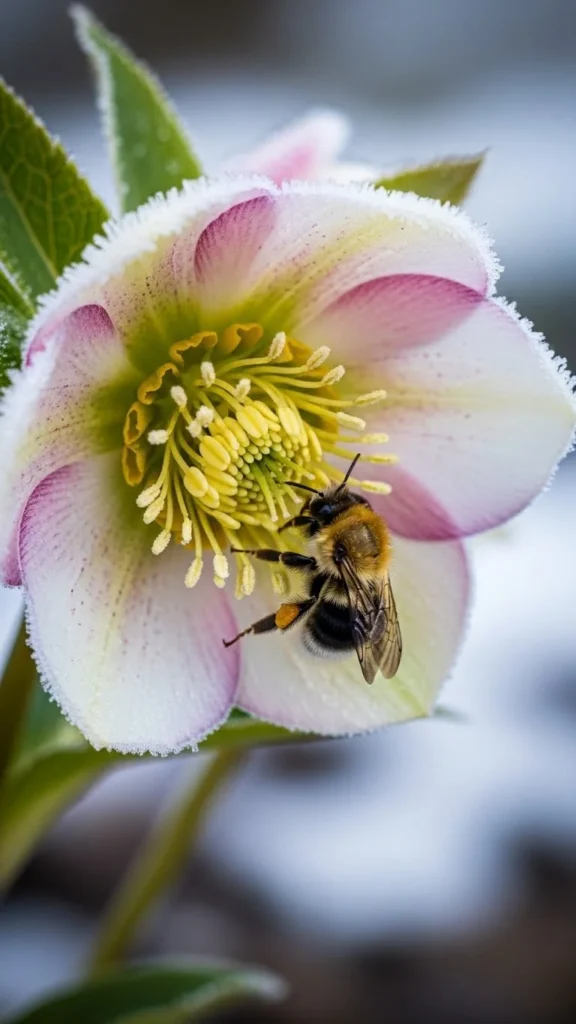
Hellebores open their flowers in late winter when almost nothing else blooms. Bees visit them on mild days, making them one of the best cold-season nectar sources.
Plant them under trees or in partial shade. They spread slowly, so each year you gain more blooms without spending more money.
Water sparingly and add mulch for moisture retention. Hellebores look beautiful in clusters, and you can divide older plants to create new patches.
Their early flowers signal the slow return of activity in your yard.
15. Black-Eyed Susan Seed Heads
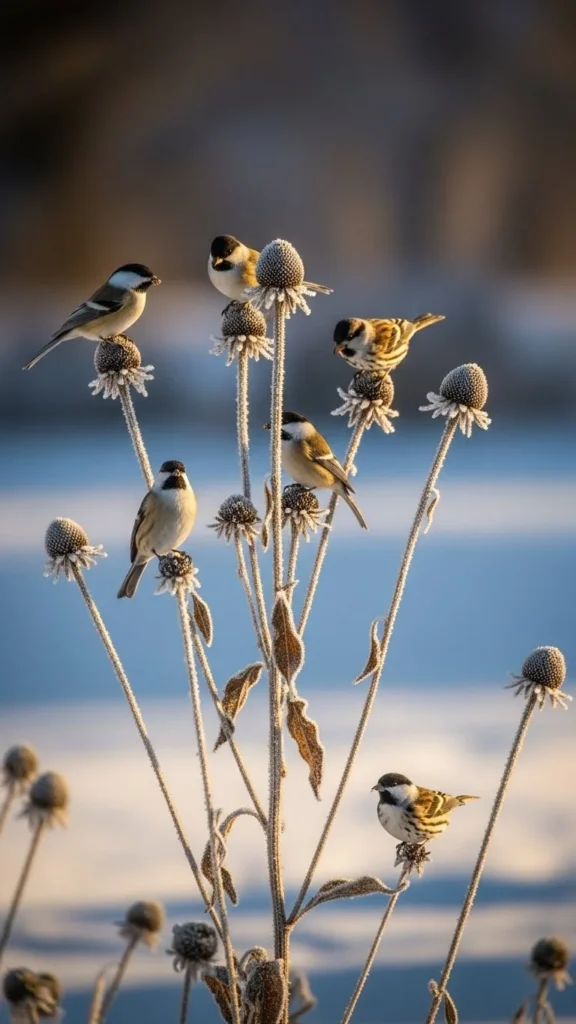
Leaving black-eyed susans uncut supports birds that rely on seeds during winter. Goldfinches especially enjoy them. Bees also shelter in hollow stems.
If you already grow them, skip cutting until spring. That one choice fills your yard with movement and helps wildlife without costing anything.
Plant more in fall using affordable seed packets. They’re tough and return each year.
Their dried form adds gentle texture to winter beds while creating natural feeding stations.
16. Mahonia
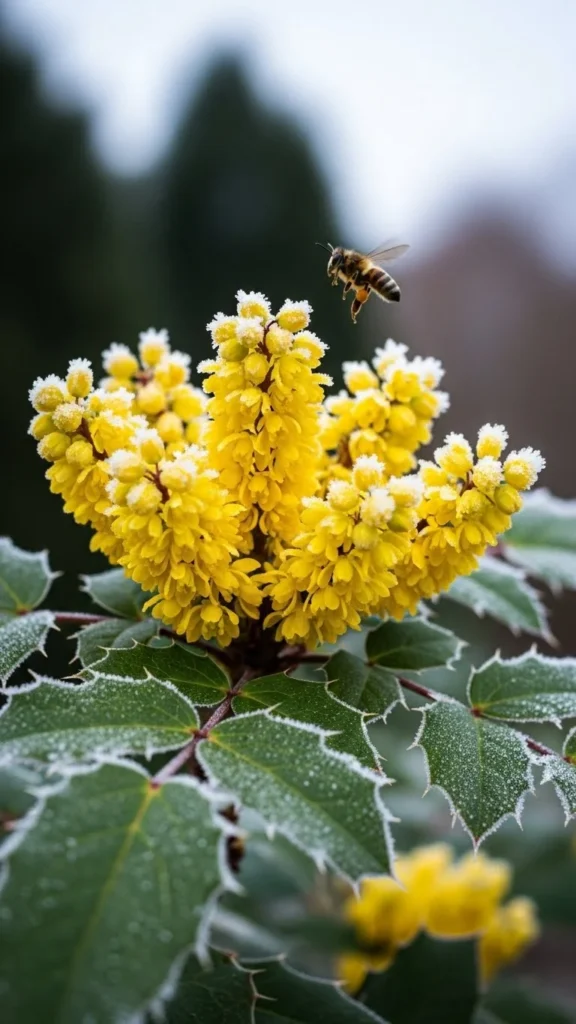
Mahonia blooms in winter with bright yellow flowers. Bees love them during warm spells. The berries appear later and attract birds in early spring.
Plant mahonia in partial shade. It handles cold well and keeps its shape year-round. If you want more plants without extra cost, collect the berries and sow them in pots.
Add mulch around the root zone and prune lightly after flowering.
Mahonia’s winter blooms add color when the rest of the yard feels still.
17. Elderberry
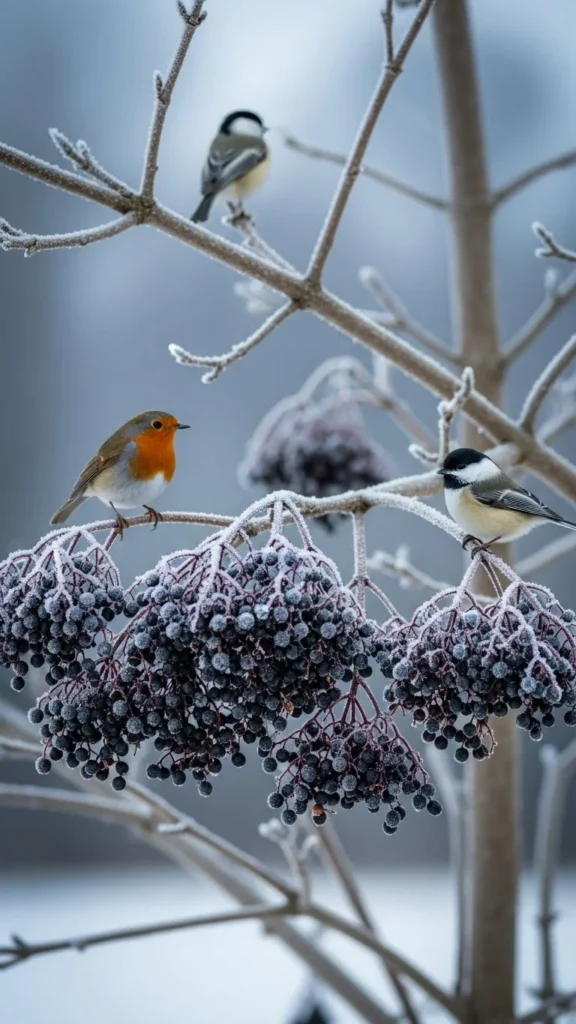
Elderberries are a wildlife favorite. While most berries ripen earlier, some linger into early winter. The dense branching also gives birds a protective structure.
Plant them along property edges or in naturalistic borders. They grow fast, so small, inexpensive plants work well.
Leave spent growth until spring so insects can overwinter. This helps birds feed later as temperatures rise.
Elderberries build a habitat that supports activity from early winter through spring.
18. Bee Balm Stems
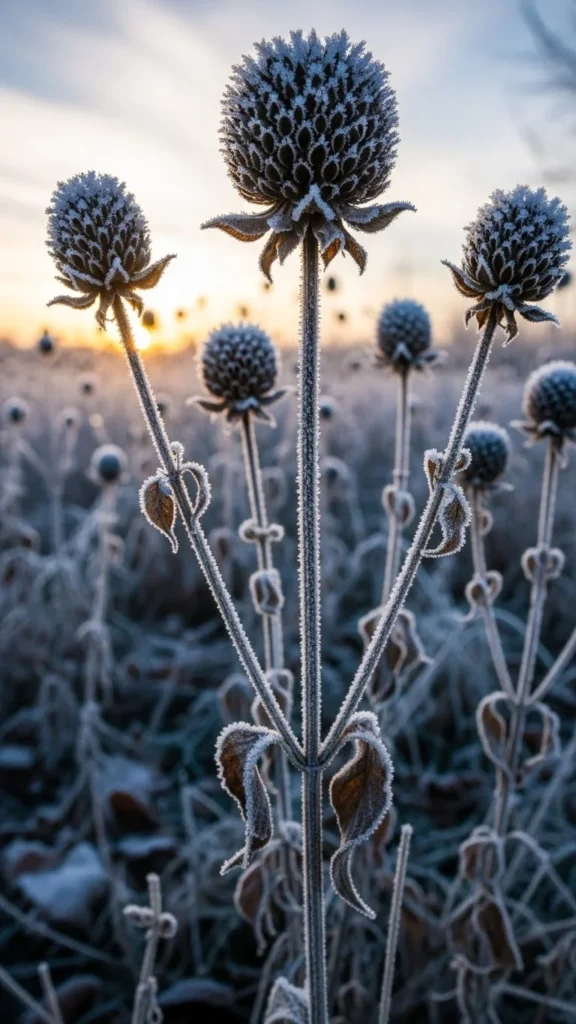
Bee balm is loved by summer bees, but the stems also support winter wildlife. Hollow stems give insects a place to overwinter. Birds eat the dried seeds.
Leave the stems standing until spring. If you want more plants, scatter a few seeds or dig up runners from older clumps.
Bee balm grows easily and fills out quickly, which helps budget gardeners create large wildlife patches affordably.
In winter, the structure adds charm while quietly supporting your yard’s ecosystem.
19. Mountain Ash
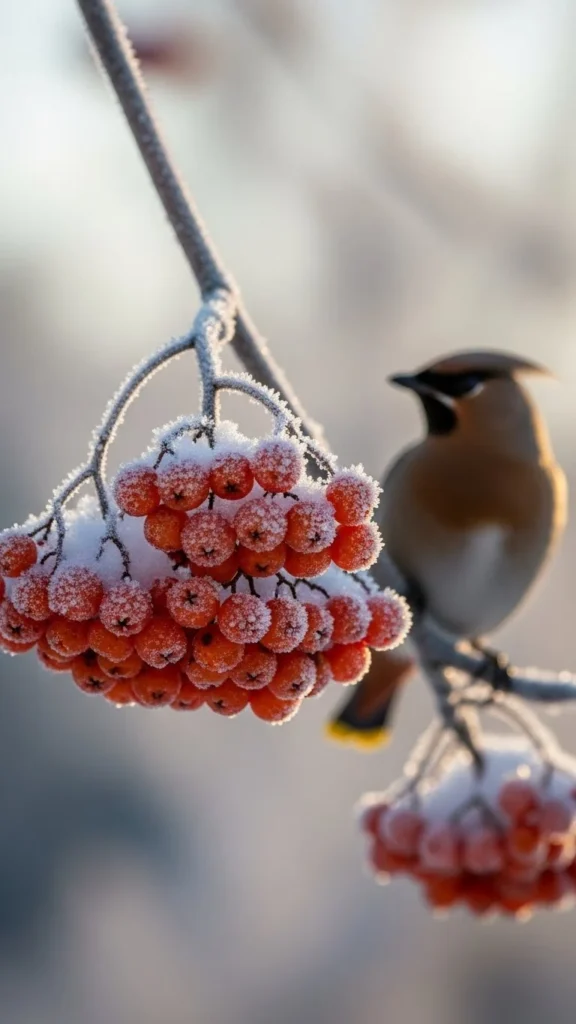
Mountain ash trees bear heavy clusters of berries that hold into winter. Many bird species depend on them when snow covers the ground.
Choose a variety sized for your space. Some stay small enough for urban yards. Plant in full sun and water during the first season.
Bare-root saplings are an affordable way to start. Add mulch to steady the soil through winter.
Mountain ash brings vivid color and dependable wildlife activity all winter long.
20. Holly (Evergreen Varieties)
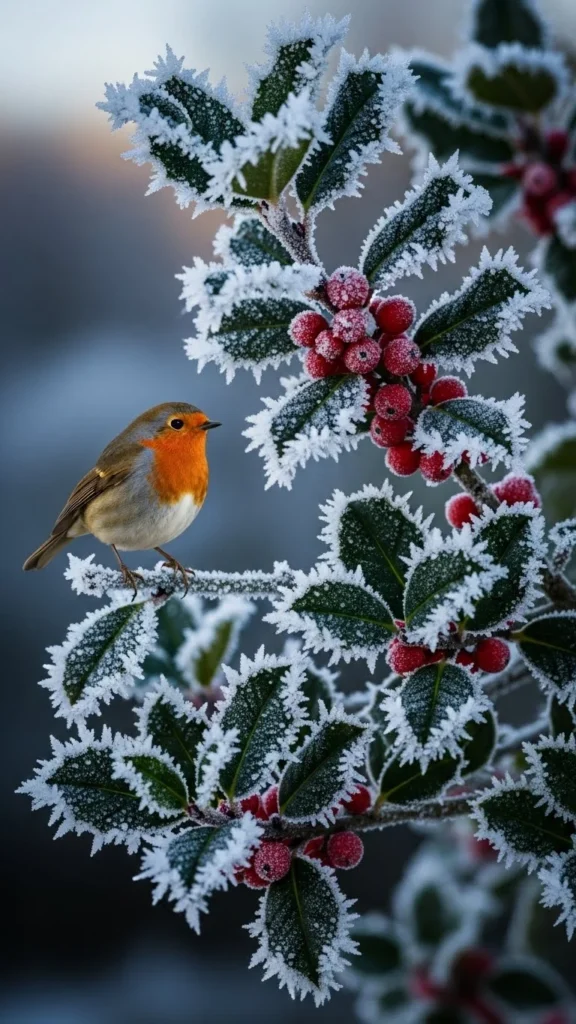
Evergreen hollies offer berries and dense cover during cold months. Birds tuck themselves inside branches to escape harsh winds.
Choose a pair of male and female plants if you want berries. Plant them as hedges or privacy screens. They stay green year-round and handle pruning well.
Young shrubs are affordable and grow steadily. Add mulch and water during dry winter periods.
Hollies act as natural shelters for wildlife when everything else feels exposed.
21. Witch Hazel
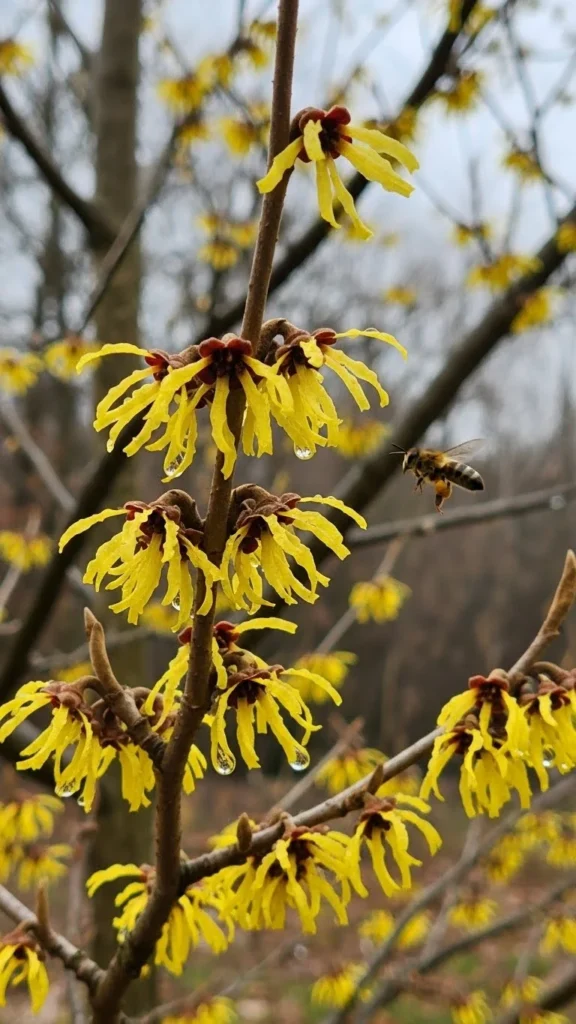
Witch hazel blooms in mid to late winter with fragrant yellow flowers. Bees visit on warm days, making it an excellent nectar source before spring arrives.
Plant witch hazel in partial shade. It prefers moist soil, so add mulch to keep conditions steady. Small nursery plants are budget-friendly and grow well with time.
The blooms add color to quiet winter landscapes and mark the beginning of returning activity in your garden.
Conclusion
Winter gardens don’t have to feel empty. With the right plants, your yard becomes a steady refuge for hungry birds and active bees. Each of these choices offers something helpful—berries, seeds, shelter, or winter blooms. Start with one or two plants and expand each year. Even small additions create a habitat that stays alive, helpful, and full of movement through the coldest months. Let your garden support wildlife when they need it most.

Leave a Reply