

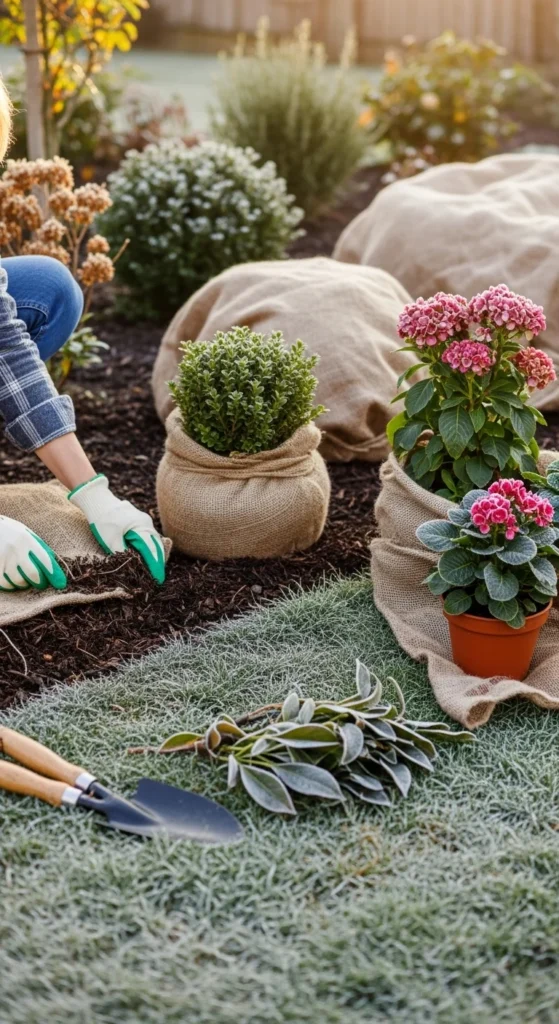
As temperatures drop, many gardeners worry about their plants surviving the cold. Winter can be harsh, but with the right preparation, your garden can thrive even under snow and frost. These winterizing tricks will help protect perennials, shrubs, potted plants, and soil health—all while keeping costs low. Whether you garden in raised beds or containers, these steps make cold-weather care simple and effective.
1. Add a Thick Layer of Mulch
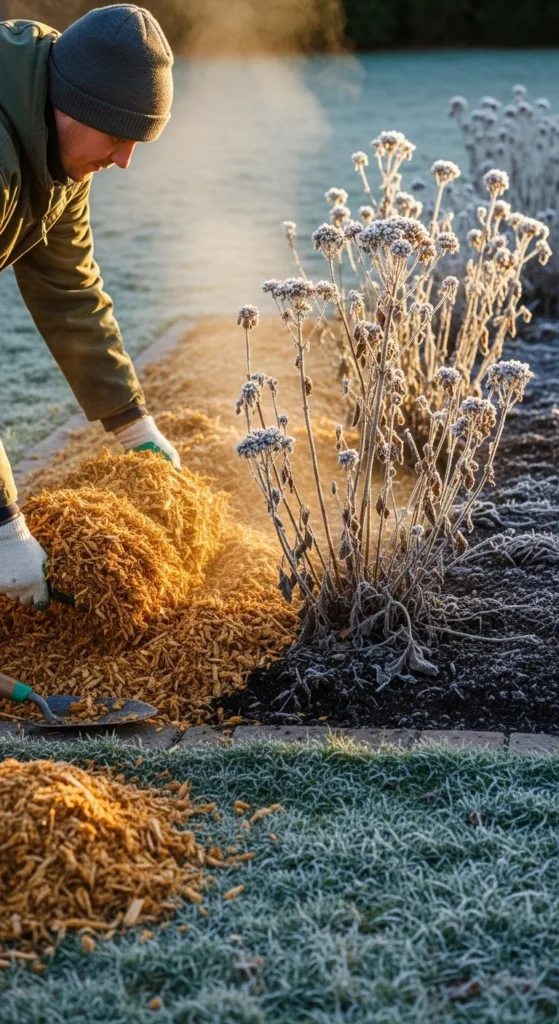
Mulch acts like a cozy blanket for your soil. Spread 2–4 inches of organic mulch—such as shredded leaves, straw, or bark—around your plants to help regulate soil temperature and trap moisture. It prevents frost heaving, which can push roots out of the ground. If you’re short on materials, use fallen leaves from your yard instead of buying new mulch. This simple trick helps insulate roots and keeps weeds down until spring.
2. Wrap Delicate Shrubs in Burlap
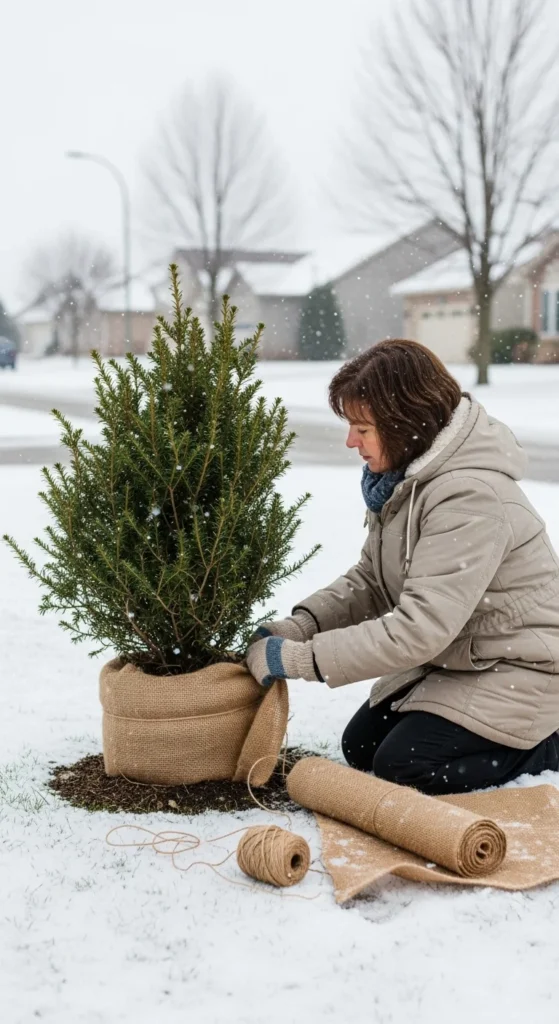
Burlap helps protect shrubs from freezing winds and sunscald. Wrap sensitive plants like boxwood or hydrangeas loosely to allow air circulation. You can reuse the same burlap year after year—just store it dry. For added warmth, add a few stakes around the shrub before wrapping to create an air pocket that buffers against extreme cold.
3. Move Potted Plants Indoors
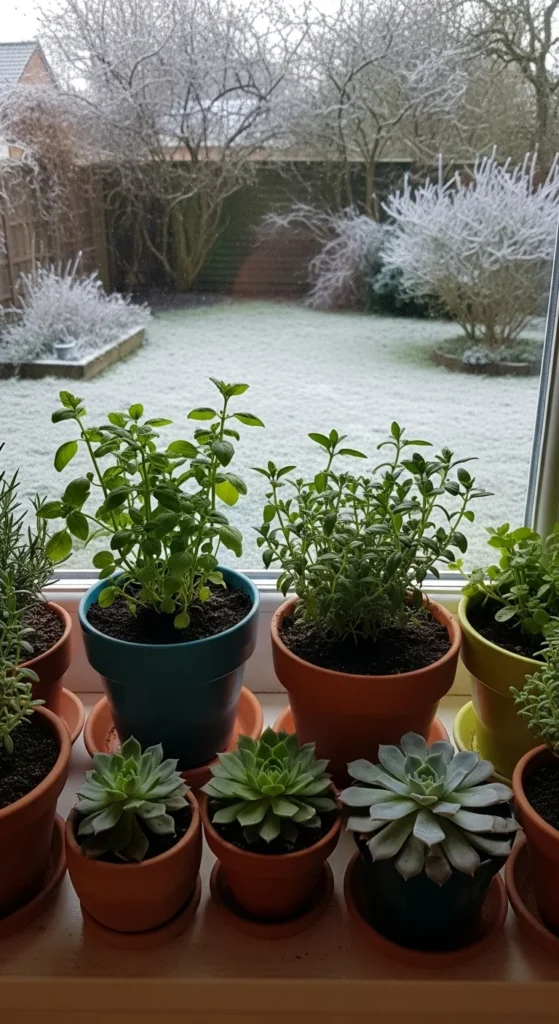
Plants in containers freeze faster than those in the ground. Move them inside before the first frost. If space is limited, group pots near your home’s south-facing wall, where it stays warmer. Use old blankets or bubble wrap to insulate pots. Even an unheated garage or shed can work as long as temperatures stay above freezing.
4. Water Before a Hard Freeze
Dry soil freezes faster and can damage roots. Give your plants a deep watering a day or two before a freeze hits. Moist soil holds heat better and reduces frost penetration. Avoid watering right before the freeze—let it soak in so it doesn’t create ice on the surface.
5. Use Frost Cloths for Extra Protection
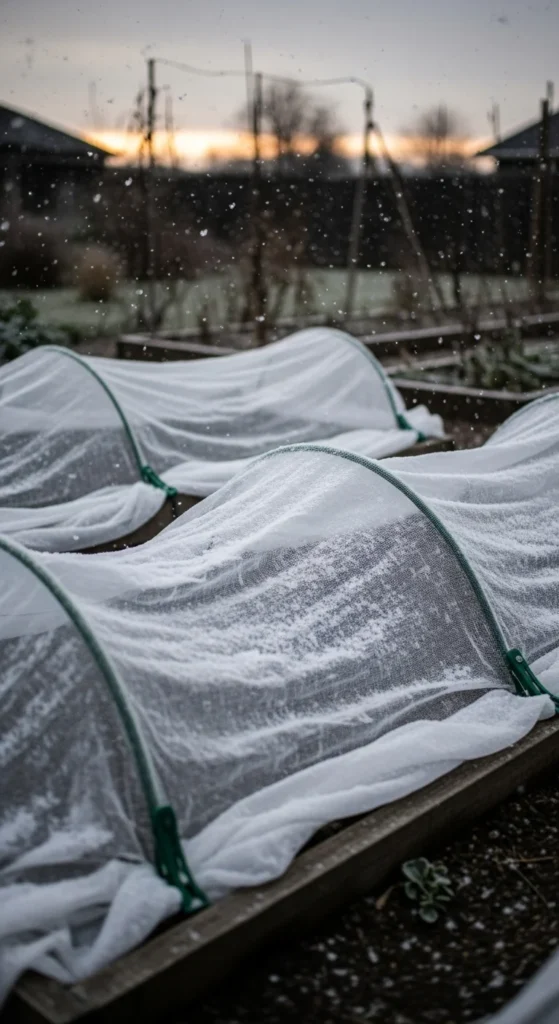
Frost cloths are lightweight, reusable covers that shield plants from freezing air. They allow light and moisture through but block frost. Use them on veggies, herbs, or tender annuals you want to keep longer. Old bed sheets or lightweight curtains can work too—just make sure they don’t touch the foliage directly.
6. Prune Strategically

Prune only damaged or diseased branches before winter. Cutting too much encourages new growth that won’t survive the cold. Save major pruning for spring. However, removing dead material now helps prevent pests from overwintering and makes your garden tidier.
7. Protect Roots with Compost
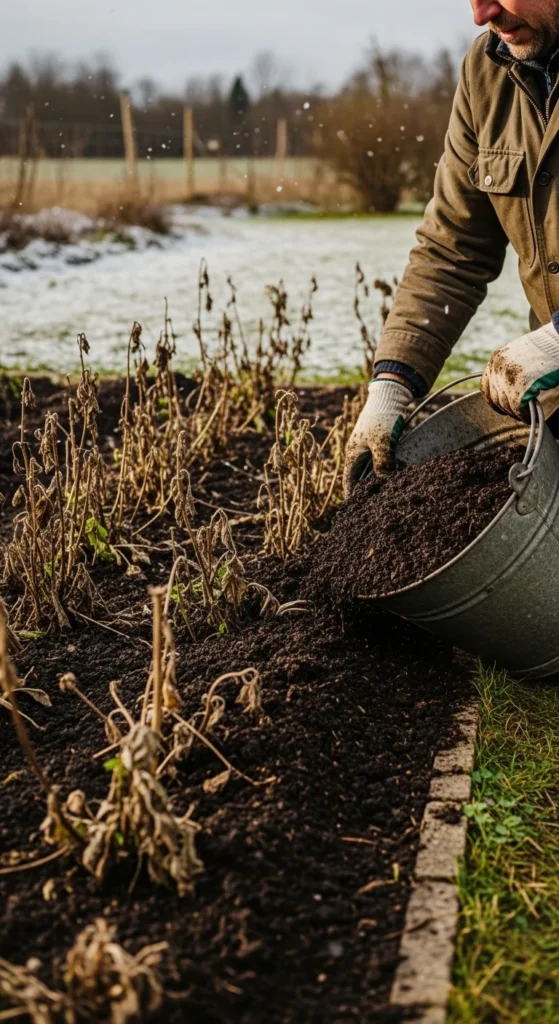
A layer of compost insulates roots and feeds the soil through winter. It adds nutrients that break down slowly, preparing your garden for vigorous spring growth. Use homemade compost to save money—mix in kitchen scraps, dry leaves, and coffee grounds for a nutrient-rich blend.
8. Create Windbreaks
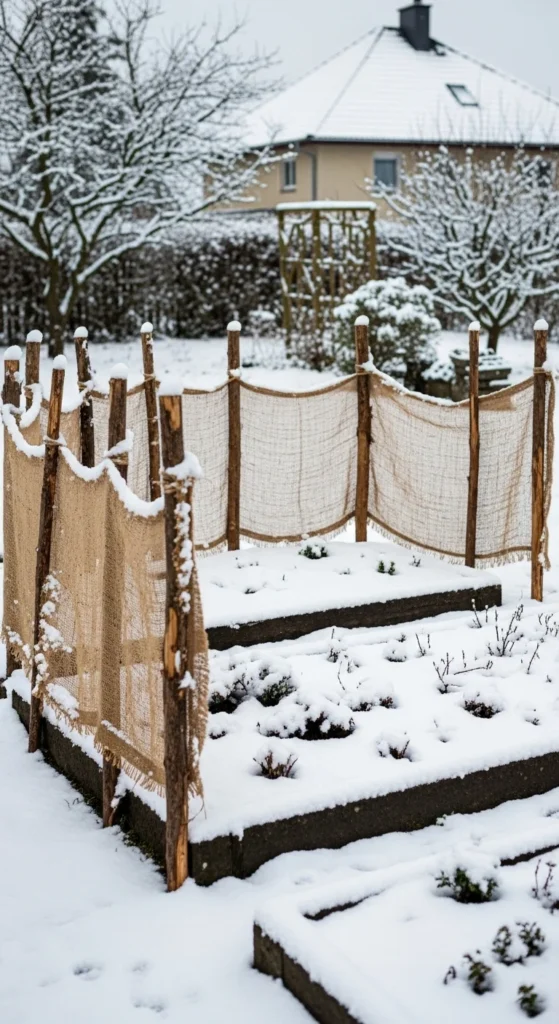
Cold winds can dry out and damage plants. Use burlap, lattice panels, or even old doors to form a barrier on the windward side of your garden. For tall plants, stake them and tie gently to prevent snapping during strong gusts.
9. Raise Garden Beds for Better Drainage
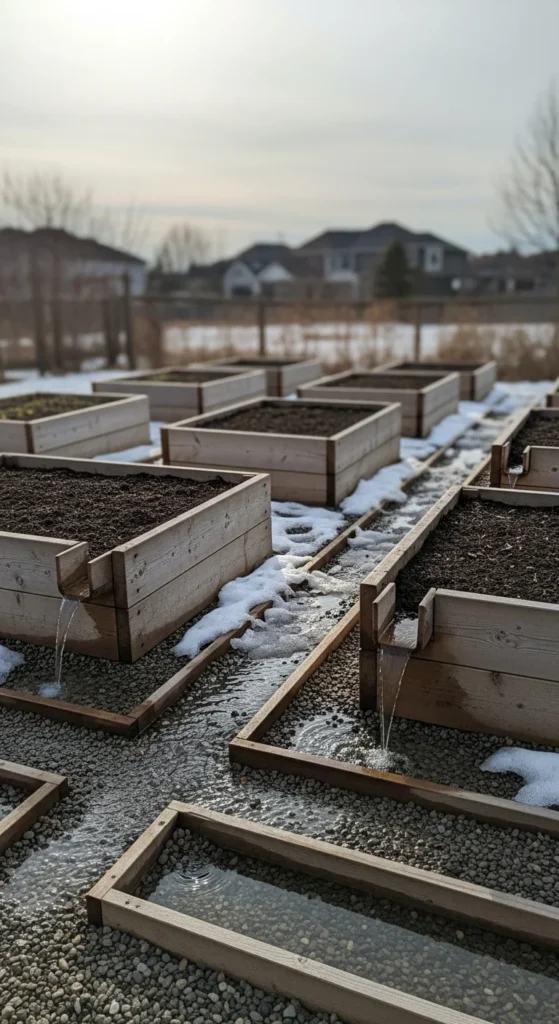
Poor drainage can lead to frozen, soggy roots. Elevate garden beds with well-draining soil or add gravel at the base. Raised beds warm up faster in spring too. If you already have them, top up the soil to maintain depth and insulation.
10. Cover the Ground with Leaves

Instead of bagging leaves, spread them over flower beds as insulation. They protect soil organisms and trap warmth. Shred them using your mower so they decompose faster. It’s an easy, no-cost way to protect and enrich your soil through the season.
11. Move Tender Bulbs Indoors
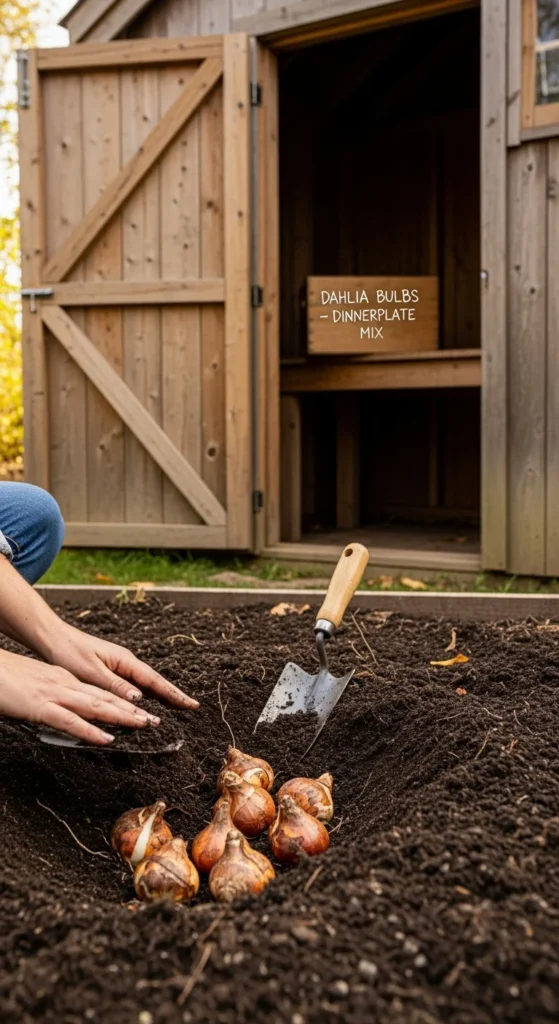
Tender bulbs like dahlias and gladiolus can’t handle frost. Dig them up after the foliage dies back and store them in a cool, dry place. Pack them in boxes with sawdust or peat moss to prevent rot. Check monthly to make sure they stay dry.
12. Group Containers Together
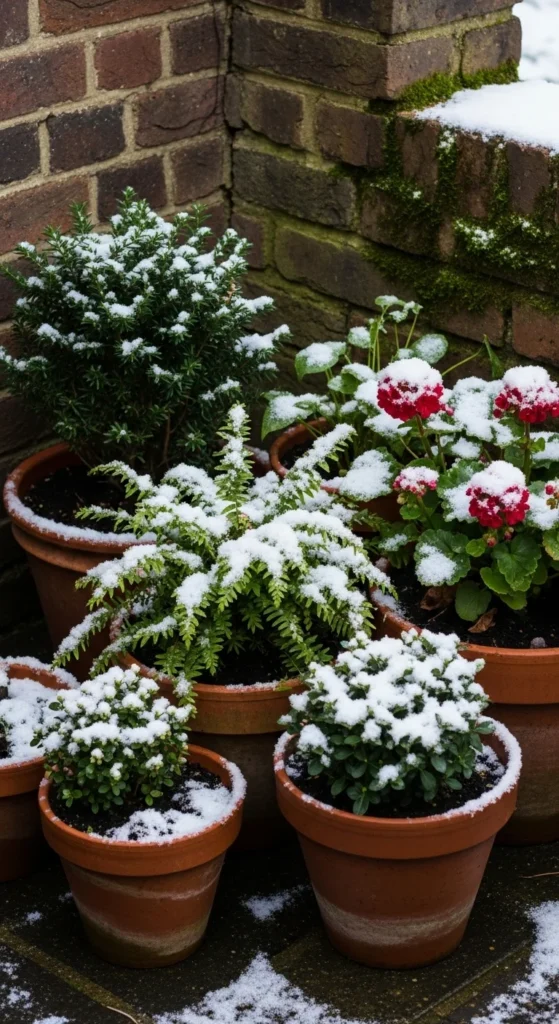
Grouping pots helps them share heat and reduces exposure. Place them on wooden pallets or bricks to prevent direct contact with frozen ground. Wrap the cluster with burlap or tarp for extra insulation. This setup keeps root temperatures steadier.
13. Protect Tree Trunks

Young trees are vulnerable to sunscald and frost cracks. Wrap trunks with tree guards or white cloth strips to reflect sunlight and reduce damage. Keep wraps loose so moisture doesn’t build up underneath.
14. Avoid Overfertilizing in Late Fall
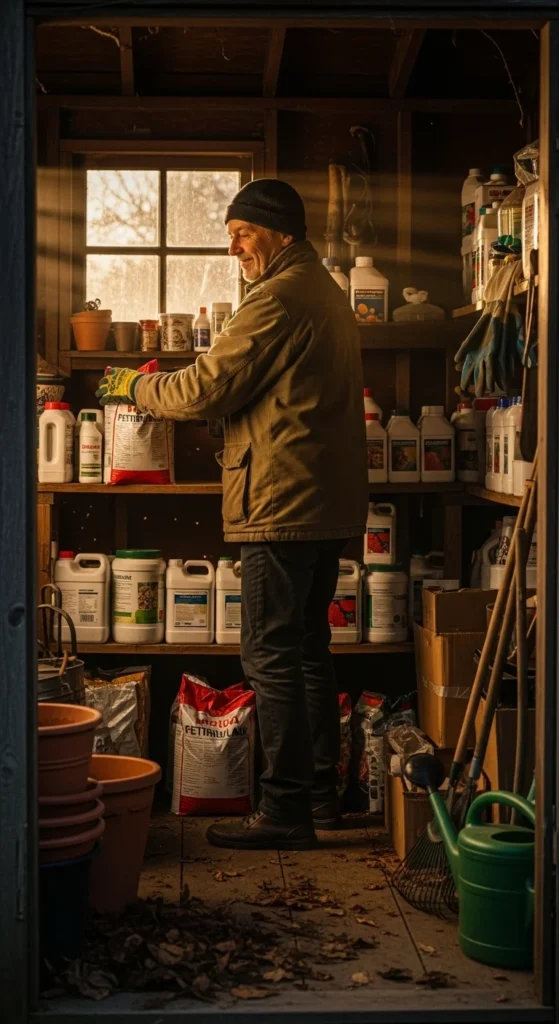
Fertilizing too late encourages new growth that freezes easily. Stop feeding about six weeks before your area’s first frost date. This lets plants harden off naturally and focus on storing energy for spring.
15. Insulate with Straw Bales
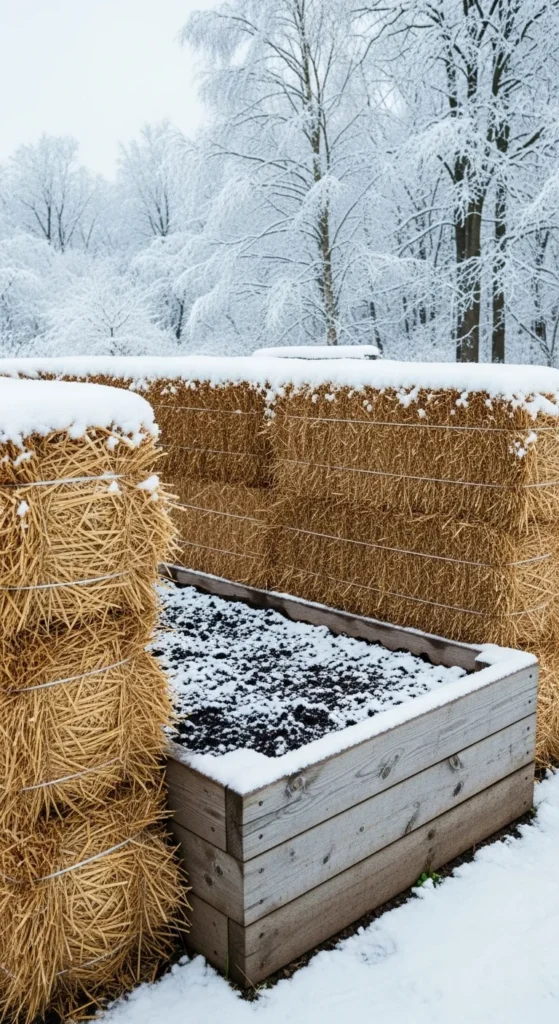
Straw bales are excellent insulators. Surround raised beds or cold frames with them to block wind and hold heat. You can even reuse the straw in spring as mulch or compost material.
16. Use Cold Frames for Hardy Greens
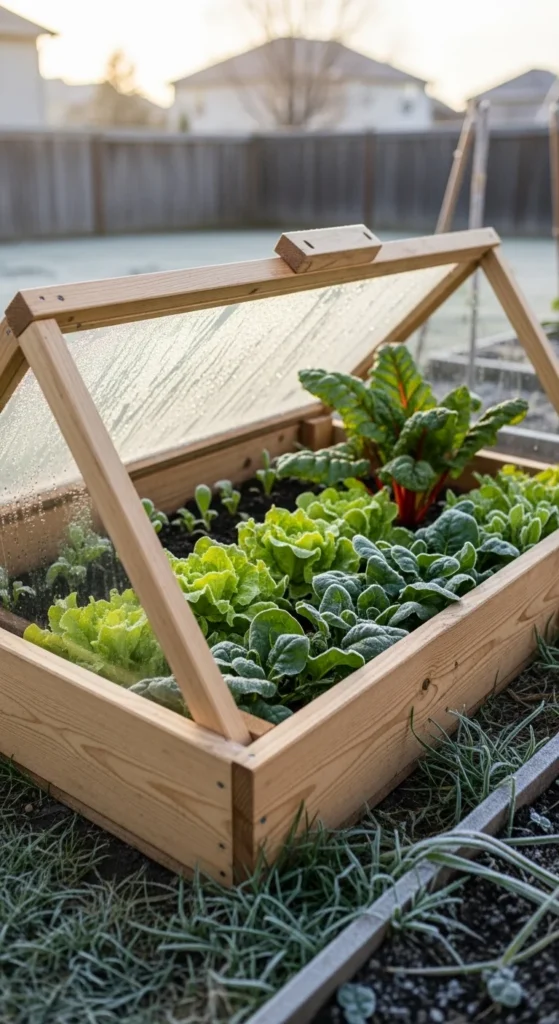
Cold frames act like mini greenhouses. Use them to keep kale, spinach, and lettuce producing longer. Build one from scrap wood and an old windowpane—cheap and effective. Vent it occasionally to prevent mold buildup.
17. Drain and Store Garden Hoses

Water left in hoses can freeze and crack the material. Drain them fully, coil neatly, and store indoors. This simple habit extends hose life and prevents costly replacements in spring.
18. Label Dormant Plants
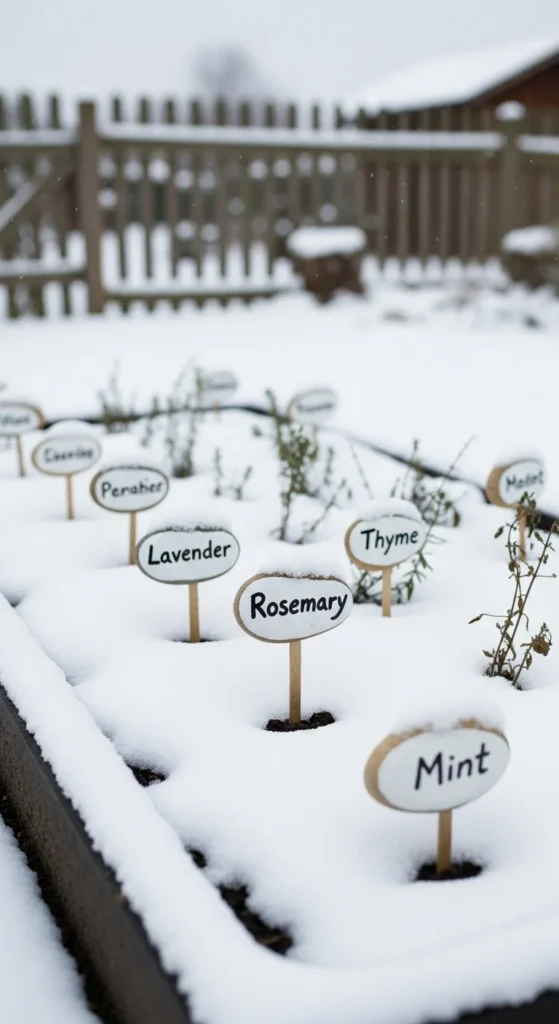
When everything dies back, it’s easy to forget what’s planted where. Use weatherproof labels or painted stones to mark plant spots. You’ll avoid disturbing dormant roots when replanting or cleaning up in early spring.
19. Keep Wildlife Away
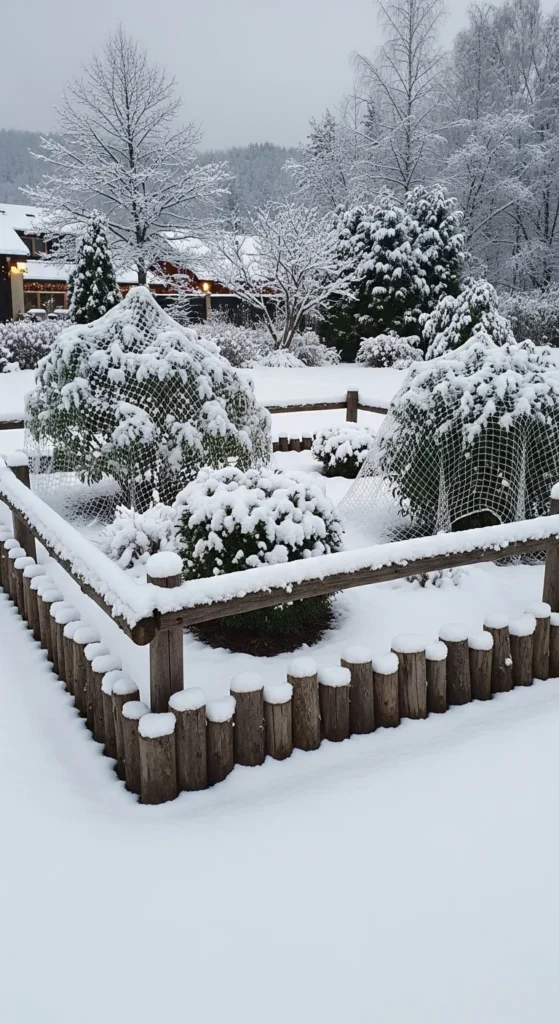
Deer and rabbits often nibble bark and twigs in winter. Use mesh fencing, netting, or repellent sprays to keep them at bay. Placing thorny branches around beds can also deter pests affordably.
20. Bring Herbs to the Kitchen
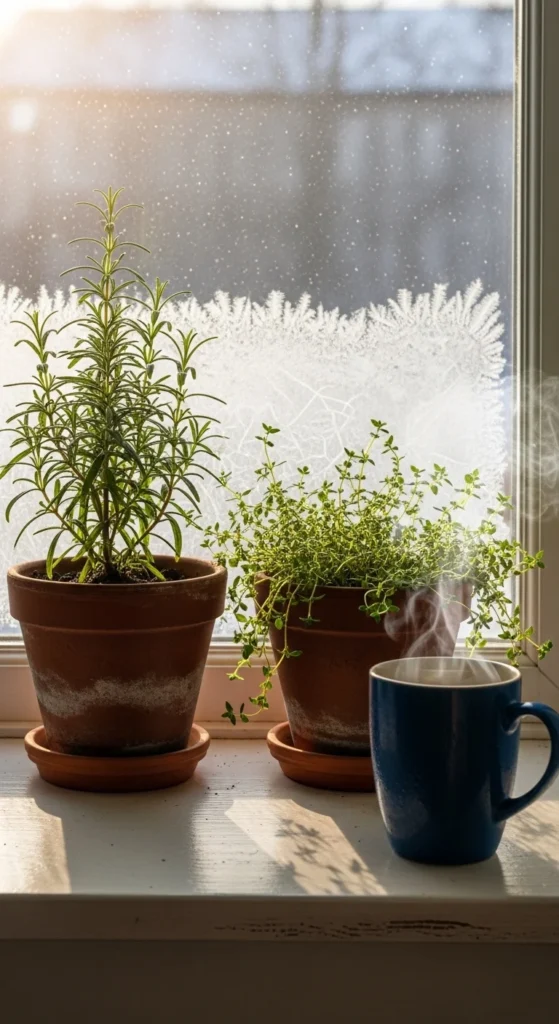
Snip your favorite herbs before frost and replant them indoors. They’ll keep growing with sunlight and regular watering. This way, you’ll enjoy fresh flavor in meals while keeping plants alive for spring replanting.
21. Build a Mini Greenhouse
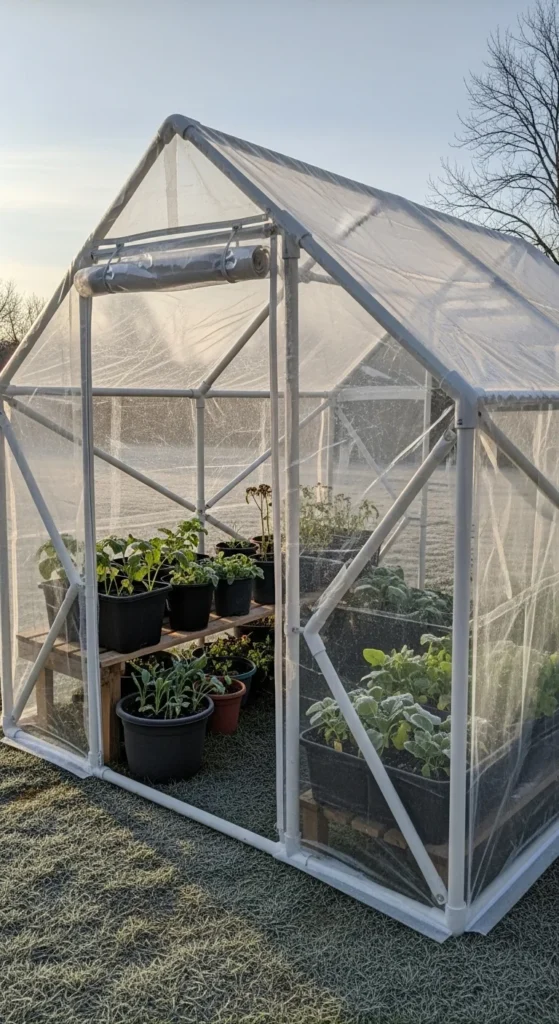
You can easily make a mini greenhouse with a few PVC pipes and clear plastic. Set it over a small bed or cluster of pots. It traps warmth and protects against frost, giving plants a fighting chance through the season.
22. Keep Snow as Insulation
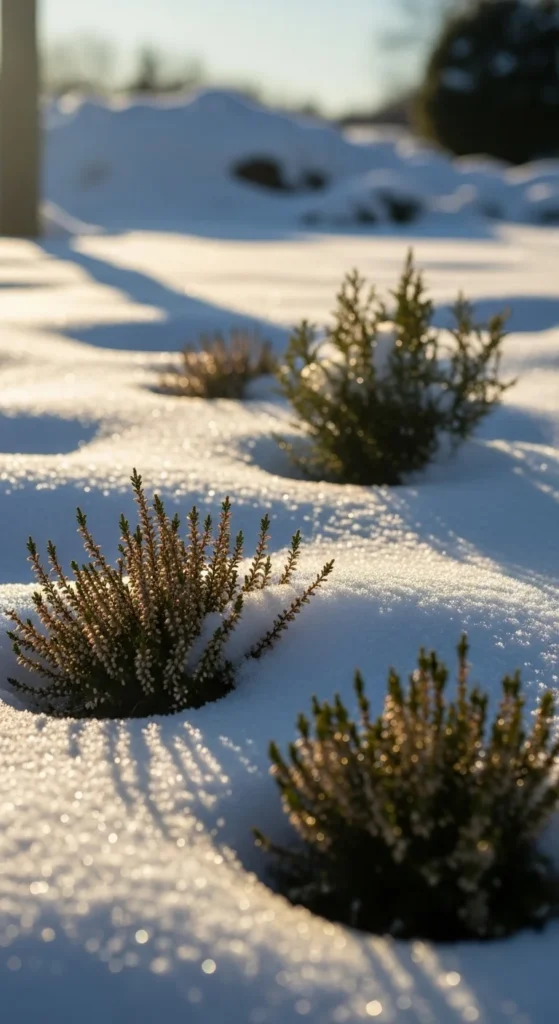
Snow actually insulates plants by trapping air and moisture. Don’t brush it off unless it’s heavy enough to break branches. Light, fluffy snow keeps the soil warmer and protects dormant roots until thaw.
Conclusion
Winter doesn’t have to mean losing your garden’s progress. With these 22 practical tricks, you can help every plant—from potted herbs to tall shrubs—make it safely through freezing weather. A bit of planning now leads to stronger growth and fewer losses later. Prepare your garden once, and you’ll step into spring ready to plant again with confidence and peace of mind.

Leave a Reply